
Core Concept: Laser Hair Removal vs Tattooing
Permanence and results: hair reduction vs pigment retention
Core Concept: Laser Hair Removal vs Tattooing Permanence anchors this section. In a culture that cherishes lasting signals, the fate of hair and pigment feels intimate and existential. The question lingers: “is laser hair removal like getting a tattoo”—and the answer, perhaps, is not, yet both pursuits hinge on how we measure permanence—one erases, the other endures in color and form.
Hair reduction from laser works as a tide: over sessions, hair returns less densely, while pigment in tattooed skin remains anchored in place. I feel the difference in the reflection: the result is not the same stroke of art; it’s a shift in future visibility rather than a fixed scene.
- Hair reduction is gradual and partly reversible with future hormonal or ageing changes.
- Tattoo pigment remains, influencing how light interacts with skin over time.
- Laser intensity and pigment responses vary by skin type and location.
Procedure differences: what happens during treatment
Across South Africa, clinics report a surge in long-term beauty rituals, with up to 40% of clients choosing laser therapies for smoother skin that endures. The question within many conversations is “is laser hair removal like getting a tattoo”—and the answer feels more nuanced than a simple yes or no.
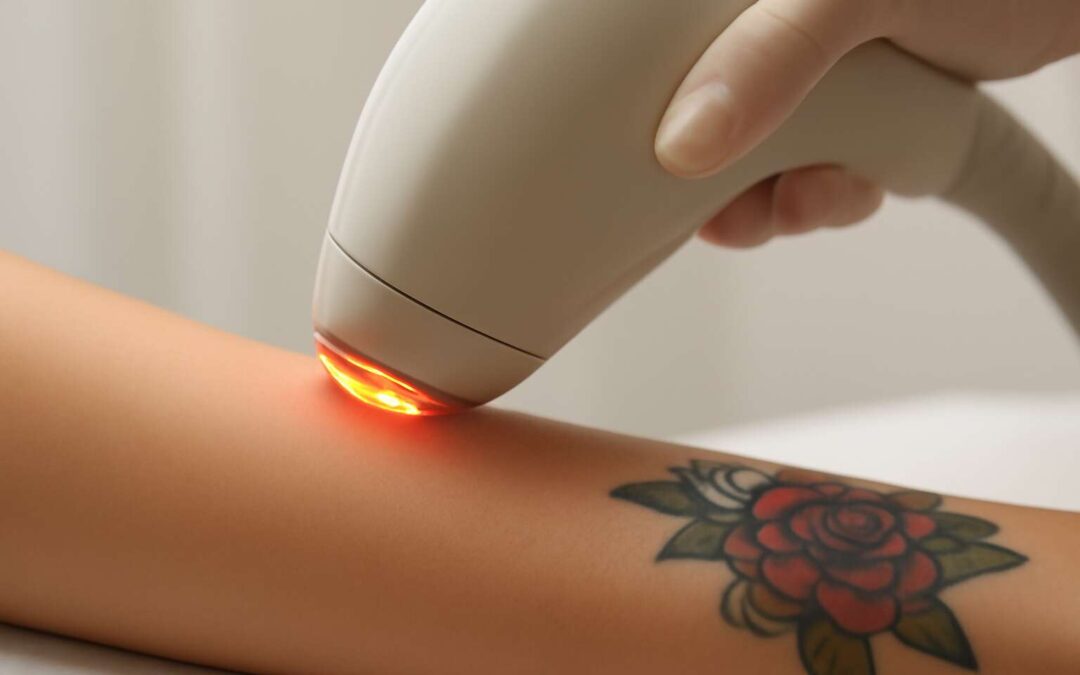
During treatment, a chilled applicator delivers focused light to the hair follicles, heating them and halting growth without any skin puncture. Unlike tattooing, no pigment is deposited; the aim is to curtail future hair, not to stamp a color or image. The experience is brisk and deliberately clinical, a modern ritual that reshapes visibility over time rather than engraving a scene in color!
- Method contrasts: light pulses target follicles rather than inks settling into the dermis
- Temporal effect: gradual reduction versus a fixed, enduring mark
- Cadence: multiple sessions over weeks rather than a single, permanent sitting
Pain and sensation: comparing experiences
Across clinic rooms and glossy studios, the question lingers: is laser hair removal like getting a tattoo? The answer wears a gentler mask: a fleeting warmth, a cooling whisper, and no pigment left behind. It feels more like a precise, controlled spark than a needle’s long conversation with the skin, a modern rite of smoothing rather than stamping a scene.
Is laser hair removal like getting a tattoo? The sensation tends to be brief and manageable for most people, with sensitivity varying by area and skin type.
- A quick heat pulse with a chilling breeze—brief, and over before you notice.
- Tattooing, by contrast, can be a longer, deeper sting that sits in the skin for hours or days.
- Post-session redness fades quickly; the memory of the moment lingers only as a glow.
Healing and aftercare: post treatment expectations
Bold, efficient, and discreet—this is how many describe post-treatment results in SA clinics. A common question: is laser hair removal like getting a tattoo? The answer leans gentle: heat pulses fade fast, and the skin returns to its usual tone with only a soft glow to show for it.
- Brief warmth and redness
- No pigment; no scarring
- Glow fades quickly
Healing is a brief, practical matter. You may notice mild redness or warmth for a day or two, but pigment is not deposited and there are no lasting marks.
In the end, the healing vibe is modern, not ceremonial. The quiet glow fades, and the treated skin resumes its everyday rhythm—faster than a tattoo’s aftercare saga.
Safety, Risks, and Skin Health
Common side effects and how long they last
In South Africa, laser clinics uphold rigorous safety standards, from calibrated machines to skilled operators. People often ask, “is laser hair removal like getting a tattoo,” because questions about marking and permanence linger. The reality centers on controlled energy delivery and individualized skin assessment.
- Redness and swelling (usually a few hours to a day)
- Temporary pigment changes (weeks to months)
- Rare blistering or scabbing (short-lived)
Most people recover quickly, while serious adverse events are uncommon. The skin’s health care team monitors for any unusual reactions and ensures the treatment remains within safe limits.
In South Africa’s diverse skin tones, providers tailor energy settings to protect pigmentation and texture, a reminder that safety never rests. The emphasis remains on follicle disruption rather than surface marks, with ongoing evaluation to preserve skin health alongside effectiveness.
Who should avoid each treatment
Safety in South Africa’s laser clinics rests on calibrated machines, regular maintenance, and highly trained operators. Eye protection, cooling systems, and a patch test before treatment are standard. People often ask, is laser hair removal like getting a tattoo, but the goal is selective follicle disruption with controlled energy, not surface marking.
Risks are generally mild: redness, swelling, and temporary pigment changes. In rare cases, blistering or scabbing can occur, but serious adverse events remain uncommon when performed by qualified staff.
Skin health is monitored throughout treatment. For South Africa’s diverse skin tones, clinicians tailor energy to protect pigmentation and texture, with ongoing evaluation to preserve health alongside effectiveness. Sun exposure and post-treatment care are part of the plan.
Choosing a licensed professional and clinic safety
Safety in South Africa’s laser clinics rests on calibrated machines, regular maintenance, and highly trained operators. Eye protection, cooling systems, and a patch test are standard. People sometimes ask is laser hair removal like getting a tattoo, but the aim is selective follicle disruption with controlled energy, not surface marking.
Risks are generally mild: redness, swelling, and temporary pigment changes. In rare cases blistering or scabbing can occur, but serious events remain uncommon when treated by qualified staff.
- Patch testing as standard practice
- Calibrated equipment and licensed operators
- Cooling measures and sun protection as part of aftercare
Skin health is monitored throughout treatment. For South Africa’s diverse skin tones, clinicians tailor energy to protect pigmentation and texture, with ongoing evaluation to preserve health and effectiveness. Sun exposure and post-treatment care are part of the plan.
Pre-treatment preparation and skin typing considerations
Some ask, is laser hair removal like getting a tattoo. The truth is more clinical than cryptic: we target follicles with controlled energy, leaving the surface untouched, not a mark to show off. Safety in SA clinics hinges on calibrated machines and licensed operators.
Risks are typically mild—redness, swelling, occasional pigment shifts—and uncommon when performed by qualified staff.
- Avoid tanning and sun exposure for a few weeks before treatment.
- Disclose medications that increase photosensitivity or affect healing.
- Adhere to cooling protocols and aftercare to minimise downtime.
Skin health and pre-treatment: In South Africa’s diverse tones, clinicians tailor energy to protect pigmentation and texture, with skin-typing guiding settings. Pre-treatment prep includes sun-smart routines and a careful assessment of skin tone to ensure safe, effective hair reduction while respecting the body’s unique canvas.
Cost, Time, and Accessibility
Price per session and total cost expectations
Costs, naturally, aren’t a mere footnote. To borrow a SA quip: “Patience pays in both pigment and price.” When you ask is laser hair removal like getting a tattoo, the answer is nuanced: both demand budgeting, but the outlay for laser depends on area and scale. In South Africa, per-session prices typically range from about R800 to R3,000, with a full course often landing between R5,000 and R20,000. The math feels like a black-tie event—necessary, memorable, and worth a plan.
- Size of the treated area (back, legs, bikini, etc.)
- Number of sessions or bundled packages
- Device technology and practitioner expertise
- Clinic location and aftercare add-ons
Time matters: sessions take 15–60 minutes, and total duration hinges on hair density and growth cycles. Many South Africans complete a course within months if cadence stays steady.
Accessibility follows suit: urban clinics are plentiful, rural access may require travel, and some providers offer financing or packages to ease upfront costs—keeping laser hair removal within reach for professionals and students alike.
Session duration and number of visits
Cost, perhaps the most unromantic yet indispensable part of the conversation, behaves like attendance at a ceremonial dinner—you end up paying for what you want to remember. In South Africa, per-session prices commonly hover between R800 and R3,000, with a full course between roughly R5,000 and R20,000. That is a substantial commitment; is laser hair removal like getting a tattoo?
Time matters: sessions take 15–60 minutes, and the total duration hinges on hair density and growth cycles. Most courses run 6 to 8 sessions and are completed over several months if cadence stays steady.
Accessibility follows suit: urban clinics are plentiful, rural access may require travel, and some providers offer financing or packages to ease upfront costs—keeping laser hair removal within reach for professionals and students alike.
- Financing options
- Package deals
- Travel to urban centers
Financing options and insurance coverage myths
In South Africa, cosmetic laser adoption is on the rise, signaling that long-term grooming can be a smart budget decision. Many readers ask, is laser hair removal like getting a tattoo? It’s less about ink and more about time and value, a consideration that expands beyond a single appointment.
Time-wise, sessions are short, but a full course unfolds across months as hair cycles cycle through growth phases. A handful of visits, scheduled thoughtfully, builds toward lasting smoothness.
Accessibility and financing shape who can participate. Urban clinics offer the most options; rural residents may travel or wait for outreach. Package deals and financing plans help spread the cost, while insurance coverage myths persist: most medical aid plans do not cover purely cosmetic lasers unless a qualifying medical condition is present.
- Package deals
- Clinic financing
- Travel to urban centers
At-home vs clinic-based options
In South Africa, demand for cosmetic laser treatments has surged by nearly 30% over the past year, turning long-term grooming into a budget-smart decision. That shift makes cost, access, and the rhythm of treatment feel more like a plan than a one-off event.
Some readers ask, is laser hair removal like getting a tattoo, but the answer hinges on time more than ink: a course of sessions across months yields lasting smoothness.
Accessibility is uneven: urban clinics offer the most options, while rural residents may travel to peri-urban centers or wait for outreach programs. Many clients turn the commute into a budgeting exercise, valuing time as currency.
- At-home devices offer convenience but lower intensity and may require more frequent sessions.
- Clinic-based lasers deliver higher energy with professional safety oversight for faster, more reliable results.
- Hybrid approaches mix local travel windows with at-home maintenance to spread the cost and time.
What to Expect: Real Experience and Research
Myth-busting: common misconceptions
Seven in ten South Africans want smoother skin year round, and laser clinics report a surge in inquiries. Is laser hair removal like getting a tattoo? The answer depends on technique and realistic expectations. Real experiences vary: most people notice gradual reduction, less regrowth, and only brief downtime, with results unfolding over weeks rather than minutes.
Reality check from research: it isn’t a guaranteed, tattoo-like permanent. A client recently observed that progress comes in stages rather than a single moment. With a professional assessment and individualized settings, expectations align with your skin tone and hair color, clarifying what results you can truly anticipate.
What does credible research say about permanence and safety
Across South Africa, people approach laser hair removal with a blend of curiosity and patience. Some ask, is laser hair removal like getting a tattoo? The answer is nuanced: permanence isn’t tattoo-like, and outcomes hinge on device type, skin tone, and hair color. Credible research supports long-term hair reduction when sessions are tailored to the individual, with realistic timelines and modest expectations. Safety, when performed by a licensed professional using approved equipment, remains the cornerstone of a positive experience, and downtime is typically brief.
Real experiences reinforce the science: you’ll notice gradual reduction and gentler regrowth as weeks pass, not a single moment of change. A professional assessment helps tailor a plan to your skin tone and hair color, clarifying what’s realistically achievable.
- Individual variability in response based on pigment and hair texture
- Safety profiles stay strong when clinics follow device guidelines
- Visible changes tend to appear across several sessions rather than all at once
Patient experiences: testimonials and case studies
Across South Africa, real people share their journeys with laser hair removal, and the stories feel more like patient-led rituals than cosmetic fireworks. Many clients ask, is laser hair removal like getting a tattoo, and the answer is nuanced: results arrive gradually, influenced by device type, skin tone, and hair color. Case studies from Cape Town to Durban show long-term hair reduction when sessions are tailored to the individual, with realistic timelines and modest expectations. A Johannesburg client notes the week-to-week difference!
- Gradual reduction across several sessions rather than a single moment
- Visible changes accumulate over weeks with gentler regrowth
- Testimonials align with credible research: safety hinges on licensed professionals
Real experiences echo scientific observations: outcomes vary by pigment and hair texture, and safety remains strongest when clinics adhere to device guidelines and professional standards.
Questions to ask during a consult
Results in laser hair removal unfold like a sunrise—gradual, layered, and personal. Across South Africa, most clients notice changes after 4 to 6 sessions rather than a single moment. The question many ask—is laser hair removal like getting a tattoo?—is answered by process: outcomes hinge on device type, skin tone, and hair color, with timelines that honor individuality.
During a consult, consider these questions to illuminate the journey:
- Which device type and settings are best for my skin tone and hair color, and how could that shape outcomes?
- What is a realistic timeline for visible changes for my pigment and texture?
- How many sessions are typically needed for meaningful reduction in the target area?
- What licenses, certifications, and safety standards does the clinic uphold for device use and practitioner training?
- Which credible studies or guidelines inform your approach to permanence and safety for my profile?
Patient experiences align with research-based practice.