
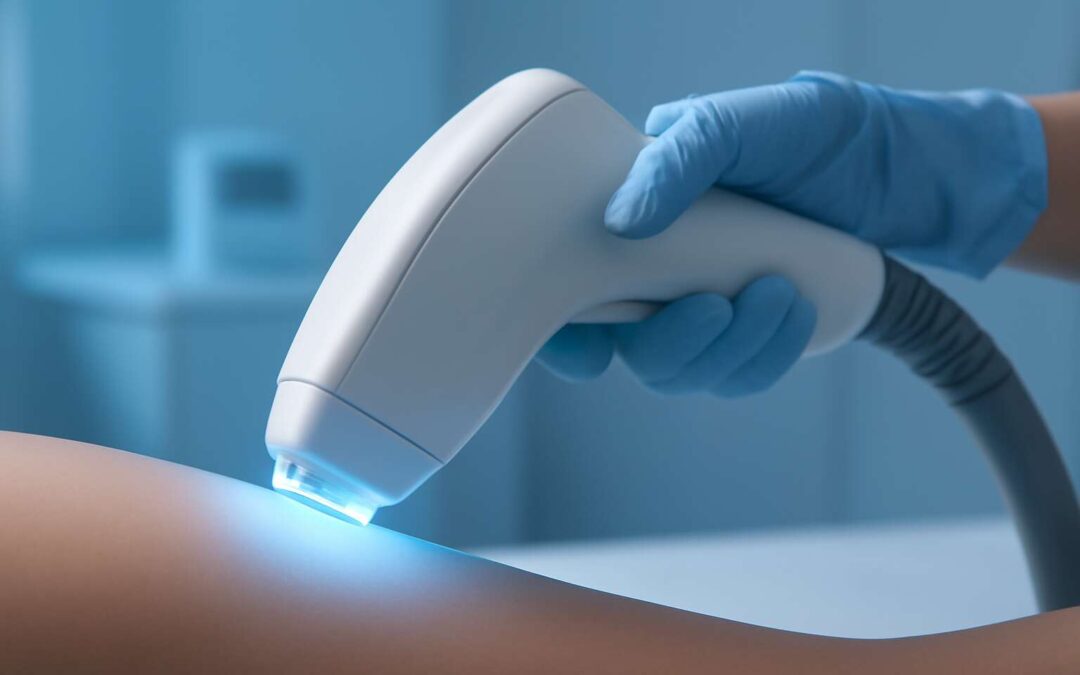
Laser Hair Removal Risks and Considerations: SEO Outline
Section A: Safety Risks and Dermatologic Concerns
The lure of flawless skin can cast a dangerous glow. In South Africa, diverse skin tones and strong sun exposure complicate outcomes. This prompts the question: why is laser hair removal bad for you, given the safety risks and dermatologic concerns that shadow every session?
This moment hides several risks that dermatologists monitor closely:
- Pigment changes such as dark spots
- Risk of burns or scarring if settings are misused
- Eye injury risk if protective measures fail
Device type, skin tone, and sun exposure influence safety, a reminder that there is no one-size-fits-all approach in the room.
Section B: Medical and Contraindications
The medical gatekeepers between vanity and verity guard the doorway to laser hair removal. Section B surveys conditions and medicines that color the risk and the outcome, reminding that not every silhouette of hair bears a safe passport. In South Africa, diverse health histories shape decisions, making screening a ritual as much as precaution.
- Pregnancy or breastfeeding
- Active infections or open wounds in the treatment area
- History of significant scarring or keloids
- Recent isotretinoin use or other photosensitizing medications
So, why is laser hair removal bad for you, when medical contraindications loom? The reserves of safety emerge from careful screening, where medical realities govern the session rather than vanity alone.
Section C: Effectiveness, Expectations, and Alternatives
In South Africa, the lure of smooth skin meets a spectrum of real-world results that shifts with skin tone and hair color. Up to a quarter of clients report outcomes that don’t meet expectations, and a seasoned dermatologist reminds us that no laser guarantees permanence.
Section C anchors reflection on effectiveness, timelines, and alternatives. So, why is laser hair removal bad for you? Because the promise of permanent change collides with biology: you may pay for sessions that yield only partial clearing, while upkeep stretches the budget and the patience.
- Outcomes depend on hair color and skin type
- Costs accrue across multiple sessions and maintenance
- Non-laser options carry their own trade-offs
Contemplating these factors invites a deeper reckoning with desire, identity, and time.
Section D: Economic, Accessibility, and Practical Considerations
In South Africa, clinics gleam with promises of velvet-smooth skin, yet the price tag often hums softly in the background. This section peers at the economic and practical underside of choice: why is laser hair removal bad for you, not through dramatic harm but via timelines, access, and ongoing costs that stretch beyond a single session.
- Cost variability across clinics, treatment plans, and travel between cities
- Urban versus rural access: fewer providers and longer gaps in follow-up for some communities
- Scheduling realities: clinic hours, time off work, and the footprint of repeated appointments
These factors don’t just whisper; they shape the lived experience, turning longing into a negotiation of time, money, and space within one’s daily life.