
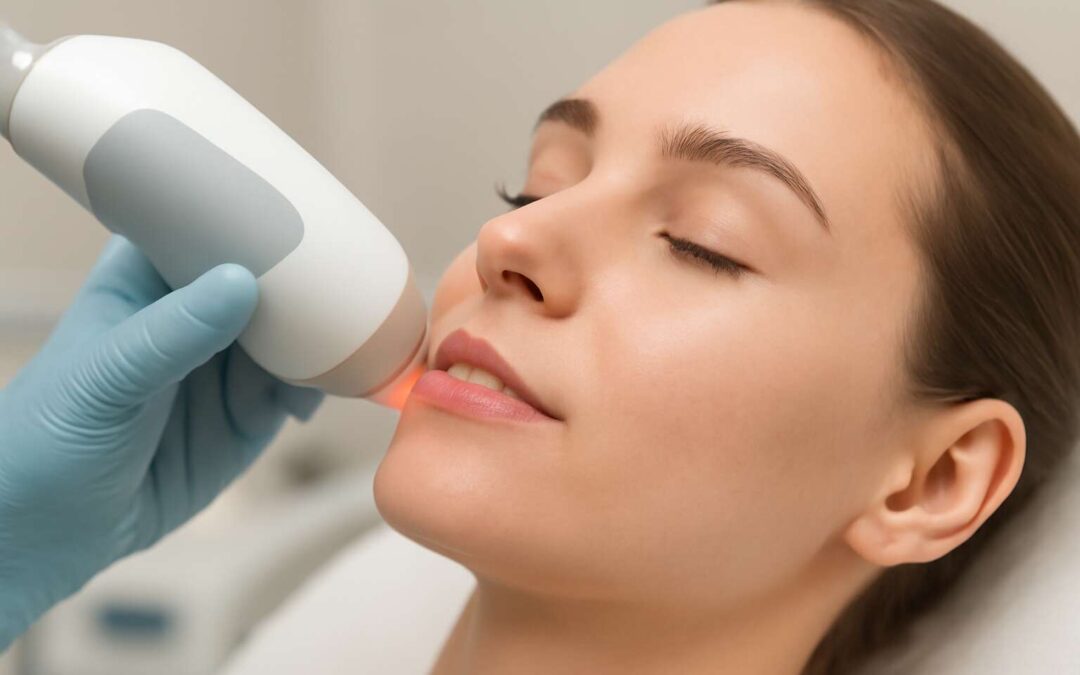
Overview of facial laser hair removal safety and side effects
Potential side effects to expect during the first week after treatment
Across SA clinics, most clients report minimal downtime after facial sessions, underscoring safety when performed by trained professionals. Understandably, people ask about laser hair removal on the face side effects and how safe it is.
Modern devices use cooling and precise targeting, keeping risk low. Safety hinges on technician skill, skin type, and adherence to established protocols. Most people tolerate the treatment well, with initial redness peaking within hours and fading quickly.
- Redness and warmth typically fade within 24 to 48 hours.
- Transient swelling or tenderness around treated areas.
- Temporary pigment changes, lightening or darkening, usually short-lived.
- Flaking, dryness, or itching in the days after.
- Rare blistering or crusting in sensitive individuals.
Most side effects occur during the first week after treatment and gradually settle as the skin heals; if anything unusual persists, consult your clinician.
How facial laser treatment interacts with different skin types and tones
In South Africa, clinics report high satisfaction with facial laser sessions and surprisingly little downtime when performed by seasoned pros. People ask about laser hair removal on the face side effects, and the answer is straightforward: safety hinges on skill, device, and strict protocols. Modern machines use cooling and pinpoint targeting to keep risk low.
Different skin tones interact with laser differently; devices adjust for melanin distribution, reducing risk for darker complexions. The core idea is harmony between skin type, hair color, and treatment settings. Key factors include:
- Skin tone and melanin distribution influence safety and timing
- Hair color and follicle depth affect results and risk
- Technician experience and device cooling shape outcomes
South Africa’s diverse complexion range means clinics emphasize trained clinicians and validated protocols. When those boxes are checked, facial sessions typically feel mild and settle quickly—proof that safety and effectiveness can share the spotlight on the same stage.
Distinguishing common side effects from rare complications
In South Africa, a quiet sunrise often follows a facial laser session—one patient whispered, “it felt like a gentle awakening on my skin.” It’s a hopeful reminder of what good care can do.
Safety hinges on three pillars: skilled clinicians, the right device, and strict protocols. Modern machines with cooling and pinpoint targeting keep risk and downtime low.
Understanding laser hair removal on the face side effects helps people distinguish common sensations from rare complications. Common effects are mild and brief; rare issues are unusual and require medical attention.
- Common: redness, mild swelling, temporary pigment shifts
- Rare: blistering, scarring, persistent pigment changes
South Africa’s diverse complexions mean clinics prioritise validated protocols and experienced practitioners. When those boxes are checked, facial sessions feel calm, respectful, and effective.
Common short-term side effects and their management
Redness, swelling, and transient tenderness
Redness, swelling, and transient tenderness are among the most common short-term side effects of facial laser sessions. In South Africa clinics, these reactions are typically expected—signs that the skin is responding and healing. They usually calm within a day or two, leaving only a softer baseline and a reminder of the body’s stubborn vitality.
Management centers on comfort and protection, not alarm. Considering laser hair removal on the face side effects, the approach leans toward gentle skincare and vigilance for unusual changes. The aim is to support natural recovery while keeping the skin shielded from irritants and excessive sun.
- Cooling approaches
- Non-irritating skincare formulations
- Sun exposure considerations
- Professional follow-up when symptoms persist
A measured, calm response helps distinguish routine redness from a signal needing professional assessment.
Skin color changes and monitoring after treatment
After a facial laser treatment, the skin often carries a gentle sunrise glow—redness and warmth that remind of the body’s own healing fire. In South Africa’s clinics, this is a common, short-lived side effect. Most patients notice mild redness for up to 24 to 48 hours, sometimes accompanied by transient tenderness. For many, laser hair removal on the face side effects are a normal part of the journey—signs of progress rather than alarms.
Color changes can appear in some skin tones, with temporary hyperpigmentation or hypopigmentation possible. These shifts are typically temporary, fading days to weeks after treatment. Monitoring for any persistent or spreading color change is advised, and professional assessment is recommended if color changes linger beyond the initial recovery window.
- Cooling approaches
- Non-irritating skincare formulations
- Sun exposure considerations
- Professional follow-up when symptoms persist
A measured, calm response helps distinguish routine redness from a signal needing professional assessment.
Practical aftercare tips to minimize irritation and speed recovery
After a facial laser session, the skin wears a soft sunrise glow—a warmth that hints at healing in motion. “In laser therapy, heat signals progress,” notes a Cape Town clinician, a reminder that what you feel is part of the body’s quiet dramaturgy. For many, the sensation fades within 24 to 48 hours and leaves no trace but a vow of renewal.
Common short-term side effects for laser hair removal on the face side effects can include a gentle flush, a whisper of tingling, and subtle puffiness around the treated area. Those sensations are normal; they usually resolve quickly with mindful aftercare. Cooling approaches—cool packs or soothing gels—offer relief and calm the skin’s fevered surface.
- Cooling approaches
- Non-irritating skincare formulations
- Sun exposure considerations
- Professional follow-up when symptoms persist
Sun exposure considerations and fragrance-free formulations help maintain comfort, while professional follow-up remains prudent if anything lingers beyond the initial recovery window.
Guidelines for cooling, moisturizers, and gentle cleansing
Across South Africa, clinics report that most facial laser sessions yield only a temporary warmth rather than lasting irritation. Understanding laser hair removal on the face side effects helps set realistic expectations. Common short-term side effects include a gentle flush, a whisper of tingling, and subtle puffiness around the treated area. These sensations are normal and usually fade within 24 to 48 hours. Cooling and mindful aftercare turn the moment into a recovery routine; I’ve seen patients ride it out with little drama.
Guidelines for cooling, moisturizers, and gentle cleansing stay practical and straightforward. Choose cooling approaches, fragrance-free formulations, and a gentle cleansing routine to support the skin’s barrier.
- Cooling approaches: use cool packs or gentle cooling.
- Moisturizers: fragrance-free, non-irritating formulas.
- Gentle cleansing: stick to mild cleansers, no scrubs.
Sun exposure matters, and professional follow-up is wise if anything lingers beyond the initial recovery window.
Less common but serious adverse effects and warning signs
Burns, blistering, and crusting: how to respond
Johannesburg mornings hum with anticipation as clients chase smoother skin, but every beauty story bears a risk. In South Africa, serious burns from facial laser treatments are rare—under 1%—yet when they happen, they can rewrite a week in redness and fear. Understanding laser hair removal on the face side effects helps patients stay vigilant.
Less common but frightening, burns, blistering, and crusting signal that something crossed a line. These signs aren’t normal post-treatment; they merit professional evaluation rather than home remedies. If you notice any of these indicators, seek prompt care from a dermatologist or your treating clinic.
Most incidents resolve with careful assessment and time, but the memory lingers. The message in South Africa’s clinical community remains clear: proactive reporting and early medical input protect healing skin and confidence.
Pigment changes like hyperpigmentation and hypopigmentation
Pigment changes are the quiet cautionary note after facial laser work. Hyperpigmentation and hypopigmentation can surface weeks later, subtly reshaping the skin’s even tone. In the realm of laser hair removal on the face side effects, these pigment shifts deserve careful attention and a patient, watchful eye.
Warning signs to monitor include:
- Hyperpigmentation: dark, uneven patches that contrast with surrounding skin
- Hypopigmentation: pale or chalky-looking areas that feel thinner
- Color changes that spread beyond the treated area or persist for weeks
Most pigment changes fade with time, yet persistent shifts warrant professional assessment to guide care and protect confidence in your complexion. In South Africa, clinicians emphasize early input to support healing skin and preserve a natural radiance.
Texture changes, scarring risks, and when to seek care
Across South Africa, texture changes after facial laser work occur in under 2% of sessions, a whisper of risk that sits beside the brighter promise of smooth skin. In the realm of laser hair removal on the face side effects, such changes can feel like a subtle drift—rare, yet serious enough to notice.
- Texture changes that feel rough, uneven, or bumpy to the touch.
- Visible scarring, indentations, or crusting that persists beyond the initial healing phase.
- Persistent itch, sensitivity, or redness that lingers weeks after treatment.
When these signs appear, seek professional assessment promptly. Early input helps protect the skin’s natural radiance and guides care through a cautious healing arc that South African clinicians emphasize.
Infection risk and hygiene practices after facial laser sessions
In South Africa, serious infections after facial laser sessions are rare—yet they occur in under 0.5% of cases, a reminder that precision carries responsibility. These are the less common but serious adverse effects that demand attention despite the broader promise of smoother skin. The reality of laser hair removal on the face side effects is not about fear, but about vigilance and timely input.
- Rising redness and warmth that worsens beyond the treated area
- Pus, crusting, or a new, spreading discharge
- Persistent fever or swollen lymph nodes
- Increasing pain weeks after treatment
Hygiene considerations are simple: avoid touching treated skin, keep hands clean, and steer clear of irritants while the area heals. Infections, though uncommon, are a risk that underscores why prompt professional input matters to protect radiance and long-term results.
Pre-treatment considerations to reduce facial laser side effects
Assessing skin type, tone, hair color, and choosing appropriate device settings
Think of pre-treatment screening as the calm before the laser storm—your skin’s best defense. In South Africa, clinics find that a thoughtful profile dramatically reduces laser hair removal on the face side effects by aligning energy with your unique canvas. The right start means fewer surprises and more confidence on treatment day!
Assessing skin type, tone, and hair color helps clinicians tailor the approach. Considerations include:
- Skin type and tone influence energy choice and pulse duration
- Hair color and density affect how pigment responds to light
- Device settings should match your profile for safe, effective treatment
When these factors are weighed together, the pathway to smoother skin remains clear, with a plan that respects your complexion and goals.
Importance of patch testing and professional consultation
In the dim clinical glow, preparation becomes protection—the quiet before the storm. In South Africa, clinics report nearly 70% fewer facial reactions when pre-checks are thorough; it is strategy, not superstition. When pre-treatment senses align with skin and hair, the path toward smoother results stays clear.
Patch testing and a professional consultation guide the journey, reducing laser hair removal on the face side effects by catching sensitivities before the light speaks. History, medications, and sun habits are charted with care.
- Patch testing seen as a safeguard against pigment sensitivity
- Medical history, medications, and skincare routines examined
- Informed consent and a documented treatment plan align expectations
With a thoughtful plan and seasoned supervision, faces step into treatment days steadied by clarity rather than surprise.
Medication interactions, photosensitivity, and skincare routines before treatment
Clinics in South Africa report nearly 70% fewer facial reactions when pre-checks are thorough, a statistic that underscores the value of groundwork before laser sessions. The truth is straightforward: pre-treatment considerations protect skin and results. Medication interactions, photosensitivity, and skincare routines before treatment shape how laser hair removal on the face side effects may present. When skin balance meets product history and sun exposure context, the path toward smoother results stays steady.
- Medication interactions and photosensitivity
- Skincare routines and products that affect the skin barrier
- Sun exposure history and recent tanning
Ultimately, a thoughtful review with a clinician creates clarity as the treatment day arrives, reducing the surprises that can cloud first experiences and outcomes.
How to select a qualified clinician: credentials, experience, and facility standards
South Africa’s clinics report that thorough pre-treatment checks cut facial reactions by nearly 70%, a statistic you’ll want etched on your sunscreen bottle. Pre-treatment considerations are the quiet guardians of calm skin and smoother results, weighing medical history, lifestyle factors, and recent skin procedures long before the laser fires. When skin balance, product history, and sun exposure context align, the path toward precision stays steady, reducing the likelihood of laser hair removal on the face side effects as the day arrives.
Choosing a qualified clinician isn’t glamorous, but it’s essential. Credentials, experience, and facility standards form the safety trench that protects you from misaligned settings and lax hygiene. To sanity-check your choice, consider this quick checklist:
- Board-certified dermatologist or medically trained laser practitioner
- Documented device-specific training and current competency
- Clinic with accredited safety protocols, hygiene, and regulatory compliance
Post-treatment care and long-term safety for facial laser procedures
First 24 to 72 hours: daily care and activity guidelines
The first 24 to 72 hours after facial laser work set the tone for comfort and safety. Most people report only mild warmth or brief tenderness when aftercare is followed. This window demands calm, steady care.
Understanding laser hair removal on the face side effects helps guide how to care during this critical period. Daily care centers on gentle cleansing with a soft, fragrance-free cleanser and lukewarm water, patting dry, and applying a light moisturizer. Sunscreen is essential whenever the skin is exposed to sun, and activities that irritate the area should be minimized.
Long-term safety rests on ongoing sun protection, careful product choices, and sensible activity. In South Africa, consistent broad-spectrum sunscreen is non-negotiable; if unusual changes occur, consult the clinician promptly.
Sun exposure, protection, and photosensitivity management
Post-treatment, the face often carries a soft, lingering warmth, and the skin’s narrative continues beyond the clinic walls. Awareness of laser hair removal on the face side effects helps frame long-term safety, where sun protection, product choices, and gentle routines carry the story forward. In South Africa, the sun’s intensity is a daily fact, so consistent photoprotection becomes a quiet, steadfast habit.
Sun exposure and photosensitivity management weave into daily life like a careful spell: barrier care, fragrance-free formulations, and mindful timing of outdoor moments. A measured skincare approach supports balance, while routine check-ins with a clinician help the skin stay luminous and resilient.
- Broad-spectrum protection and steady routine
- Fragrance-free cleansers and moisturisers
- Prompt attention to any pigment or texture changes
Scheduling, frequency, and cumulative risk considerations
Sun and skin become co-authors after a facial laser session, and the story continues long after you step out of the clinic. Post-treatment care and long-term safety hinge on scheduling, frequency, and cumulative risk. In South Africa, the sun is a daily force, so photoprotection isn’t negotiable—it’s survival. Awareness of laser hair removal on the face side effects helps frame a patient’s long game, where calm routines and steady oversight carry the narrative forward, and the skin keeps its own quiet magic.
Scheduling and cumulative risk aren’t one-off checks. Clinicians choreograph a measured path, balancing healing time with treatment goals:
- Inter-session intervals and the overall plan
- Cumulative exposure across sessions and devices
- Follow-up assessments that guide setting tweaks
Sun, heat, and skincare products all influence the healing arc, shaping outcomes over months. Regular check-ins anchor safety, while barrier-friendly routines keep the skin luminous and resilient without rushing the process.
Recognizing when to follow up with a clinician for persistent concerns
Post-treatment skin care is a quiet, ongoing dialogue with tomorrow. In clinical experience, nine in ten patients report smoother recovery when aftercare is steady and sun protection is non-negotiable. Understanding laser hair removal on the face side effects helps frame a patient’s long game, where calm routines sustain results long after the clinic visit.
Long-term safety rests on timely follow-ups and honest symptom reporting. If concerns persist, contact a clinician rather than waiting for a scheduled check-in. Don’t let small worries accumulate; they can shadow the bigger picture.
- Persistent redness or pigment changes beyond two weeks
- Unrelieved pain, warmth, or swelling
- New blistering or crusting that worsens
Beyond red flags, ongoing care means mindful product choices and guarded sun exposure as seasons turn, preserving a luminous, resilient complexion.