
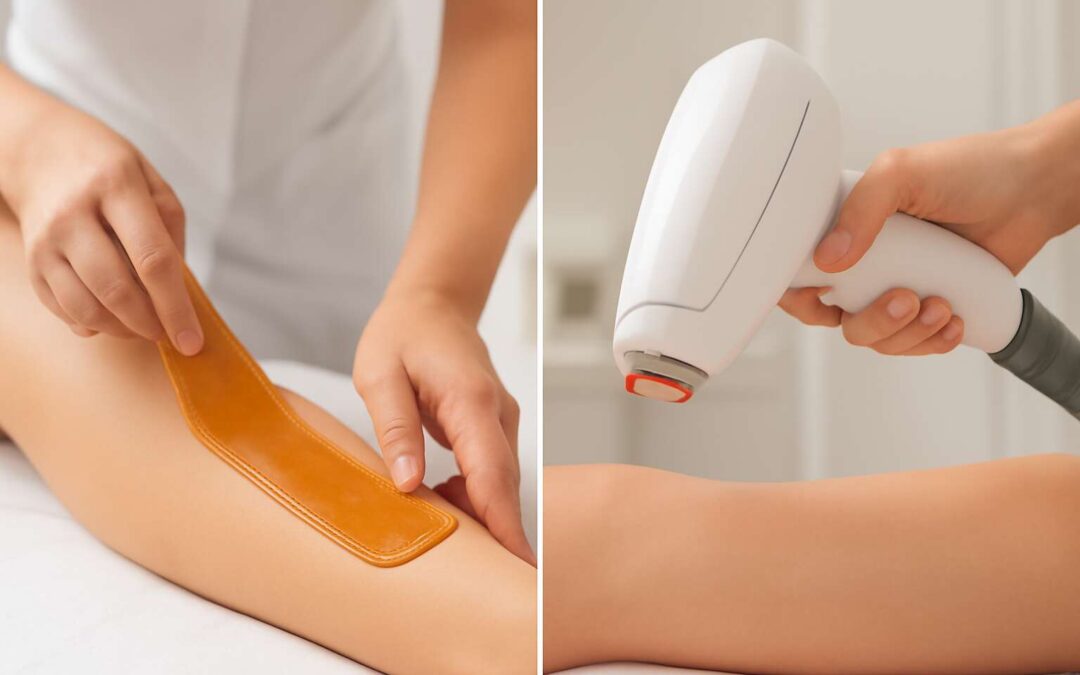
Pain Comparison Overview
Waxing pain profile
Across South Africa, the sting of beauty routines lands differently in the shade of the veld and the glow of town. A recent survey hints that 63% of clients report waxing pains lingering longer than laser sessions, a small heartbreak after a day tending gardens and errands alike.
Pain Comparison Overview: Waxing pain profile. Does waxing or laser hair removal hurt worse? The answer often hinges on pace and area: waxing delivers a sharp, whip-like tug; laser sends a brief heat pulse that fades to a calmer sensation.
- Hair density and texture
- Area treated
- Skin sensitivity
Laser pulses arrive with a quick hiss, leaving a cooler memory for many SA clients, while waxing can sting longer in delicate patches, a reminder that every body feels the storm a little differently.
Laser hair removal pain profile
Across South Africa, one eyebrow-raising stat grabs attention: 63% of clients say waxing pains linger longer than laser sessions. Readers often ask: does waxing or laser hair removal hurt worse? The response dances with context—treatment area, skin type, and pace, not a single magic number.
Laser hair removal pain profile tends to be a brisk, transient sensation: a heat ping that lands and recedes before the next pulse. The memory is cooler for many SA clients, a welcome post-pulse lull after each shot of progress.
- Hair density and texture
- Area treated
- Skin sensitivity
That variability keeps the question playful and personal—pain is a local weather forecast that changes with the body’s map of hair and skin.
Do wax and laser feel differently by body area
The theatre of hair removal wears different costumes depending on who’s in the chair. In SA salons, 63% of clients say waxing pain lingers longer than laser sessions, which makes the question feel theatrical: does waxing or laser hair removal hurt worse? The answer is a mosaic—pain shifts with the treatment area, skin type, and pace, not a single universal sting.
Pain by body area is where the map matters most. Here are zones where the rhythm changes:
- Underarms
- Bikini line
- Legs
In smaller, delicate regions, waxing often feels more drawn-out, while laser pulses arrive like brisk, focused heat—each area writing its own weather report.
Common myths about pain in hair removal
In SA clinics, 63% of clients say waxing pain lingers longer than laser, setting the stage for a provocative question: does waxing or laser hair removal hurt worse? The answer unfolds as a mosaic, not a single sting—pain shifts with skin tone, hair density, and session tempo.
Context matters more than myth. Areas, skin type, and pace all rewrite the weather report of discomfort, reminding readers that there is no universal sting to chase.
Common myths you might hear around pain in hair removal:
- Myth: Pain is identical for every body area. Reality: variability rules, with some zones milder and others sharper, depending on technique.
- Myth: Waxing is always harsher than laser. Reality: frequency and pulse duration can flip the sensation.
- Myth: Numbing creams guarantee a painless session. Reality: proper technique and communication matter more than topicals.
How pain is measured in salons
Pain measurement in salons is a language of nuance. In SA clinics, discomfort is tracked not by a single gauge but by a symphony of cues: client-reported intensity, pulse duration, and the treated area. The result is a spectrum that shifts with skin tone, hair density, and the tempo of a session.
- Pain rating on a simple 0–10 scale captured at key moments
- Duration and character of the sensation (tingle, sting, or burn)
- Post-treatment sensitivity and immediate skin reaction
This mosaic approach helps answer does waxing or laser hair removal hurt worse with nuance.
Pain Levels by Method
Typical waxing pain intensity and duration
Pain rides the moment like a hawk over a veld. In South Africa’s busy beauty rooms, many clients ask, does waxing or laser hair removal hurt worse, and the answer depends on technique, area, and personal tolerance.
Waxing delivers a sharp, concentrated sting as the wax grips and tears hairs from the root, usually lasting only seconds per patch but repeated across the area. Laser feels like a controlled heat pulse or snap of tiny beams; many find it tolerable with cooling and proper timing, though some spots feel sharper and others milder.
With the right preparation and a calm, measured pace from the technician, most people ride through the moment and move on to smoother days.
Typical laser pain intensity and duration
Pain arrives like a controlled spark—laser feels less a shout, more a measured pulse, a warm snap that travels in microseconds. When you ask, does waxing or laser hair removal hurt worse, the answer hinges on technique, area, and tolerance. Most clients report a tolerable heat with cooling, relief between pulses, and a momentary crescendo that fades. The key is steady rhythm and expert timing, turning a sting into a stepping stone to silk-smooth skin.
Typical laser pain intensity skims a gentle burn rather than a blaze; pulses last milliseconds, with moments of relief between. You’ll often feel a cool breeze or cryogenic spray that keeps sensation in check, even in sensitive zones. The net effect is a measurable but manageable discomfort, enough to know progress is underway while the mind stays calm.
- Area and skin sensitivity
- Cooling method and machine calibration
Why waxing may feel more painful than laser in some cases
Pain levels, you’ll discover, aren’t dramatic shouts but a measured rhythm—a practiced pulse rather than a siren. In South Africa’s clinics, the hot question—does waxing or laser hair removal hurt worse—gets answered with nuance: technique, area, and tolerance shape the experience.
Waxing tends to feel more punitive when hair is coarse, skin is dry, or the target is a sensitive zone; the pull and stretch can sting before the wax releases. Laser, by contrast, delivers millisecond pulses under cooling, turning potential heat into a controlled, fleeting spark.
Several factors tilt the discomfort scale:
- Hair type and growth phase
- Skin sensitivity and hydration
- Area being treated
- Cooling methods and machine calibration
When the room hums and the technician maintains rhythm, even the sting becomes a mere aside on the path to silk-smooth skin.
Numbing options and their effectiveness
“Pain isn’t a roar but a rhythm,” a SA clinician likes to say, and that mindset helps answer what some readers wonder about does waxing or laser hair removal hurt worse—the verdict hinges on technique, area, and tempo.
Numbing options and their effectiveness, when used thoughtfully, can tilt the balance in either direction:
- Topical anesthetics (lidocaine creams) — dull surface sensation; often used when laser is scheduled in sensitive zones
- Cooling devices on the laser head — absorbs heat, lowering perceived burn
- Vibration or distraction techniques — redirects attention, softening the sting
- Ice packs or cold gel — provides quick, temporary relief for brief, sharp pulses
In the end, the room’s rhythm and the technician’s calibration shape the moment, turning potential discomfort into a fleeting whisper on the path to smooth skin.
When to expect peak discomfort during sessions
Pain isn’t a roar but a rhythm, a South African clinician likes to say, and that rhythm helps answer the question does waxing or laser hair removal hurt worse—the verdict hinges on technique, area, and tempo.
Waxing tends to deliver a sharp, concentrated sting as the strip is pulled and the first few passes land. Laser presents a series of brief, hot pulses that feel like a rapid snap before the heat fades.
- Waxing peak moment occurs during strip removal and the initial pulls
- Laser peak moment happens at the flash, with a brief warming sensation
- Area size, hair density, and skin sensitivity tilt the experience
In the end, the method with the gentler note isn’t fixed; skilled technique and thoughtful temperature control can soften the moment into a fleeting whisper.
Factors That Influence Pain
Hair color, density, and growth phase
Pain isn’t random. When considering does waxing or laser hair removal hurt worse, the answer hinges on three factors: hair color, density, and growth phase.
These characteristics influence how heat or wax grabs hair and skin, shaping the sensation.
- Hair color: darker hair absorbs more energy in laser sessions, influencing discomfort.
- Density: thicker hair means more wax or passes, heightening sensation.
- Growth phase: hairs in active growth respond differently, changing the feel.
These factors vary by individual and by clinic, especially in South Africa with diverse skin tones and hair types.
Skin tone, sensitivity, and incidental factors
Pain is not a lottery—it’s a conversation between skin and technique. In South Africa’s mosaic of skin tones and sensitivities, does waxing or laser hair removal hurt worse is not a one-size-fits-all answer. Skin tone, texture, and incidental factors quietly shape how heat or wax lands and lingers.
Several incidental factors matter.
- Medications or skincare that thin the skin (retinoids, certain antibiotics) can heighten sensitivity.
- Hydration and skin barrier health influence how the surface tolerates heat or wax.
- Recent sun exposure or tanning can change pain perception and risk, especially with laser.
- Climatic conditions, stress, and fatigue can make nerves feel more reactive.
Even with careful preparation, the body’s unique response remains—unmistakable.
That is why clinics tailor sessions for comfort, balancing temperature, pressure, and timing.
Treatment area and technique variations
Pain isn’t random; it’s a dialogue between skin and instrument, and in South Africa’s mosaic of tones that dialogue has many dialects. “Pain is a conversation, not a verdict,” a client once told me, and that line lingers. Comfort here grows from nuance—texture, hydration, and the precise way heat or wax is applied.
Factors that shape the experience extend beyond the chosen method. Precision in device calibration, cooling strategies, and the rhythm of passes all influence how the surface absorbs sensation. Consider how the area, hair density, and session pacing can soften the sting of heat and the bite of wax.
- Pulse duration and cooling balance
- Consistent contact pressure and deliberate motion
- Adaptive temperature settings for individual skin response
- Mindful pacing between passes to prevent heat buildup
Clinics tailor sessions for comfort, balancing temperature, pressure, and timing to honor every shade and sensitivity. Ultimately, does waxing or laser hair removal hurt worse — the answer lives in context, technique, and the quiet resilience of skin in South Africa’s diverse landscape.
Device type, settings, and operator skill
Across South Africa, patient comfort hinges on more than the method. The equipment itself—whether a diode laser, IPL, or a precision waxing system—interacts with skin tone, hair type, and environment. Calibration, cooling, and rhythm craft a gentler passage for the surface.
What shapes sensation goes beyond the choice of tool.
- Device type: different lasers have unique pulse shapes and cooling profiles to shield the skin
- Settings: pulse duration, energy, and cooling balance determine the peak sting
- Operator skill: steady technique, clear communication, and mindful pacing reduce sudden surges
Ultimately, does waxing or laser hair removal hurt worse is a question that lives in context—tuning device type, settings, and operator skill makes the difference. In clinics across South Africa, attention to cooling, pressure, and pacing honors every shade and sensitivity.
Individual factors: hormonal cycle, anxiety, and pain tolerance
Pain isn’t a one-size-fits-all metric; does waxing or laser hair removal hurt worse? The answer lives in the body.
Individual factors shape sensation:
- Hormonal cycle fluctuations
- Anxiety and clinic environment
- Personal pain tolerance
In South Africa, these dynamics mingle with skin tone, area, and technique, making each session feel distinct.
Pain Minimization and Aftercare
Pre-treatment preparation tips
In the hush before a session at SA clinics, a calm breath can tilt the balance between sting and serenity. The enduring question some clients ask is: does waxing or laser hair removal hurt worse? The answer isn’t doom; it’s a spectrum that narrows with preparation, focus, and the assured touch of an experienced practitioner.
Pain can be minimized with simple pre-treatment rituals and mindful aftercare. Here are practical steps:
- Shave the treatment area 12–24 hours before laser sessions; avoid waxing or plucking for several weeks prior.
- Arrive rested, hydrated, and wearing loose, breathable clothing to reduce friction.
- Avoid sun exposure and harsh skincare products in the days around your appointment.
Aftercare continues the quiet ritual: gentle cleansing, moisturising, and sun protection. For 24 to 48 hours, treat skin with care—avoid hot water, friction, and irritants—to keep redness to a minimum while preserving results.
Strategies to manage pain during treatment
Across SA clinics, the question ‘does waxing or laser hair removal hurt worse’ flickers in the lounge like a dragon’s wingbeat. The truth is a spectrum: pain softens when you prepare, focus, and respect the craft of an experienced clinician.
Pain minimization is a quiet partnership between technique, equipment, and inner calm. A seasoned clinician calibrates settings, uses cooling methods, and keeps you informed—turning potential sting into a manageable hum.
- Environment and rapport foster steady focus
- Breathing rhythms and mental pacing calm sensation
- Technology and technique are tuned to your skin
Aftercare then acts as a gentle coda: cleansing, moisturising, and sun protection, with time for the skin to settle between sessions.
Post-treatment soothing and recovery steps
Pain minimization is a quiet partnership between technique, equipment, and inner calm. A seasoned clinician calibrates settings, deploys cooling methods, and keeps you informed—turning a potential sting into a manageable hum. When you wonder does waxing or laser hair removal hurt worse, the answer isn’t a single scream, but a spectrum shaped by preparation, focus, and the craft of the professional.
Post-treatment soothing and recovery steps act as a gentle coda: cleansing with a mild product, moisturising to restore the barrier, and sun protection for the days ahead. Your skin may feel tender; patience and gentle care speed the transition from treatment room to everyday confidence.
- Cool compress after session to ease heat
- Fragrance-free moisturiser to support healing
- Avoid hot showers or harsh scrubs for 24 hours
Pain management products and when to use them
Pain minimization hinges on technique, prep, and calm. Clinicians across SA calibrate settings and deploy cooling, turning potential sting into a manageable hum. The big question remains: does waxing or laser hair removal hurt worse. The truth is a spectrum—shaped by skin tone, growth, and the pro’s craft.
Post-treatment soothing and recovery usually center on gentle products and timing. Pain management products, when used in the right moment, support the skin without masking results.
- Cool compress after session to ease heat
- Fragrance-free moisturiser to support healing
- Avoid hot showers or harsh scrubs for 24 hours
With careful aftercare, comfort follows treatment room to everyday confidence.
Signs of overreaction or complications to watch for
Pain is a guide, not a verdict. In SA clinics, a seasoned clinician quietly insists, “Calm hands turn a sting into a hum.” The common question remains: does waxing or laser hair removal hurt worse.
Pain minimization rests on technique, prep, and calm. Calibrated settings and cooling turn potential sting into a manageable hum for most clients.
Post-treatment soothing and recovery usually center on gentle products and timing. Watch for signs of overreaction or complications:
- Excessive redness or swelling that lasts beyond 24 hours
- Blistering, open sores, or pus
- Fever, spreading warmth, or increasing pain in the treated area
- Severe itching or numbness that persists
Seek prompt assessment if signs appear; comfort should accompany confidence beyond the treatment room.