
Understanding the basics: laser hair removal and reproductive health
How laser hair removal works and typical treatment areas
The question is intimate: can laser hair removal affect fertility, and what does science say? In South Africa, clinics field these concerns with caution, balancing wellness and aesthetics!
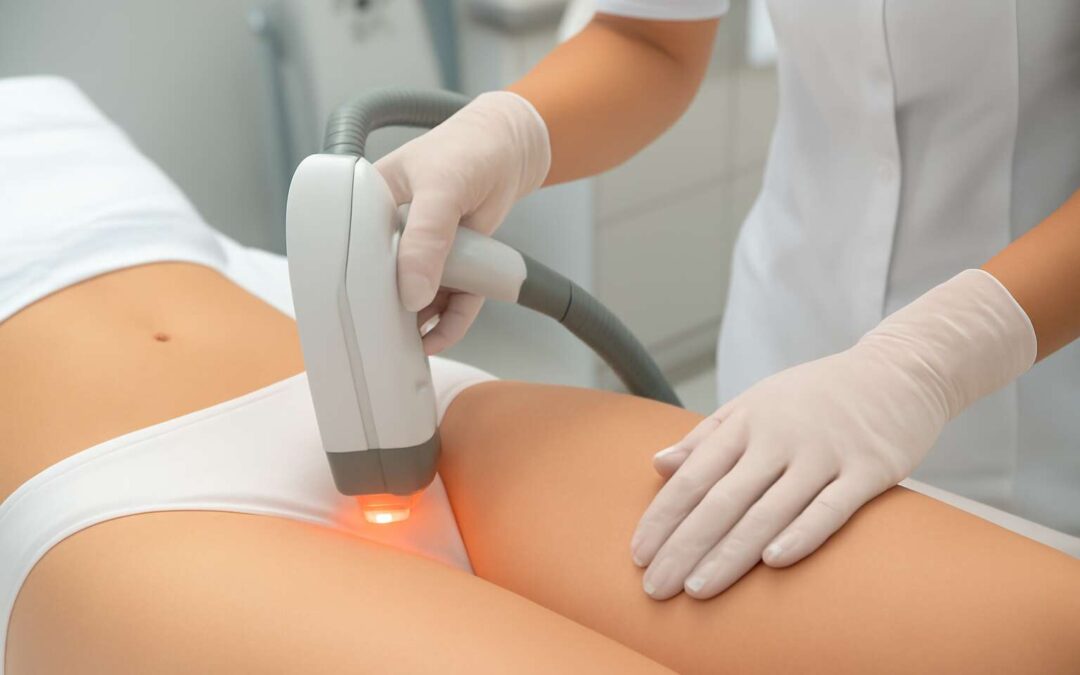
Laser hair removal uses targeted light to heat hair follicles, disrupting regrowth over sessions. Treatments focus on areas with hair, aiming for smooth results while protecting surrounding skin.
Common treatment zones include familiar, lower-risk areas.
- Underarms
- Bikini line
- Legs
- Back or chest (men)
Locally, the procedure affects skin and hair, not the reproductive system, and safety hinges on professional calibration and hygiene.
Fertility basics: what changes and what stays the same
Wellness and aesthetics can walk hand in hand, and in South Africa the conversation around laser hair removal threads through reproductive health. The common query is ‘can laser hair removal affect fertility’. The science answers with calm certainty: light targets follicles, not reproductive organs, and safety rests on skilled calibration and hygiene.
Fertility basics: what changes and what stays the same. In practical terms, hormonal cycles are not altered by this cosmetic modality; fertility potential remains as it was. What shifts is surface biology—treated areas may become smoother, but reproductive health stays intact.
- Changes to fertility: none; hormones and fertility potential stay unchanged.
- Stays the same: menstrual cycles and overall reproductive health.
In South Africa, safety hinges on professional expertise and sterile protocols, ensuring comfort as skin is cared for—a precise balance of science and self-care.
Myths vs evidence: common beliefs about fertility and cosmetic lasers
Across South Africa’s clinics, the question can laser hair removal affect fertility threads through reception rooms like a soft drumbeat, urgent yet measured. The answer arrives with quiet certainty: light aims pigment in hair follicles, not the organs that cradle life.
Understanding these basics invites balance—surface elegance without disturbing inner rhythms. The science rests on careful calibration, rigorous hygiene, and trained hands; the rest is reassurance that the treatment respects reproductive health while shaping confidence in skin.
Below, common beliefs meet clinical evidence, revealing how cosmetic lasers sit in the body’s wider chorus.
- Myth: The laser reaches the ovaries or uterus.
- Evidence: The energy targets hair follicles in the skin, not internal organs.
- Reality: Menstrual cycles and fertility potential stay governed by hormones outside the treatment field.
Why this topic matters for people planning pregnancy
In South Africa’s clinics, a quiet question travels through reception rooms—can laser hair removal affect fertility? The answer sits beneath the glow: the laser’s light targets pigment in hair follicles, not the organs that cradle life. It’s a reassuring, precise note in the rhythm of care.
Understanding the basics means recognizing that hormonal health handles fertility, not surface treatments. The energy pulses stay within the skin, chasing hair follicles while leaving reproductive systems untouched. With careful calibration, rigorous hygiene, and trained hands, you gain smoother skin without disturbing inner rhythms.
- The laser energy stays in the skin and the hair follicle, not internal organs.
- Hormones govern cycles; lasers do not disrupt these pathways.
- Professional protocols shield reproductive health through meticulous care.
This balance invites curiosity and calm—a story of science and shimmer walking hand in hand.
What the science says: safety, mechanism, and fertility outcomes
Biological mechanisms: can laser affect the reproductive system
Cosmetic lasers deliver precision with a wink to safety, a common sight in SA clinics, with about 20% year-on-year growth. can laser hair removal affect fertility? Current science says no—these devices heat hair follicles, not reproductive organs, with safety data that chews skeptics for lunch.
The mechanism is straightforward: laser light is absorbed by melanin in the follicle, converts to heat, and damages the hair matrix. This is localized, sparing ovaries, uterus, and testes.
Fertility outcomes align with that localized mechanism. The body of evidence does not suggest a fertility risk, though many clinicians advise postponing cosmetic lasers during pregnancy as a precaution.
- Localized safety: minimal systemic risk.
- Mechanism: targets follicles, not reproductive organs.
- Fertility outcomes: no credible evidence of impact.
Clinical studies and what they report about fertility
In plain terms, can laser hair removal affect fertility? Current science says no. These devices heat hair follicles, not reproductive organs, and robust safety datasets from SA clinics and international studies consistently show no systemic risk to surrounding tissues. The mechanism remains localized, a tiny sunbeam that spares the ovaries, uterus, and testes.
Clinical studies and fertility-related reports support this. Across diverse populations, there are no credible signals that laser hair removal alters ovarian reserve, sperm parameters, or pregnancy outcomes when used as directed. Caution remains prudent during pregnancy, with many clinicians recommending postponement until after delivery.
- No evidence of systemic fertility impact
- Outcomes on gonads unchanged in studies
- Pregnancy is often postponed as a precaution
Limitations of current research and gaps
In the bright, breathy world of cosmetic medicine, a single question travels quietly through waiting rooms: can laser hair removal affect fertility, and safety data from South Africa and international studies answer with a confident no—these devices heat hair follicles, not reproductive organs, and the broader datasets find no systemic risk.
What the science says about safety, mechanism, and fertility outcomes is practical and reassuring. The effect remains local—tiny, precise energy that spares the ovaries, uterus, and testes—while real-world use across diverse populations shows no credible signals of altered ovarian reserve, sperm parameters, or pregnancy outcomes when performed as directed.
- Localised energy; no systemic gonadal impact
- No credible data showing changes to ovarian reserve or sperm quality
- Pregnancy outcomes unchanged when lasers are used as directed
Nevertheless, limitations exist: many studies are observational, follow-up varies, and long-term cross-population data remain incomplete.
Comparing laser with other cosmetic procedures in terms of safety
The science behind laser hair removal reads like a quiet spell—precision at the surface, with energy focusing on hair follicles and sparing deeper tissues. The question remains: can laser hair removal affect fertility, and the answer from South African and international research is reassuring: energy is local, not gonadal, so reproductive organs stay out of the systemic reach.
- Energy acts on follicles only, with minimal spread to deeper tissues
- Large studies report no credible shifts in ovarian reserve or sperm quality
- Pregnancy outcomes remain unchanged when treatment guidelines are followed
In clinical practice, the safety message stays practical and reassuring: lasers are a targeted option that respects reproductive physiology, even as researchers study diverse populations over time.
Regulatory guidance and professional recommendations
Regulatory stances: FDA, CE marks, and safety claims
Can laser hair removal affect fertility? Regulators aren’t buying folklore; they demand data and clear labeling. In the United States, the FDA treats laser devices as medical tools, scrutinizing safety, performance, and how outcomes are described. In Europe, a CE mark signals conformity with essential health and safety requirements. When clinics trumpet fertility outcomes, they should back it with evidence—or risk misinterpretation and regulatory pushback.
- FDA: safety evaluation, labeling, post-market surveillance for laser devices used in cosmetic hair removal
- CE marks: EU conformity to essential health and safety requirements, including risk management
- Safety claims: marketing statements must be evidence-based and avoid implying guaranteed fertility effects
In South Africa, clinics align with international standards and adhere to local advertising rules, grounding claims in evidence.
Clinical guidelines from dermatology and reproductive health associations
Regulatory guidance from dermatology and reproductive health bodies shapes how clinics present cosmetic lasers. The guiding question can laser hair removal affect fertility is addressed through data, not anecdotes. Associations publish consensus statements and update guidelines to reflect evidence and safety profiles, pushing clinics toward transparent outcomes and labeling.
Key professional bodies shaping practice include:
- American Academy of Dermatology (AAD) guidance on cosmetic laser safety
- European Academy of Dermatology and Venereology (EADV) safety standards
- South African medical advertising standards and dermatology society recommendations
In South Africa, clinics align with international standards while adhering to local advertising rules, grounding claims in robust evidence and clear labeling.
Special populations and precautionary measures
Regulatory guidance and professional recommendations shape how clinics talk about cosmetic lasers. When patients ask can laser hair removal affect fertility, clinics should cite consensus statements and robust safety labeling instead of anecdotes. Leading bodies—FDA/CE marks, the American Academy of Dermatology (AAD), and the European Academy of Dermatology and Venereology (EADV)—set the safety baseline. In South Africa, clinics align international standards with local advertising rules, grounding every claim in evidence.
- Regulatory standards and safety labeling (FDA/CE) ensure transparent patient information
- Consensus statements from AAD and EADV guide evidence-based practice
- South African advertising rules require robust evidence and clear labeling
Special populations require cautious, tailored approaches. For those planning pregnancy, the talk shifts from marketing chatter to risk-aware dialogue. Postpone treatment during pregnancy or while trying to conceive, and ensure skin health is optimal before proceeding.
- Pregnancy or trying to conceive: defer treatment and discuss timing
- Active infections or wounds: postpone until resolved
- Dark skin tones or hormonally driven hair growth: apply conservative settings and patch testing
How to verify clinic safety and equipment standards
Regulatory guidance acts as a compass in the realm of cosmetic lasers. For questions like can laser hair removal affect fertility, clinics should anchor explanations in FDA/CE labeling and consensus statements from the AAD and EADV, not rumors or anecdotes.
To verify safety, clinics should adopt a concise, evidence-based checklist:
- Regulatory approvals: FDA-cleared or CE-marked devices with current certification.
- Maintenance and calibration: up-to-date service logs and routine performance checks documented.
- Operator qualifications: trained staff working with the appropriate laser types and documented safety protocols.
- Advertising integrity: claims grounded in robust evidence and labeling, not marketing hype.
In South Africa, clinics blend these international standards with local advertising rules, ensuring every claim rests on evidence and clear labeling.
Practical guidance for patients considering treatment
Timing considerations with fertility planning and pregnancy
In South Africa, many couples balance beauty routines with family plans. A trusted obstetrician says timing is the compass when life plans are on the horizon—and questions like can laser hair removal affect fertility deserve thoughtful attention. Careful scheduling can ease worry and keep both skincare and fertility on a hopeful path.
- Consult both your dermatologist and obstetrician to review medical history and hormonal considerations.
- Plan sessions outside the fertile window and pause during pregnancy if possible.
- Share your fertility plans with the clinic so treatment timing aligns with your goals.
Timing considerations with fertility planning mean choosing flexible appointment blocks and avoiding intensive sessions during pregnancy. Your safety team can tailor settings to minimize irritation while respecting future plans.
If you’re unsure, you may want to discuss can laser hair removal affect fertility with your clinician. SA guidelines promote careful, individualized scheduling within safe practice frameworks.
Choosing the right clinic and practitioner: credentials and safety protocols
Choosing the right clinic and practitioner is where science meets bedside manner. When fertility is on the radar, you want credentialed hands and trusted equipment more than glossy brochures. Many patients ask can laser hair removal affect fertility, and the answer hinges on safety practices as much as outcomes.
Key credentials to validate:
- A dermatologist or licensed laser technician with accredited training and ongoing education.
- Device safety: FDA-cleared or CE-marked lasers, with regular maintenance and calibration logs.
- Rigorous safety protocols: eye protection, cooling, hygiene, and documented patch testing.
Ask for a transparent plan: who will treat you, what settings, and how your pregnancy or fertility goals influence scheduling. A clinic that communicates clearly helps you stay aligned with family plans without compromising skin goals.
Questions to ask during consultations
In the glow of a clinic’s evening light, curiosity blooms: can laser hair removal affect fertility? Patients who dream of expanding their families weigh beauty goals against future plans, and the right dialogue turns fear into clarity. When fertility sits on the radar, a practitioner’s safety-first approach partners with your aspirations, like star-map and compass aligned!
To guide conversations, consider these questions during consultations:
- What credentials and ongoing education does the clinician maintain?
- Is the laser device FDA-cleared or CE-marked, and are calibration logs current?
- What safety protocols cover eye protection, cooling, hygiene, and patch testing?
- How will your pregnancy or fertility plans influence scheduling and treatment planning?
Ask for a transparent plan: who will treat you, what settings are contemplated, and how the approach aligns with family goals as it preserves skin goals. Clear, compassionate communication helps you navigate choices with confidence and wonder.
Post-treatment monitoring and when to seek advice
In the glow of a clinic’s evening lights, curiosity blooms: this question—can laser hair removal affect fertility—persists as clients balance beauty goals with future family plans. Across South Africa, the consensus leans on safety and reputable practice. When performed by a qualified clinician using an FDA-cleared or CE-marked device, current understanding is that reproductive function remains unaffected by the treatment itself.
Post-treatment monitoring is mostly about skin and peace of mind. Look for unusual irritation, keep the treated area moisturised, and heed sun-avoidance guidance. If pregnancy becomes part of your story later, scheduling and treatment planning can be navigated with your clinician to respect both skin goals and family intentions.
Should questions linger about fertility, engage in open dialogue with your dermatologist and reproductive health specialist. Clear, respectful communication helps separate myth from evidence and keeps your beauty journey aligned with future plans.
FAQ: common questions and clear answers
Can laser hair removal affect fertility in women?
Fertility planning sits at the center of family choices, and clinics field questions about lasers. can laser hair removal affect fertility, and the answer is clear: there’s no proven link. Lasers target hair follicles in the skin and do not reach ovaries or hormonal systems. When devices are approved and used by trained professionals, risks are limited to temporary skin reactions, not reproductive health. This reassurance helps clients move forward with confidence as they balance cosmetic goals with family plans.
- Direct impact? No. The energy stays in the skin, not in reproductive organs, and there’s no evidence of hormonal disruption from standard devices.
- Pregnancy planning? Most clinics avoid sessions during pregnancy; if you’re planning a family, discuss timing with your clinician to align treatments with your goals.
Across South Africa, reputable clinics follow safety standards and device regulations, keeping laser hair removal a cosmetic choice with no bearing on fertility.
Is there any risk to male fertility?
Is there any risk to male fertility? In short, no. There’s no evidence that laser hair removal affects male reproductive health. The laser energy targets hair follicles in the skin and stays outside the testes and hormonal system. When performed by trained clinicians using approved devices, risks are limited to temporary skin reactions such as redness or mild swelling, not reproductive health.
- Energy stays in the skin and never reaches internal organs.
- No hormonal disruption has been demonstrated in reputable studies.
- Clinics in South Africa follow safety standards and device regulations to protect overall health.
For those planning families, many ask can laser hair removal affect fertility. The answer for men is the same as for women: no proven link. Energy remains confined to the skin, and standard devices used by trained professionals do not disrupt hormones or reproductive function.
Should people trying to conceive avoid laser hair removal?
If you’re trying to conceive, can laser hair removal affect fertility? The answer is simple: no. There’s no credible evidence linking cosmetic laser treatments to fertility problems. The energy stays in the skin and does not reach the reproductive system when performed by trained clinicians on approved devices.
Choose settings and clinics carefully. Energy remains confined to the skin, and reputable studies show no hormonal disruption from standard lasers. In South Africa, clinics follow strict safety standards and device regulations to protect overall health. If pregnancy is imminent, many clinics adjust scheduling as a precaution.
FAQ answers at a glance:
- Is it safe while TTC? Yes—no evidence of fertility impact when done by trained clinicians.
- Should you delay if you’re actively trying? Not usually required, though some prefer to postpone during pregnancy.
- What should you verify before booking? Certification, device type, and clinic safety protocols.
What about tattoos, skin type, and pregnancy considerations?
FAQ highlights for those planning to conceive: common questions answered with clear, evidence-based guidance. When it comes to fertility, the science remains reassuring and straightforward.
What about tattoos, skin type, and pregnancy considerations? Tattoos in the treatment zone can complicate pigment, so clinicians often avoid them or adjust settings to protect tattoo integrity. Tattooing itself doesn’t affect fertility. Skin type influences comfort and results, not fertility; using the right wavelength and cooling keeps risk minimal for all skin tones, including darker complexions common in South Africa.
Regarding pregnancy, many SA clinics reschedule elective sessions or tailor timing to the prenatal period. And can laser hair removal affect fertility? The verdict is consistent: energy stays in the skin and does not disrupt hormonal balance when performed by trained clinicians on approved devices.
How soon after treatment could fertility be affected, if at all?
Fertility questions among beauty clients tend to hit like a loud club beat. When asked, can laser hair removal affect fertility, the verdict is simple: energy stays in the skin and doesn’t mess with hormones when done by trained clinicians on approved devices. In SA clinics, safety comes first, not hormonal drama.
Fertility impact is not a concern post-treatment. If planning, you won’t need to hit pause on your plans—local energy stays localized and temporary effects are cosmetic only.
- No impact on fertility or reproductive hormones
- No systemic energy reaches the ovaries or testes
- Any side effects are local and temporary
The science stays reassuring: energy remains localized, and fertility remains unaffected when procedures are performed by qualified clinicians.