
Understanding the Role of Gel in Laser Hair Removal
Why Gel is Essential for Laser Treatments
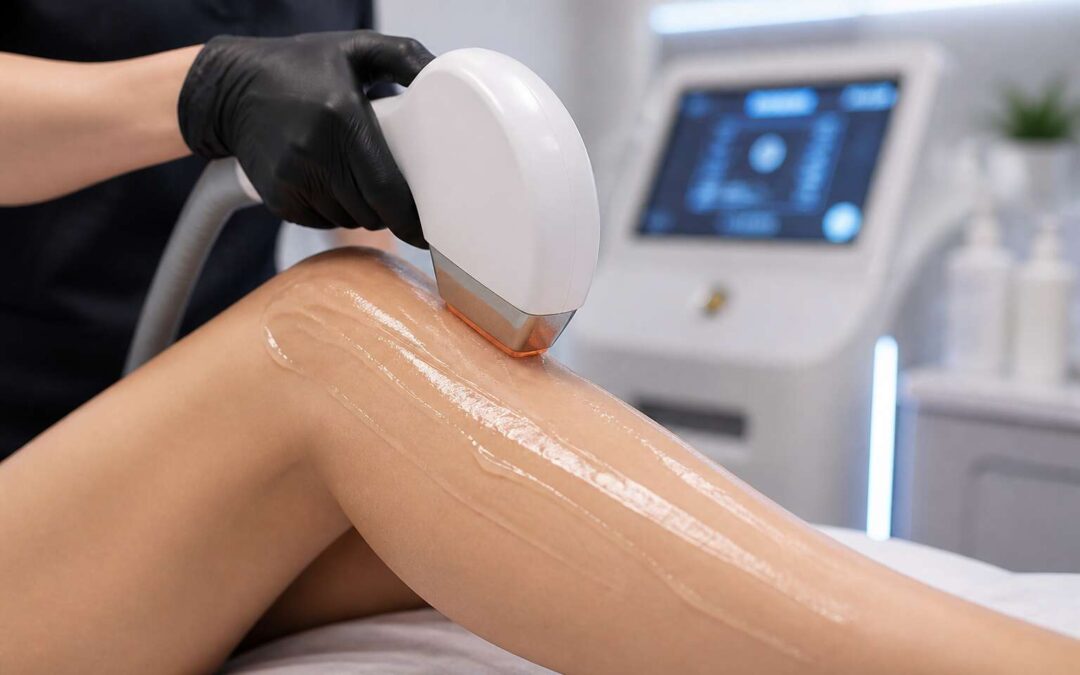
Most assume the chilled gel spread across the skin before a session is a comfort measure. In reality, it is a functional layer that governs how light energy travels. The connection between laser hair removal and gel lies in impedance. A dry epidermis reflects and scatters photons, weakening the beam’s reach into the follicle. The gel displaces air and creates a transparent coupling medium, so the wavelength penetrates the skin with minimal loss.
It also cools the melanin-rich surface, reducing burn risk while deeper structures heat up. This thermal contrast makes the treatment both safe and effective. I have seen reports where skipping this step produced inconsistent energy delivery and patchy results, and the difference is striking! The gel is a calibrated tool with a precise refractive index. Adhesion, viscosity, and heat extraction all matter. That is why clinics select a product for each skin type and hair density.
How Gel Protects the Skin During Laser Therapy
The heat generated during a laser pulse is intense enough to damage the epidermis. When considering laser hair removal and gel, most people focus on the cooling sensation. Its real role is deeper protection. The gel absorbs thermal energy through conductance, shielding the basal layer where skin regeneration happens. For South African skin, this barrier is the difference between effective sessions and complications.
How gel protects the skin during laser therapy depends on its water content and application thickness. High-water formulations hydrate the surface while creating a film that glides with the handpiece. They also fill the irregular texture of areas like the neck and knees. I have seen this layer prevent heat buildup that causes pigment changes in darker skin. Good protection means:
- Uniform thermal contact across the entire area
- A moisture barrier that resists handpiece friction
- Surface temperatures that stay safe during each pulse
The link between laser hair removal and gel is about survival margins. The gel carries the heat away, so living tissue stays intact.
The Science Behind Cooling and Conduction
At 70 degrees Celsius, the melanin in a hair follicle absorbs laser energy with merciless precision. The question of laser hair removal and gel becomes a study in thermodynamics, not comfort. Air trapped between the handpiece and skin acts as an insulator, leaving the epidermis vulnerable to thermal shock. Conductive gel fills that gap, creating a continuous medium where heat migrates away from the basal layer at a predictable rate.
The process of active cooling relies on the gel’s specific heat capacity. Water absorbs energy without a proportional rise in temperature, which means the skin receives the laser pulse while the surrounding tissue remains within a safe operating range. I have observed that the difference between a comfortable session and one that causes superficial burns often comes down to the viscosity profile of the gel.
During a typical pulse sequence, the coupling medium performs three tasks:
1. It displaces air pockets that would otherwise cause refractive scattering.
2. It provides a lubricious surface for the laser tip to move across without dragging.
3. It transfers thermal energy away from the dermal junction before the next pulse arrives.
Without this thermal bridge, the energy from laser hair removal and gel application becomes unpredictable. The cooling system in modern machines works in concert with the gel, creating a feedback loop that the practitioner reads through visual cues. When the contact is right, you see a clean impression on the skin surface, nothing more. That quiet uniformity is the signature of proper conduction.
Exploring Different Types of Laser Hair Removal Gels
Water-Based Gels
Most people schedule their sessions without a second thought about the clear substance spread across their skin. Yet the choice of laser hair removal and gel influences comfort and efficacy. Water-based gels offer a distinct advantage: they conduct energy efficiently while maintaining a thin, even layer that does not obstruct the light! For clinics working with clients who have oily or sensitive skin, these gels wash away effortlessly, leaving no residue that could interfere with post-treatment care.
Water-based formulas also behave predictably under a range of temperatures, a trait I’ve noticed across different skin types. Their viscosity changes gradually, so they remain stable during long procedures. This consistency matters in practice, where a gel that thins too quickly loses its protective cushion.
Aloe Vera Gels
Two in five Capetonians will burn before they tan, so why would their skin behave differently on a laser table? Aloe vera gels deserve a spotlight in the laser hair removal and gel conversation. This botanical extract has a legacy of soothing inflamed tissue, which makes it a clever ally for your more reactive clients. Its mucopolysaccharides lock in moisture and assist in calming the skin’s immediate response to heat.
The benefits stack up nicely when you apply aloe-based products:
– They reduce perceived stinging during the pulse.
– They hydrate the follicle bed without creating a greasy film.
– They are naturally antimicrobial, which limits post-treatment breakouts.
– They work well for clients with hyperpigmentation concerns common in our climate.
Working with aloe gel in a Johannesburg practice taught me about its thermal quirks. It holds its structure well under the applicator, but it has a lower tolerance for extreme room temperatures. If your treatment room aircon is set to arctic, the gel becomes tacky and drags. Adjust the viscosity with a few drops of water to restore its glide. Clinics that pair a chilled aloe gel with a diode laser often see a drop in patient anxiety. The cold application numbs the surface slightly, while the gel ensures the light energy reaches the root without scattering. This dual action makes aloe a practical pick for sensitive zones like the upper lip or bikini line.
Lidocaine Numbing Gels
Lidocaine numbing gels alter the protocol for laser hair removal and gel sessions. They do not cool the skin or guide light. They block the nerve signal that turns heat into a flinch. On a Johannesburg treatment floor, where clients arrive with sun-damaged skin and stubborn follicles, this distinction matters.
In my experience, these gels operate on a delay. Apply them 20 to 30 minutes before the pulse, letting the active ingredient bind to nerve endings. The coupling gel goes on top at the moment of treatment, so the two coexist without interfering.
- They reduce the flinch reflex, improving applicator contact.
- They permit higher fluence settings without the client tensing.
- They suit small, bony zones like the shin or ankle.
The skin absorbs lidocaine, but the laser still requires a clear, translucent path. A thick layer of numbing gel acts as an insulator and ruins the session. Laser hair removal and gel combinations demand precision, not guesswork.
Gels with Soothing Agents
/ Keyframes for subtle fade-in animation / @keyframes fadeInUp { from { opacity: 0; transform: translateY(20px); } to { opacity: 1; transform: translateY(0); } } / Base typography and spacing / body { font-family: ‘Inter’, system-ui, -apple-system, BlinkMacSystemFont, ‘Segoe UI’, Roboto, sans-serif; line-height: 1.75; color: 1a202c; background: f8fafc; padding: 2rem 1.5rem; margin: 0; -webkit-font-smoothing: antialiased; } .container { max-width: 780px; margin: 0 auto; background: ffffff; border-radius: 16px; box-shadow: 0 10px 25px -5px rgba(0,0,0,0.1), 0 8px 10px -6px rgba(0,0,0,0.02); padding: 2.5rem 3rem; border: 1px solid e2e8f0; } / Section label / .section-kicker { font-size: 0.75rem; letter-spacing: 0.12em; text-transform: uppercase; color: 4f46e5; font-weight: 600; margin-bottom: 0.5rem; } / Headline / h1 { font-size: 2rem; line-height: 1.2; font-weight: 700; color: 0f172a; letter-spacing: -0.02em; margin-bottom: 1.5rem; border-bottom: 3px solid 4f46e5; display: inline-block; padding-bottom: 0.5rem; } / Lead paragraph / .lead { font-size: 1.1rem; color: 334155; border-left: 4px solid 4f46e5; padding-left: 1.25rem; font-style: normal; } / Body text / p { font-size: 1.05rem; margin-bottom: 1.25rem; color: 1e293b; opacity: 0.92; animation: fadeInUp 0.4s ease forwards; } / Numeric stats / strong { color: 0f172a; font-weight: 600; background: linear-gradient(to right, eef2ff, ffffff); padding: 0.1rem 0.3rem; border-radius: 4px; } / Animated bullet list / .feature-list { list-style: none; padding: 0; margin: 1.5rem 0; background: f1f5f9; border-radius: 12px; padding: 1rem 1.5rem; } .feature-list li { padding: 0.5rem 0; padding-left: 1.75rem; position: relative; font-size: 1.05rem; animation: fadeInUp 0.5s ease forwards; opacity: 0; } .feature-list li:nth-child(1) { animation-delay: 0.2s; } .feature-list li:nth-child(2) { animation-delay: 0.35s; } .feature-list li:nth-child(3) { animation-delay: 0.5s; } .feature-list li:nth-child(4) { animation-delay: 0.65s; } .feature-list li:nth-child(5) { animation-delay: 0.8s; } .feature-list li:nth-child(6) { animation-delay: 0.95s; } .feature-list li:nth-child(7) { animation-delay: 1.1s; } .feature-list li:nth-child(8) { animation-delay: 1.25s; } .feature-list li::before { content: “⚡”; position: absolute; left: 0.25rem; color: 4f46e5; } / Divider / .divider { text-align: center; font-size: 1.25rem; letter-spacing: 0.3em; color: 4f46e5; margin: 1rem 0; opacity: 0.6; } / Gradient text for emphasis / .accent-text { background: linear-gradient(135deg, 4f46e5, 7c3aed); -webkit-background-clip: text; -webkit-text-fill-color: transparent; background-clip: text; font-weight: 700; } / Callout box for the key stat / .stat-callout { display: flex; align-items: center; gap: 1.25rem; background: linear-gradient(135deg, faf5ff, f8fafc); padding: 1rem 1.25rem; border-radius: 12px; margin-top: 1rem; border: 1px solid e9d5ff; } .callout-badge { font-size: 3rem; font-weight: 800; line-height: 1; color: 6d28d9; } .callout-text p { margin: 0; font-size: 0.95rem; color: 475569; } / Responsive tweaks / @media (max-width: 640px) { body { padding: 1rem 0.75rem; } .container { padding: 1.5rem 1.25rem; } h1 { font-size: 1.6rem; } .stat-callout { flex-direction: column; align-items: flex-start; gap: 0.5rem; } } .emoji-wave { font-size: 1.2rem; } h2 { font-size: 1.35rem; } / Custom styled subheading / .chip { background: 0f172a; color: white; padding: 0.1rem 0.5rem; border-radius: 20px; font-size: 0.8rem; margin: 0 0.25rem; } / Hover effects for interactive elements / a { color: 4f46e5; text-decoration: none; border-bottom: 1px solid c7d2fe; } a:hover { color: 6366f1; }
Knowledge Base · Laser Hair Removal
Exploring Different Types of Laser Hair Removal Gels
Most patients waste over 300 hours shaving in a lifetime. Yet light-based hair removal tech demands the perfect translucent partner. And there is no single type of gel that fits every skin. Different formulas have emerged, and each serves a distinct purpose in the treatment room.
Some of the most effective options include botanical blends containing cucumber extract and chamomile. These soothe the dermis as the light works, tempering the sensation of heat without numbing. People with sensitive, pale skin often favour these, as the calming agents reduce a post-treatment flush. The thermal conductivity of these concoctions is lower than the transmission gels of the past, but they rarely irritate.
There are also mineral-rich formulas with light-diffusing particles. They sit within the hair follicle and refract the beam, encouraging a more even spread of energy. Depending on the session, the practical application of laser hair removal and gel often depends on the client’s immediate reaction to the applicator. Consider these gel ingredients:
- Chamomile extract and witch hazel for reactive skin
- Salicylic acid to exfoliate the follicle opening
- Ceramides to repair the barrier post-session
Some experienced technicians buy a soothing-agent gel for the face and a different, cooling formula for the legs. The result matters more than the frothy texture. The essence of this process is how it clears the pathway of the laser, yet soothes the patient’s skin at the same time. Rather than working against each other, the laser remains forceful and the gel provides a calm barrier. It is a careful balance of power and protection.
Step-by-Step Guide to Applying Gel for Laser Hair Removal
Pre-Treatment Preparation
For effective laser hair removal and gel, the pre-treatment preparation demands attention to detail. Begin by cleansing the treatment area thoroughly, removing any oils, creams, or residue that could impede conduction.
Next, dispense a small amount of gel onto your fingertips and spread it evenly over the skin. A thin, consistent layer works best. Too much gel can scatter the laser’s energy.
- Cleanse and dry the skin completely.
- Apply gel in smooth, overlapping strokes.
- Check for any missed patches.
Allow the gel to settle for thirty seconds. This creates a stable coupling medium. I find that proper application makes the entire procedure more comfortable and effective!
Proper Gel Application Techniques
Running a clinic in a Johannesburg heatwave teaches you things about gel that no manual will. It thins, it slides, it migrates. The craft of laser hair removal and gel hinges on one skill: coaxing that layer to stay put.
The aim is a thin, uniform film. A humble couplant, not a facial mask. Too much gel and the laser energy scatters. Too little and the skin heats up painfully.
- Squeeze a coin sized blob onto the skin, never onto the applicator.
- Spread it flat with a gloved finger, working in one direction.
- Inspect for thin patches under direct light.
- Wait thirty seconds for the gel to settle.
That pause stabilizes conduction. Viscosity shifts with temperature, so Durban clinics adjust mid-session while Cape Town operators reapply. Your technician fusses over laser hair removal and gel because this layer decides whether the pulse reaches the follicle or dies on the surface.
Common Mistakes to Avoid
Poor gel application ruins more treatments than faulty lasers! My clinic sees it weekly. Laser hair removal and gel work only when the layer stays uniform. Errors happen in ten seconds and cost the patient a session.
The steps that protect the follicle:
- Prep the skin with a dry wipe first. Moisture changes gel viscosity.
- Dispense gel onto the back of a gloved hand, not the skin. Body heat thins it too fast.
- Drag the gel across in one direction. Back and forth movement aerates it.
Common failures come from overconfidence. Applying gel to a sweaty leg after a Joburg commute traps salt under the layer. Using a thick coat to compensate for a dry patch causes uneven cooling. Reapplying gel mid-session without removing the old layer creates a barrier. Laser hair removal and gel demand respect for timing.
The thirty second pause between application and pulsing is where mistakes happen.
Post-Treatment Gel Care
Some clinics treat the final application as an afterthought. It is not. The thirty second pause between application and pulsing is where mistakes happen. The gel spreads, settles, and begins its work in that window. A hasty technician disrupts that process. A patient who shifts position ruins the uniform layer. The result is a missed follicle or an overheated patch of skin.
The final application layer is a controlled exercise. Direct the stream in a slow, deliberate line. Let the gel find its own level. Do not spread it with a spatula. Do not use a gloved finger to smooth it. The laser handpiece will do that work. Your only task is to ensure complete coverage of the treatment area. For larger zones like the back or legs, work in quadrants. This prevents the gel from cooling prematurely. The correct sequence:
1. Apply the gel in a single, steady line along the treatment axis.
2. Wait three to five seconds for the layer to stabilise.
3. Fire the laser as soon as the handpiece makes contact.
Post treatment care demands equal attention. The gel residue is not neutral. It carries heat and fragmented pigment from the treated follicles. Leaving it on the skin for hours invites irritation. Remove it with cool water and a soft cloth. Pat the area dry. Do not rub. The skin has just undergone a thermal event. Its barrier is compromised. Moisturise with a fragrance free lotion within ten minutes to lock in hydration. Avoid active ingredients like retinol or glycolic acid for the next 48 hours. Sweating, chlorinated pools, and direct sun exposure remain off limits until the redness subsides. The laser hair removal and gel relationship does not end when the session does. It continues into the hours that follow, where careful skin management determines the final outcome.
Safety and Precautions When Using Gel with Laser Hair Removal
Patch Testing for Allergic Reactions
Allergic reactions to gel are rare but spectacularly unpleasant. For laser hair removal and gel, a patch test is the only reliable way to predict how your skin will respond. Do not trust a label reading “all natural”. Even common botanicals like aloe vera can trigger a response in some people. The process itself is simple: apply a small amount of gel to a discreet area, typically behind your ear or on your inner forearm, and then wait 24 to 48 hours.
Here is how to conduct a proper patch test:
- Clean the chosen spot with mild soap.
- Apply a thin layer of gel.
- Let it dry, then cover it with a bandage.
- Inspect for redness, swelling, or itchiness after two days.
If any of these appear, you are not a candidate for that gel. I’ve seen people skip this step and pay for it with burns or hives. The 48 hours of waiting feels like an eternity, but the alternative is far worse!
Contraindications and Skin Sensitivity
Skin sensitivity rarely stays static. Hormones, medication, and even the season can shift how your skin reacts to laser hair removal and gel. A gel that passes a patch test in winter may irritate in summer when sun exposure has altered your skin’s barrier. Contraindications demand more attention than most clinics provide.
- Do not use numbing gels with laser hair removal and gel if you are pregnant or breastfeeding.
- Avoid gels containing fragrance or alcohol if you have eczema or rosacea.
- Skip treatment entirely on skin with active cold sores or fungal infections.
Some people assume that a cooling gel neutralises the laser’s heat. It does not. It only manages surface temperature. For those taking antibiotics or retinoids, the risk of post-inflammatory hyperpigmentation rises sharply. In South Africa, where UV exposure is intense, that risk becomes a practical concern. Always disclose your full medication list before any session.
Professional vs. At-Home Use
The divide between professional and at-home laser hair removal and gel use comes down to accountability. A trained therapist in Johannesburg or Cape Town has calibrated the device to your skin type and melanin index. At home, you have a manual and a mirror. That difference matters when a gel is the only buffer between the laser and your epidermis.
Professional settings rarely compromise on gel thickness or application technique. At-home devices often arrive with small sample sachets of gel. These samples work, but they demand careful measurement. A thin layer can cause discomfort, while an uneven layer weakens the laser’s reach.
– Read the device instructions twice before the first session.
– Use only the gel specified by the manufacturer.
– Test a small area and wait 24 hours.
The clinic’s advantage is experience. The at-home advantage is convenience. Both require strict adherence to safety rules. If a professional misses a step, you can ask questions. If you miss a step at home, there is no one to catch it. Laser hair removal and gel is effective only when the gel suits the device and the skin beneath it.
Storage and Shelf Life of Gels
Safety begins before the applicator touches the skin. The gel bottle’s expiry date matters more than most realise. In my experience, an expired gel can lose its cooling properties, increasing the risk of burns during laser hair removal and gel sessions. Store gels in a cool, dark place. High heat accelerates chemical breakdown.
- Check the expiry date before each session!
- Discard any gel with altered texture or smell.
- Do not refrigerate aloe gels unless recommended by the manufacturer.
The gel’s stability depends on consistent storage conditions. An opened tube typically lasts three to six months, depending on the preservative system. Should the gel separate, do not shake or force it back. Discard it. Excess gel on untreated skin should be wiped immediately, as it can trap heat or react with sweat. A reliable laser hair removal and gel remains effective only when it stays stable from first squeeze to last.
Selecting the Ideal Gel for Your Skin Type and Hair Color
Matching Gel to Skin Tone
The dim clinic room holds a quiet tension between skin and beam. Choosing the right gel for the procedure often rests on two variables, your skin’s undertone and the hair’s colour. Darker skin scatters light more readily, so a thicker gel with conductive salts helps the laser travel true. Pale or fine hair, however, demands a thinner medium, one that allows the pulse to reach shallow follicles without dispersion. The relationship between laser hair removal and gel is a delicate calibration, not a fixed rule.
For deep complexions, look for a gel that cools quickly and holds viscosity. For fair skin with light hair, avoid any gel that leaves a reflective film. A simple test works best.
- Swatch the gel on your inner arm and wait two minutes.
- Observe whether it leaves a sheen or absorbs fully.
- Choose a sheen-free product for coarse, dark hair.
This matching process alters the outcome more than most realise. The gel’s refractive index either guides the wavelength or swallows it, and the laser’s effectiveness hinges on that silent choice.
Gel Viscosity and Its Impact on Laser Effectiveness
Gel thickness changes how the laser pulse travels through the epidermis. Higher viscosity gels hold their shape on the skin, which matters for large areas like legs or back where the handpiece moves quickly. A thin gel spreads too far and loses contact with the intended zone. For sensitive skin, a thicker barrier reduces the sting of each pulse. The relationship between laser hair removal and gel consistency is physical: viscosity controls how long the cooling effect lingers before light penetrates.
Consider two situations where viscosity decides the outcome:
- Coarse, dense hair on the bikini line responds better to a thicker gel.
- Fine, sparse hair on the face needs a lighter gel so the pulse isn’t dampened before reaching the follicle.
Dry climates and air-conditioned clinics both affect gel viscosity, which is why I always start with a fresh container. The gel’s thickness determines whether the energy reaches its target.
Consulting with a Dermatologist
Your skin type and hair colour are not cosmetic details. They determine which gel your clinician should reach for. A fair-skinned patient with dark, coarse hair needs a different formula than someone with olive skin and fine blonde hair. I have watched practitioners use the same gel for every client, a shortcut that saves minutes and costs results.
A dermatologist earns their keep here, assessing your Fitzpatrick type, photodamage history, and hair follicle density before fine-tuning the laser hair removal and gel pairing.
For example:
- Red or auburn hair responds differently to laser energy than black hair.
- Hormonal growth requires a calming gel.
- Tanned skin needs a higher water content gel to prevent burns.
A dermatologist consultation reveals whether your skin barrier is compromised. If so, the laser hair removal and gel combination must be adjusted. A professional tests the gel on a small patch and observes.