
Understanding Laser Hair Removal and Its Mechanism
How Laser Hair Removal Works
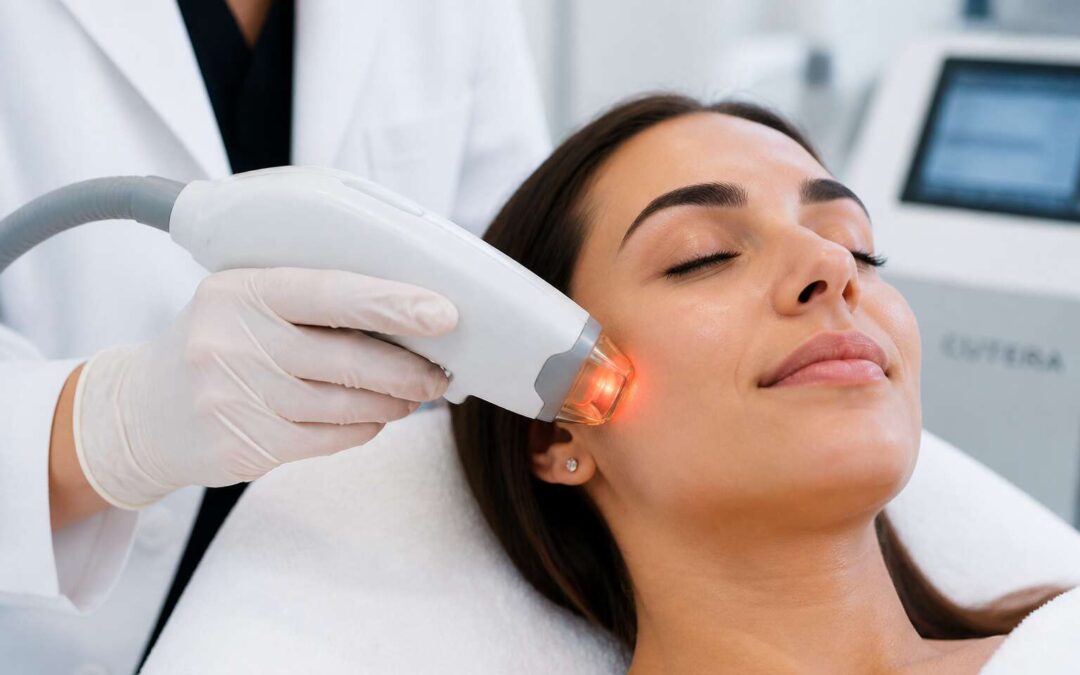
Selective photothermolysis governs laser hair removal. A precise wavelength targets melanin inside the hair shaft and follicle, converting light into heat that disables the bulb and dermal papilla. Surrounding skin remains untouched because the pulse duration is shorter than the thermal relaxation time of the epidermis.
In my experience, patients frequently ask, are laser hair removal safe, before committing to treatment. The answer lies in this mechanism. Modern lasers use contact cooling and dynamic cryogen sprays to shield the skin surface. A typical session follows a logical sequence:
- Cleansing the area to remove oils and debris
- Adjusting fluence based on skin phototype and hair density
- Firing pulses that match the anagen growth phase
Only active follicles respond, explaining why repeat visits are required. The query, are laser hair removal safe, resolves to a matter of calibration, operator expertise, and honest assessment of skin type.
The Science Behind Laser and Hair Follicles
Every morning, across the quiet suburbs of Cape Town and the bustling streets of Joburg, thousands of people peer into mirrors and wonder about the permanence of their unwanted hair. The question they whisper to themselves, and eventually to a clinician, is often, are laser hair removal safe for my specific skin and concerns. It is a valid inquiry, one that deserves a thoughtful answer beyond the clinic brochure. The safety of this technology is not a simple switch that is flipped on or off. Instead, it is an engineered practice, dependent on the physics of light and the biology of human skin.
The laser operates like a precise instrument, seeking out the dark pigment within the hair follicle while leaving the surrounding tissue to its own quiet business. This selectivity is the foundation of the entire procedure. However, the true art of safety lies in the consultation, where a professional assesses the contrast between skin tone and hair colour. For someone with a deep bronze complexion, the settings must be gentler, because the skin also competes for the laser’s attention. When the parameters are correctly aligned, the experience is less about danger and more about mindful precision.
To understand what makes this process secure, one must consider the layers of protection in place:
– Contact cooling tips that press against the epidermis, keeping the surface cold
– The adjustment of pulse duration to match the size and depth of the specific hair follicle
– A patch test performed weeks in advance to observe any unusual reaction
– The operator’s ability to read the skin’s immediate response to the first few pulses
This checklist is the physical manifestation of safety. The technology itself is merely a tool; the safety resides in the hands that wield it. I am often asked, are laser hair removal safe, and my answer always circles back to the principle of selective damage. The beam is engineered to spare the skin by heating it for a fraction of a second, faster than it can retain the heat. The result is a process that disables the root without burning the surface, provided the equipment is current and the person operating it understands the delicate dance between melanin and light.
Types of Lasers Used
It is easy to think of a laser as a singular, monolithic device, but the reality is far more nuanced. The machine you encounter in a high-end Cape Town clinic is a carefully chosen instrument, selected for the specific task at hand. Most systems in use today operate on the principle of selective photothermolysis, yet they distinguish themselves through specific wavelengths of light that penetrate the skin to varying depths. The Alexandrite laser, for instance, is a swift and effective tool for lighter skin tones, while the Diode laser offers a longer wavelength that reaches deeper into the follicle. For those with a deeper complexion, the Nd:YAG laser is often the chosen guardian, as its energy bypasses the epidermal melanin to focus on the root below.
The selection of the device is only half of the equation. The operator must also consider the infrastructure of safety that surrounds the procedure. Your skin’s readiness, the cooling systems used to protect the dermis, and the experience of the clinician all contribute to the outcome. A significant part of the mechanism is the ability to read the skin before the first flash. Conditions like active infections, open wounds, or recent sun exposure can turn a routine session into a hazardous one.
When shopping for a provider, understanding the tools is key. The question of are laser hair removal safe is often answered by the machinery itself. These variables define the mechanism:
– The specific chromophore, or pigment, that the wavelength targets
– The pulse width, which determines how long the heat is applied
– The spot size of the beam, which affects how deeply the energy penetrates
– The integrated cooling system, which protects the upper layers of the skin
Ultimately, understanding the mechanism is about understanding the relationship between the machine and your melanin. With over 40 percent of South Africans having skin types that are prone to hyperpigmentation, the choice of laser is not a luxury, it is a crucial factor in determining whether the experience results in smooth skin or a painful reaction. This is the true dance of light and shadow, where the type of laser determines if the question of are laser hair removal safe is answered with confidence or caution.
Potential Risks and Side Effects
Common Side Effects and Their Duration
Most people ask “are laser hair removal safe” while picturing burned skin or lasting scars. The honest answer is that adverse events happen, but they are uncommon and usually temporary. Pain during treatment feels like a rubber band snapping against your skin, and the sensation fades within minutes. Redness and mild swelling around treated follicles are the most frequently reported issues. These reactions mimic a mild sunburn and typically resolve within a few hours to two days.
The skin’s barrier reacts to the laser’s heat, which is why some people experience temporary pigment changes. Darker skin tones may see hyperpigmentation, while lighter skin might develop hypopigmentation. Both are almost always transient, but they can last for several weeks. More serious complications, such as blistering or crusting, are rare and usually tied to improper settings or unqualified technicians. Here is what you might notice:
- Folliculitis, or inflamed hair follicles, which looks like small red bumps and clears in days
- Dry, flaky skin that peels as the treated area sheds
- Perifollicular edema, or swelling around the hair root, which subsides quickly
These side effects are part of the body’s normal repair process. Your immune system rushes to the treated area to heal the microscopic damage caused by the laser. This is why the risk profile remains favourable compared to methods like electrolysis, which can cause similar reactions with less predictable outcomes. The duration of any irritation depends largely on your skin’s sensitivity and the laser type used.
In South Africa, the high UV index means sun exposure after treatment can amplify these effects. Protection is not optional, it is part of the safety equation. When you ask “are laser hair removal safe”, the clinical data says yes for most people, provided you follow aftercare and choose an experienced practitioner. The rare instances of permanent damage almost always trace back to negligence, not the technology itself.
Rare but Serious Risks: Burns, Pigment Changes, Scarring
When someone asks “are laser hair removal safe” regarding rare but serious risks, the honest reply is that burns, pigment changes, and scarring exist, yet they are not accidents of technology. They are almost always consequences of poor judgment, either from the operator or the patient’s sun habits.
In South Africa, the sun does not wait for your skin to recover. A single day of unprotected exposure after treatment can transform mild swelling into a permanent reminder. Burns occur when settings exceed what your skin tone permits. Pigment changes follow when the healing area is exposed to UV. Scarring appears when blisters are ignored or picked at.
- Burns: caused by high fluence on untested skin
- Pigment changes: triggered by UV exposure too soon
- Scarring: the unwanted souvenir of neglected blisters
The pattern is consistent. Professionals who test a patch first and demand sun avoidance keep serious risks at bay.
Risk Factors That Increase Complications
In Johannesburg, a dermatologist once told me that every serious complication she treats shares a common thread: the patient believed their skin was invincible. When you ask are laser hair removal safe, the question grows heavier when you consider the factors that invite disaster. The risks are rarely random. They are earned through neglect, impatience, or ignorance of one’s own skin.
The sun in this country is merciless, and your skin remembers every hour spent in it. Tanned skin, even a subtle glow from a weekend in Durban, dangerously increases the chance of burns. Certain medications, like isotretinoin or photosensitizing antibiotics, turn normal treatment into a gamble with your dermis. Active infections or irritated skin at the site magnify every potential complication.
– Skin tone not tested with a patch before a full session
– Sun exposure within two weeks of treatment
– A history of keloid scarring or active skin conditions
– Medication that heightens photosensitivity
The equipment matters, but the hands that wield it matter more. A machine calibrated for one clinic’s demographics may be lethal in another’s. Operators who ignore your Fitzpatrick skin type or who refuse to adjust fluence for seasonal changes are playing Russian roulette with your epidermis. So are laser hair removal safe in this context? Only when the operator respects the variables. Otherwise, you are paying for a risk that careful planning could have eliminated.
Managing Side Effects at Home
After a session, your skin feels like it has run a marathon. It is hot, sensitive, and demanding attention. The way you treat it in the next 48 hours determines whether you emerge glowing or grumbling.
Cold compresses are your first line of defence. A gentle, fragrance-free moisturiser soothes the treated area. Avoid hot showers, saunas, and vigorous exercise for a day or two. These simple steps keep inflammation in check. If you notice redness or swelling, a mild hydrocortisone cream can help, but only if your therapist approves it.
- Keep the area clean and dry
- Skip exfoliants and perfumed lotions
- Apply SPF 50 whenever you step outside
So are laser hair removal safe? They are when you treat the aftermath with the same care as the procedure itself. Your skin is not invincible. It is a landscape that needs gentle tending, especially under the African sun.
When to Seek Medical Attention
Most reactions settle within days. But there is a line between discomfort and danger. If the treated area weeps, blisters, or swells sharply past 72 hours, your body is signalling distress. Fever, chills, or spreading redness demand attention. These symptoms interrupt the normal healing narrative.
Are laser hair removal safe when complications appear? Only a clinician can answer with certainty. Pain that worsens instead of fading, or skin that turns white or grey, warrants urgent care. Systemic signs need a doctor, not a call back to the clinic.
Seek medical attention if you notice:
- Weeping or oozing beyond two days
- Red streaks moving away from the treated site
- Fever above 38 degrees Celsius
Trust your body. It distinguishes healing from harm.
Safety Considerations for Different Skin Types and Body Areas
Safety for Light and Dark Skin Tones
The question “are laser hair removal safe” often tumbles down a rabbit hole of melanin, laser wavelengths, and the distinct geography of your own body. For South Africans, where the sun is a constant companion, the answer is a resounding “it depends.” Laser devices target pigment, and your skin’s natural pigment is the surgeon general’s warning on the box. On light skin, the laser easily distinguishes the dark hair follicle from the pale dermis, making the procedure highly effective. On darker skin tones, the laser struggles to decide between your hair and your melanin, which can lead to complications if the technician uses an outdated device.
Different zones also present unique challenges. Areas with thin skin, like the upper lip, or areas prone to friction, like the underarms, react differently to the intense pulsed light.
– The bikini line and Brazilian zones are a high-risk mix of sensitive dermis and hormonal hair growth.
– The face, particularly in women, demands caution because it is vulnerable to paradoxical hypertrichosis, where thin hairs become thick and coarse after treatment.
– Legs and arms, with their larger surface areas, are generally safer and more forgiving.
For those with a deep tan or a naturally darker phototype, the margin for error is razor thin. Devices like the Alexandrite are poor choices here, while Nd:YAG lasers offer a safer profile. If you walk into a clinic with a fresh tan, expect a rescheduling. The laser will happily zap the tan, resulting in white spots that can take months to resolve. This is particularly relevant in South Africa, where a beach holiday often precedes a consultation. Your skin tone, not just the thickness of your wallet, should dictate the machine used, or the question “are laser hair removal safe” will answer itself with a nasty burn. Always remember that your skin’s reaction to the sun is the single biggest variable in this equation.
Treating Sensitive Areas: Face, Bikini, Underarms
Treating the face requires a different approach. The skin is thin, and hormonal shifts change how follicles respond. For many women, the upper lip and chin react unpredictably, and the question “are laser hair removal safe” surfaces when you consider paradoxical growth. A technician lowers energy settings on these zones.
Underarms present their own challenge. The skin folds, sweats, and rubs against clothing. That friction amplifies irritation after treatment. The bikini line and Brazilian area sit in a similar category, where the dermis is delicate and nerve endings are plentiful. Cooling devices and spot testing matter here.
Darker skin tones require Nd:YAG, which remains safer on sensitive zones. Fitzpatrick types IV to VI need a practitioner who understands fluence and pulse duration. When settings are wrong, hyperpigmentation lingers for months. The answer to “are laser hair removal safe” on sensitive areas is yes, but with device selection and conservative parameters.
Safety for Pregnant Women and Those with Medical Conditions
Skin types from Fitzpatrick IV to VI respond best to Nd:YAG lasers, which bypass the epidermis to target melanin in the follicle. Body areas with underlying bone, such as shins and ankles, require reduced energy to prevent periosteal heating. Are laser hair removal safe for these challenging combinations? Yes, provided the technician performs a patch test and adjusts fluence for each zone. The clavicle and neck also merit conservative settings due to thin dermis and proximity to lymph nodes.
Pregnancy remains a gray area. Most clinics defer treatment until after delivery, citing hormonal shifts that alter hair growth and skin sensitivity. Medical conditions like lupus, diabetes, or a history of keloid scarring demand a physician’s approval before any session. Consider these contraindications:
- Active skin infections or open wounds
- Use of isotretinoin within six months
- Photosensitivity disorders
Are laser hair removal safe under these circumstances? Only with explicit medical supervision and after a thorough consultation.
Medications and Supplements That Affect Safety
In South Africa, with our relentless sunshine, the question of are laser hair removal safe often surfaces when clients plan sessions for the back or chest. These areas have thicker, denser hair and a thicker dermis, but they also demand precise fluence adjustments. A common mistake is using the same settings for the upper lip as for the back. Technicians must map each zone individually, especially when treating moles or freckles, which require shielding to avoid laser absorption.
Medications and supplements are an overlooked hazard. Doxycycline, a common acne antibiotic, is a photosensitizer. St. John’s Wort can heighten skin’s reactivity to light. Blood thinners like warfarin increase bruising. A thorough history of your prescriptions is non-negotiable. Are laser hair removal safe when you’re taking these? Only if you disclose everything and pause certain meds under your doctor’s guidance.
- Photosensitizing antibiotics like doxycycline
- Retinoid creams such as tretinoin applied nearby
- Herbal thinners including gingko and garlic supplements
Always verify with your dermatologist before your appointment.
How to Ensure Safe Laser Hair Removal Treatments
Choosing a Qualified and Experienced Practitioner
Your skin deserves more than a bargain deal. The question “are laser hair removal safe” hinges less on the technology and more on who wields it. In South Africa, the gap between a trained clinician and a cosmetic opportunist can be the difference between smooth results and permanent disfigurement.
Seek someone with a medical background, preferably a dermatologist or a nurse under direct supervision. Verify their credentials with the Health Professions Council of South Africa. A practitioner who performs a patch test, documents your skin type, and adjusts settings accordingly shows a commitment to your safety.
– Ask how many treatments they have performed on your skin tone.
– Demand to see their laser maintenance records.
– Request a consultation that includes a full medical history review.
I always urge clients to trust their instincts; if a clinic rushes you or downplays risks, walk away. Your safety is not negotiable.
Pre-Treatment Consultation and Patch Test
Before any laser touches your skin, the consultation should feel thorough, even tedious. A proper pre-treatment consultation involves far more than a quick glance at your skin. It is a deep dive into your medical history, medication use, and sun exposure habits. Any clinic that rushes this process is cutting corners.
A patch test is essential. This small, controlled zap on a discreet area, usually behind the ear or on the inner arm, reveals how your skin reacts to the specific laser settings. You should wait a full 48 hours for the results. A clinic that skips this step is guessing with your skin.
A responsible consultation covers these areas:
– A review of recent sun exposure or tanning product use
– A discussion about active skin infections or conditions
– A written record of the exact laser settings used
When you ask are laser hair removal safe, the answer lives in these small, deliberate steps. Skip them, and you gamble. Respect them, and you get predictable results.
Preparing Your Skin Before the Session
The session begins before you walk into the clinic. Your skin’s condition on the day determines how safely the laser can work. If you arrive with residue from skincare products, the beam can scatter unpredictably. If you arrive with fresh sun exposure, the melanin response changes entirely.
Here is what I tell clients to do before every appointment:
– Shave 24 hours prior, never wax or pluck.
– Avoid retinoids, acids, and bleaching creams for five days.
– Skip sunbathing and tanning beds for two weeks.
These steps answer the real question of are laser hair removal safe. They are safe when you hand the laser a predictable canvas. Your preparation is half of the equation.
During the Treatment: Protective Eyewear and Settings
The treatment room has its own safety rituals. Protective eyewear is non negotiable. The laser beam can damage your retina if it strays toward your eyes. Both you and the practitioner wear appropriate goggles that block the specific wavelength in use. Settings matter just as much. The wavelength, pulse duration, and fluence must match your skin type and hair colour. A practitioner who skips this calibration increases the risk of burns. For many clients, this is the moment they finally ask are laser hair removal safe. The answer lies in the equipment checks happening before each pulse.
Here is what a proper session should include:
- Eye protection confirmed for everyone present
- A test pulse on a small area to check your skin’s reaction
- Cooling devices ready for immediate use on the treated zone
When the machine is set correctly, the treatment feels controlled. The laser emits light only where it should. That precision is what makes the procedure safe for most people.
Post-Treatment Care and Sun Protection
After the final pulse, your responsibility begins. The skin is temporarily vulnerable, its protective barrier disrupted by the treatment. This is when the question of are laser hair removal safe shifts from the practitioner’s hands to your own routines. Your aftercare protocol directly determines the outcome.
Sun protection dominates this phase. Treated follicles are essentially dead tissue, but the surrounding skin remains reactive. Ultraviolet exposure can trigger hyperpigmentation, especially on freshly lasered areas. This is not theoretical. It is a predictable biological response. Apply a high SPF mineral sunscreen to every treated zone before leaving the clinic, and reapply it diligently for at least two weeks. Think about the long, sunny days in Cape Town or Durban. That intensity is exactly what your healing skin must avoid.
The aftercare routine itself is straightforward:
– Keep the area clean with mild, fragrance free soap and lukewarm water.
– Use a gentle moisturizer or aloe vera gel to soothe the treated site.
– Avoid intense heat, including saunas, hot yoga, and rigorous workouts, for 48 hours.
– Steer clear of exfoliants, bleaching creams, and perfume based products for several days.
You will likely notice some redness and slight swelling. That is a normal inflammatory response fading over a few hours. You might also see redness that persists for a day or two. This is not a complication. It is the follicle signaling its shutdown. The safety profile holds up when you respect this window. Your skin is rebuilding, and your discipline during this period is the final component that makes the entire process dependable.
Recognizing and Reporting Complications
Therapists set the laser, but you own the observation. Aftercare reduces risk, yet the true test of whether are laser hair removal safe unfolds in the days ahead. Your skin communicates in subtle signals.
Recognize the difference between typical redness and a complication. Immediate swelling fades. But if you notice honey coloured crusting, streaks of intense heat, or a burn that deepens over 48 hours, that warrants attention. These signs rarely appear, but they demand a response.
- Unremitting pain beyond 72 hours
- Blistering that weeps or grows
- Pigment loss, displayed as stark white patches
Report any of these to your provider immediately. Photograph the area with your phone’s timestamp feature. This creates a record that guides clinical decisions. Are laser hair removal safe when patients act as precise observers. Your report turns a manageable issue into a minor note.