
Understanding At-Home Laser Hair Removal Technology
How Home Devices Differ from Professional Lasers
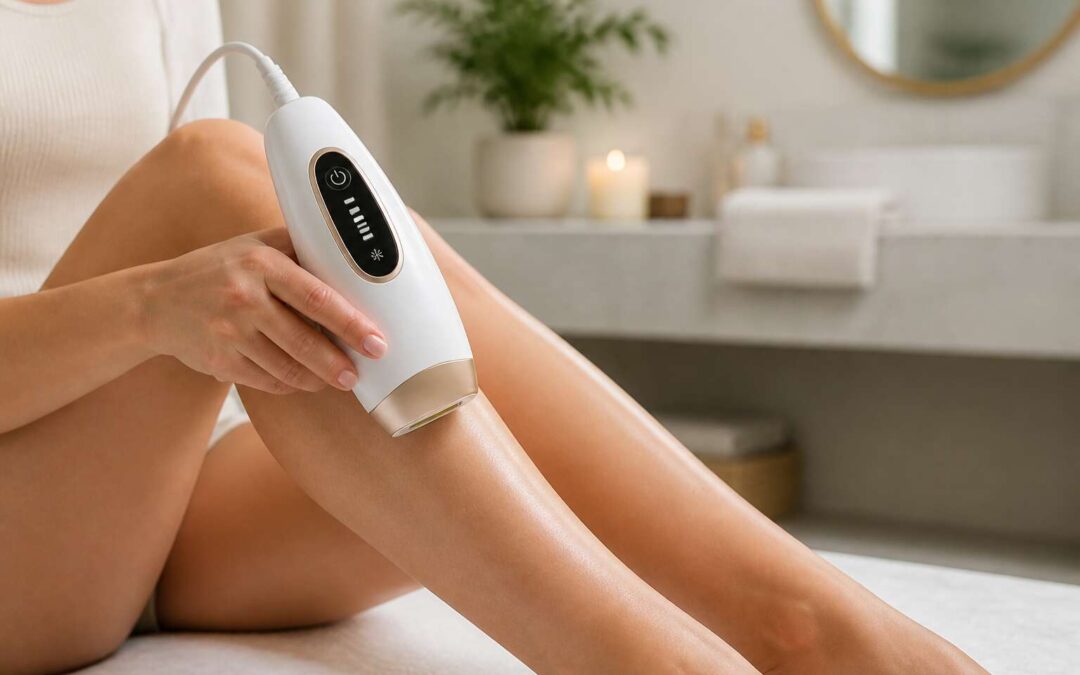
The question of is laser hair removal at home safe requires a closer look at the machinery itself. A handheld device is not a shrunken professional laser. It is a cautious, diminished thing.
Professional systems deliver energy pulses measured in joules per square centimetre, often double or triple what a home unit can produce. They use active cooling tips that shield the epidermis while the light reaches the follicle bulb. Home devices lower the fluence precisely because you are untrained. They rely on skin-tone sensors that refuse to fire on darker skin, a safety feature absent in clinical rooms.
The differences surface in practice:
- Clinical lasers reach the follicle bulb; home devices only graze the upper follicle.
- Professional cooling is active; home cooling is passive, waiting for your skin to absorb the heat.
When you ask is laser hair removal at home safe, lower energy diminishes results, not the hazards of eye damage or burns.
FDA Clearance and What It Really Means for Safety
In South Africa, you might assume an FDA clearance means a device has survived years of brutal testing. The truth is funnier. Most home lasers are Class II gadgets cleared via the 510(k) pathway. That route only requires proving the device is substantially equivalent to something already on the market, which itself may have been cleared for similarly breezy reasons. So when someone asks is laser hair removal at home safe, the FDA answer is more about resemblance than rigorous proof.
Here is what that clearance actually covers:
- It verifies the device fires within its claimed energy range.
- It confirms the skin-tone sensor refuses darker complexions.
- It does not test long term skin damage or eye safety in real living rooms.
That last point is where is laser hair removal at home safe becomes your problem, not the regulator’s. The clearance is a paperwork exercise. The genuine safety verdict arrives when you press that glowing window against your shin and trust a machine that cost less than a Johannesburg dinner out.
Skin Tone and Hair Color Limitations You Must Know
The technology inside these devices seems simple. A flash of intense pulsed light travels into the hair follicle, where melanin absorbs the energy and converts it to heat. That heat damages the follicle enough to pause growth. But the same melanin that makes this possible also creates the danger.
Your skin tone and hair color must sit in a narrow window. The device’s sensor checks for contrast. If your skin is too dark, it blocks the flash entirely. If your hair is too light, the flash passes through without effect. Consider the limits:
- Darker skin tones absorb the light meant for hair, risking burns.
- Blonde, red, grey, or white hair reflects the light, leaving follicles untouched.
So the answer to is laser hair removal at home safe depends on your specific complexion and hair shade. The machine is safe only for the narrow profile it was programmed to serve.
Potential Risks and Side Effects of Home Devices
Common Side Effects: Burns, Pigmentation, and Irritation
A home laser device delivers concentrated energy to your skin with every pulse. Burns are the most common complaint reported by South African users of home IPL and laser devices. The handheld applicator requires perfect skin contact. Miss a spot or linger too long, and you risk thermal damage.
Common side effects include:
- Superficial burns that leave temporary marks
- Post-inflammatory hyperpigmentation, which darkens the treated area
- Persistent redness and irritation that lasts for days
Pigmentation changes hit darker skin tones harder, even when the device claims otherwise. Melanin competes with the hair follicle for light absorption, and the device cannot always distinguish between the two. So, is laser hair removal at home safe? It depends on your discipline and skin tolerance. There is no universal yes. For many, it works without issue. For others, the margin for error is thin, and the consequences of carelessness show up on your skin.
Who Should Avoid At-Home Laser Hair Removal Entirely
Beyond the visible burns and pigment shifts, home devices carry subtler risks that surface only after repeated use. Paradoxical hypertrichosis, where hair growth actually increases, occurs most often in darker skin types. Skin barrier damage can invite bacterial infections that require antibiotic treatment. And the eye hazard is real, protective goggles only help if you actually wear them!
Some people should never ask is laser hair removal at home safe for their particular circumstances, because the answer is a firm no.
- Anyone on photosensitizing medication like isotretinoin or certain antibiotics
- Pregnant women, due to the absence of safety data
- Those with active eczema, psoriasis, or open wounds in the treatment area
- People with a history of keloid scarring
Hormonal conditions such as polycystic ovary syndrome also shift the risk calculus, since the question is laser hair removal at home safe becomes harder to answer when underlying triggers keep cycling. Professional guidance matters more than a device discount.
The Danger of Improper Technique and Eye Safety
The question is laser hair removal at home safe often ignores the true source of risk: the hand holding the device. Improper technique transforms a sleek tool into an agent of negligence. Angling the emitter incorrectly scatters energy across the skin, leaving uneven bands of thermal injury. Users chase stubborn follicles with repeated passes, layering pulses until the epidermis shows visible strain. The eye hazard compounds this recklessness. A single stray flash can sear retinal tissue before the blink reflex responds. Protective goggles only function when worn, and many discard them. Common technique failures include:
– Tilting the device instead of maintaining perpendicular contact
– Rushing through sessions without observing skin reaction between pulses
– Using maximum intensity on untested areas
Each misstep carries consequences. The answer to is laser hair removal at home safe rests in operator discipline, not marketing claims.
Signs of Skin Damage and When to Seek Medical Attention
Your skin will tell you when things go sideways, if you listen. Redness and mild warmth are expected after a session. Blistering, crusting, or weeping skin are not normal, they are alarms. If the treated area feels like a sunburn that refuses to fade after 48 hours, take notice. White or darkened patches that linger beyond a week signal pigment trauma. These moments make you ask, is laser hair removal at home safe for your skin.
Signs that demand medical attention:
- Blisters larger than a coin or oozing fluid
- Burns that darken or turn black
- Swelling accompanied by fever or chills
Please, do not smear butter or toothpaste on the damage. Call a dermatologist or visit your local clinic. South African summers are harsh enough without a healing wound. A doctor can prescribe burn care and prevent scarring. Ignoring signs turns a cosmetic misstep into a permanent reminder.
How Hormonal Changes Affect Treatment Safety
Hormones change how your skin behaves without sending a warning. During pregnancy, perimenopause, or PCOS cycles, melanin activity shifts and treated areas react unpredictably. New hair growth appears in fresh places while existing follicles enter different stages. Most home devices only disable follicles in the active anagen phase. When hormones disrupt that rhythm, you make more passes over the same patch, which raises the question: is laser hair removal at home safe under these conditions?
Skin sensitivity spikes with oestrogen fluctuations, so the energy level that felt fine last month may now sting. Hyperpigmentation risks climb, particularly on South African skin tones that already hold melanin. Watch for these warning signs:
- Worsening swelling after 24 hours signals a hormonal reaction, not normal warmth
- Hair roots darkening without hair falling out means the energy hit the wrong target
Safety Guidelines for Using At-Home Devices
Patch Testing: The Crucial First Step Before Full Treatment
Patch testing answers the question of is laser hair removal at home safe for your specific skin. It is the surest way to know before you commit to a full session.
Treat a small area, such as the inner arm, at the device’s lowest effective setting. Wait 24 to 48 hours. In my experience, redness that fades within hours is normal. Blistering, crusting, or darkening means your skin is not a candidate for that device.
- Use the same settings you plan for the actual treatment area
- Test each zone separately if skin sensitivity varies
- Document the reaction with photos
The patch test also reveals how the device interacts with your hair colour and density. A successful patch test reduces the chance of a severe reaction. For South African skin types, especially melanin-rich tones, this step is non-negotiable. When you ask is laser hair removal at home safe, the answer begins with a patch test.
Proper Skin Preparation and Shaving Practices
Most adverse reactions from home IPL devices trace back to preparation mistakes, not device failure. Shaving is the only acceptable hair removal before treatment. Waxing and plucking remove the follicle the laser needs to target, wasting energy and risking skin trauma.
Shave within 24 hours before your session. Use a clean, sharp razor. Dull blades cause micro-abrasions that amplify heat from the device. Wash with mild soap, then dry completely. Any lotion, deodorant, or perfume residue can absorb light energy and burn the surface. This is where I see South African users fail most.
- Shave the entire treatment area, including tricky edges
- Skip exfoliating scrubs for 48 hours beforehand
- Keep skin cool and completely dry before treatment
When you ask is laser hair removal at home safe, preparation answers more honestly than any marketing claim. Clean, shaven skin absorbs energy where it belongs. Device settings handle the rest.
Choosing the Right Device for Your Skin Type and Hair Color
Safety guidelines for at-home devices start with the manual. Each device has a specific pulse pattern, a cooling mechanism, and a skin sensor. Treat energy settings with restraint. Start low, listen to your skin, and climb gradually.
When asking is laser hair removal at home safe, choosing the right device for your skin type and hair color becomes a compatibility test. IPL devices flood skin with broad-spectrum light, while diode lasers target melanin with a focused beam. For darker South African skin tones, a skin sensor and lower fluence matter more than flash count.
- Skin sensor that auto-blocks high energy on darker tones
- Glide mode for large areas, stamp mode for knees and ankles
- Cooling tip to reduce surface heat
The honest answer to is laser hair removal at home safe lives in this alignment. A device that fits your profile, used with restraint, turns risk into routine.
Comparing At-Home Safety to Professional Treatments
Professional Oversight and Customized Energy Settings
The gap between clinical and home safety is measured in seconds. In a professional setting, a technician watches your skin’s response pulse by pulse and adjusts energy output in real time. At home, the device runs a preset program. No trained eye, no calibration to your specific reaction. This is why is laser hair removal at home safe depends on more than the box label.
Clinics also build a file. Your burn history, medication, and sun exposure sit on record. The operator selects fluence based on that history. Home devices treat every session as a fresh start, and that is where risk increases.
- Cooling applied before and after each pulse
- Energy titrated upward only once tissue tolerance is clear
- Immediate shutdown when a reaction looks abnormal
Your bathroom has none of those layers. So the honest answer to is laser hair removal at home safe is not a blanket yes or no.
Cost vs. Safety Trade-Offs You Should Weigh
The price gap between a clinic session and a home device feels vast. A single professional treatment in South Africa often costs more than the entire device in your online cart. That arithmetic pushes people toward DIY. But safety does not follow the same pricing logic. When you ask is laser hair removal at home safe, you are really asking what your budget buys in risk reduction.
Professionals pay for insurance, calibration, and a trained operator. Those costs land on your bill. At home, you trade those protections for convenience and repeatability. Consider the layers you forfeit:
- Real time skin observation with each pulse
- Medical grade cooling mechanisms
- Documented treatment history across sessions
Each layer sits between your skin and a burn. When someone asks is laser hair removal at home safe for their wallet, the answer leans yes. For their skin, I would say the savings function as compensation for lost oversight.
Long-Term Efficacy and Skin Health Considerations
Ask a dermatologist whether is laser hair removal at home safe and you will hear a careful pause. Safety extends beyond immediate burns. Long term efficacy depends on consistent energy delivery, which home devices cannot match. Professional treatments maintain a documented power output that at-home units lose as batteries degrade. That fading performance means regrowth often appears months later. The real test of is laser hair removal at home safe arrives later.
Skin health compounds this gap. Repeated underpowered pulses can irritate follicles without destroying them. Over time, that irritation may trigger post inflammatory hyperpigmentation, especially under South African UV exposure. Consider what accumulates across sessions!
- Cumulative melanin stimulation from missed targets
- Scarring from overlapping pulses on sensitised skin
- Delayed diagnosis of atypical moles hidden beneath treated areas
Each factor tilts the safety calculus. Professionals track these variables with calibrated equipment and trained eyes. Your bathroom mirror offers no audit.
Red Flags to Look for in Device Reviews and Claims
Professional clinics calibrate energy to your specific skin and hair within seconds. A home device cannot replicate that judgment. So is laser hair removal at home safe when the machine chooses the settings, not a trained eye? The margin for error narrows considerably.
Device reviews demand scrutiny. Look for claims that promise permanent results without mentioning maintenance sessions. That omission is a red flag. So is language that guarantees safety across all skin tones. The marketing department is not a dermatologist.
- Reviews that never mention patch testing
- Before and after photos with suspicious lighting
- Brands that dismiss pigmentation risks
When a review praises a device for being painless, ask whether that means low power. And low power means regrowth. The quiet truth is that is laser hair removal at home safe depends on who is holding the device and what they were told to ignore.
Expert Recommendations and Best Practices
Dermatologist Insights on Home Laser Safety
Dermatologists answer the question, is laser hair removal at home safe, with a measured silence. The devices hold clearance, but the hand that wields them introduces variables no laboratory test can predict. Skin elasticity, melanin density, and even the humidity of a Durban summer alter how energy disperses through tissue.
Their counsel centres on discipline. A consultation before first use is not excessive caution; it is prudence. Practitioners recommend you photograph your skin in natural light before each session, tracking the slow changes. They also advise you respect the device’s sensors, which are calibrated for specific Fitzpatrick types, not your hopes.
- Treat each pulse as a medical event
- Measure the exact pressure you apply
- Never chase results with overlapping flashes
The consensus holds that is laser hair removal at home safe when approached with the same gravity you would bring to a prescription medication.
Pre-Treatment Checklist for Maximum Protection
Before each session, experts recommend a ritual that borders on ceremony. Charge the device fully, because a weakening pulse delivers uneven energy. Wipe the treatment window with a lint-free cloth. These small checks transform a casual routine into a deliberate procedure!
Dermatologists advise a candid self-assessment before every pulse. Ask whether any rash, sunburn, or recent exfoliation compromises the surface. The question of is laser hair removal at home safe depends on this honest evaluation. A perfect device cannot compensate for skin in a compromised state. Practitioners answer is laser hair removal at home safe with one word, vigilance.
Practitioners suggest the following sequence.
- Shower at least two hours before treatment to allow skin to settle
- Skip lotions, oils, and deodorants on the target area
- Confirm your Fitzpatrick type against the device manual one final time
Each step narrows the margin for error, where most complications originate.
Post-Treatment Skincare and Sun Exposure Rules
After the final pulse, the skin enters a quiet recovery phase. Dermatologists suggest cooling gels with aloe vera and a bare minimum of products for the next 24 hours. The answer to is laser hair removal at home safe often pivots on what happens after the device clicks off. Fragile follicles need stillness, not stimulation. Skip retinol, acids, and fragranced creams until redness subsides.
Follow these sun exposure rules for the first week:
- Stay out of direct sunlight between 10:00 and 16:00, when UV index peaks in South Africa.
- Apply SPF 50+ even on overcast days, as melanin suppression lingers.
- Wear loose clothing over treated areas to avoid friction and sweat buildup.
Heat prolongs recovery. Hot showers, saunas, and gym sessions dilate blood vessels and worsen pigmentation risks. Practitioners answer is laser hair removal at home safe with reminders that disciplined aftercare matters as much as device settings.