
The Science Behind Laser Hair Removal
How Light Energy Targets Hair Follicles
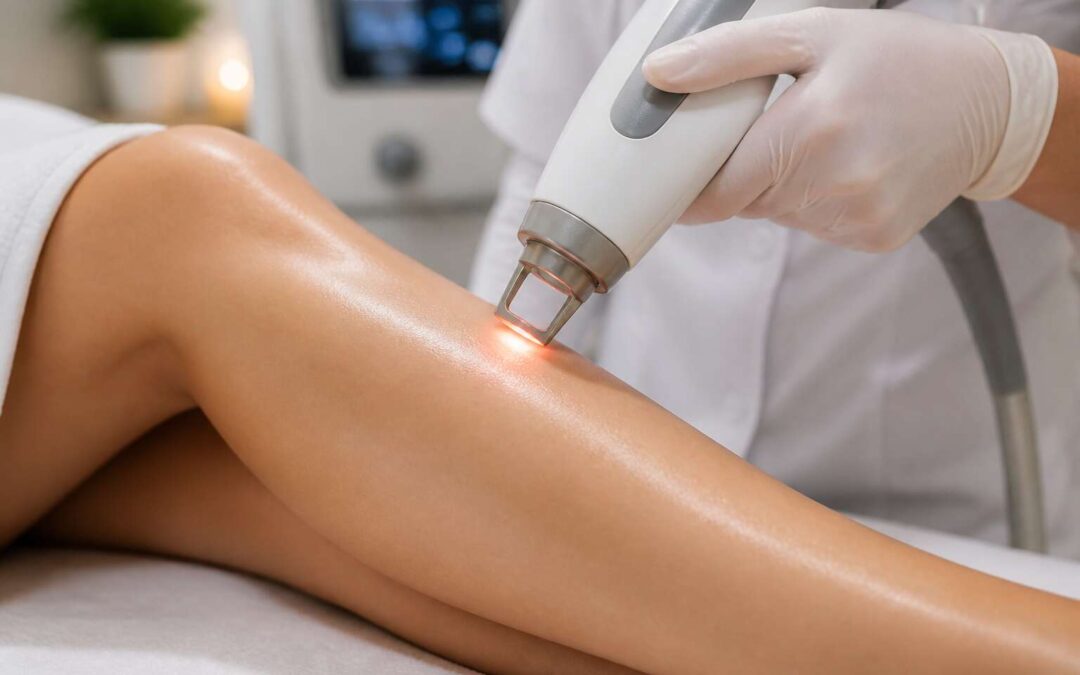
Selective photothermolysis is the quiet engine behind every laser session. Melanin inside the hair shaft absorbs concentrated light, which converts to heat and disables the follicle’s ability to regenerate. Technicians rely on this contrast between skin tone and hair pigment to calibrate the device precisely.
The process only works when follicles are in their anagen phase, the active growth window. Because hair grows in staggered cycles, a single treatment catches merely a fraction of strands. So, will laser hair removal work after one visit? Rarely. The honest answer depends on pigment and timing.
- Wavelength determines how deep the light penetrates
- Melanin concentration dictates how much energy gets absorbed
- Skin phototype influences how safely the heat disperses
Each session nudges more follicles into dormancy, which is why consistency matters more than intensity. Over time, regrowth becomes finer and sparser. What remains is barely visible!
The Hair Growth Cycle Explained
Only about 30% of your hair follicles sit in the anagen phase at any moment. The rest have moved into catagen or telogen. This uneven timing is why we insist on multiple appointments.
Each follicle cycles independently. Anagen lasts for years on the scalp but only weeks on the legs. Catagen is a short transition where the hair detaches from its blood supply. Telogen is the dormant period, during which the strand eventually falls out.
- Anagen: laser effective only here
- Catagen: follicle shrinks
- Telogen: rest before regrowth
So, will laser hair removal work if you only go once? Probably not! Your technician schedules sessions to align with this cycle. Over repeated visits, more follicles enter anagen, allowing the light to disable them permanently. Commitment to the full cycle brings the lasting result you want.
Why Multiple Sessions Are Necessary
Laser hair removal relies on selective photothermolysis. A precise wavelength heats the chromophore within the hair shaft, disabling the follicle’s regrowth. But the follicle must hold enough pigmented hair at exposure. Since the growth cycle staggers across your body, only a fraction of follicles are vulnerable in any single visit. So will laser hair removal work after one session? No. Repeated appointments let the light meet each follicle at its most receptive state. South African skin tones and hair textures influence how much energy is absorbed. One treatment disables perhaps a quarter of active follicles. The rest wait for their next growth phase. Each session targets a different cohort.
- hair shaft thickness
- follicle depth
- skin to hair pigment contrast
These variables determine the laser’s reach. Without multiple sessions, the follicle escapes damage, and the question of will laser hair removal work remains open.
What Happens During a Typical Session
The average session takes longer to book than to endure. You arrive, sign a form, and put on protective goggles. The clinician runs through a short sequence:
- Shaving the target area, so surface hair doesn’t steal the light.
- Swabbing on a cooling gel.
- Delivering a test pulse to set the fluence.
South African clinics tailor this calibration to Fitzpatrick skin types, so the device only disables the follicle, not the surrounding dermis. What follows is rhythmic. The handpiece pings with each pulse. The sensation is warm, sharp, and oddly tolerable. You feel the heat dissipate within seconds, and the clinician glides to the next patch. Afterward, your skin looks flushed. That redness is the follicle’s reaction, not a burn. The real question of will laser hair removal work resolves in the weeks that follow, as treated hairs shed and fail to regrow.
Factors That Influence Treatment Success
Hair Color and Skin Tone Considerations
Will laser hair removal work for every person? Not exactly. The outcome hinges on the contrast between hair and skin. Laser energy targets melanin, the pigment responsible for colour. Dark, coarse hair absorbs that energy readily. Light hair, whether blonde, red, or grey, reflects it poorly. That leaves many people disappointed!
Skin tone plays an equally decisive role. Elevated melanin in darker skin can divert the laser away from the hair follicle. This increases the chance of burns. Advanced systems, such as Nd:YAG lasers, now handle darker skin safely. Hormonal factors also intervene. Conditions like PCOS can make hair grow back despite proper treatment.
Keep these variables in mind:
- Hair thickness
- Hormone levels
- Recent sun exposure
Each variable shifts how your body responds, so the final outcome depends on your specific profile.
Hormonal Influences on Hair Growth
Hormonal shifts often decide whether the treatment holds. When oestrogen and progesterone fluctuate during pregnancy or menopause, follicles can ignore the laser’s signal. That leaves many patients asking will laser hair removal work when their own body fights the process.
Thyroid hormones, insulin resistance, and elevated androgens all disrupt follicle response. These conditions force follicles into a stubborn state where the laser cannot reach them effectively. Regrowth then appears weeks later, driven by hormonal interference rather than failed treatment.
Common hormonal culprits include:
- Polycystic ovary syndrome
- Corticosteroid use
- Unmanaged stress
Each factor alters the follicle’s response to the laser. So the treatment’s success is never purely cosmetic.
The Importance of Treatment Timing
The question, will laser hair removal work, often hinges on when you begin. South African sunlight is intense, and treated skin needs protection. Timing sessions for autumn or winter avoids the harsh UV exposure that can compromise results. Starting in cooler months often produces better outcomes.
Equally important is the interval between appointments. Waiting the recommended period, four to six weeks for facial areas and eight to twelve for the body, allows the laser to target follicles effectively. Rushing sessions will not speed results!
Consider these timing factors:
- Your schedule and ability to avoid sun exposure after each session
- Events or holidays, as a full course takes months
- Medication changes that might alter skin sensitivity
People who travel frequently or work outdoors face extra timing challenges. The question, will laser hair removal work, becomes a matter of coordinating treatment around these realities.
Choosing the Right Laser Technology
The equipment itself often decides the answer to will laser hair removal work. Older IPL devices lack the precision of modern laser systems. Alexandrite lasers, for instance, target lighter skin effectively, while Nd:YAG technology penetrates deeper and suits darker complexions. The diode laser offers a middle ground for many South African patients.
A clinic that relies on a single machine for everyone raises questions. The right technology matches your skin type, hair calibre, and even your pain tolerance. Adjustable pulse widths allow finer control, and integrated cooling systems reduce discomfort. Always ask which laser model the clinic uses and why it fits your specific profile.
Clinician Skill and Equipment Quality
The question of will laser hair removal work often comes down to the person holding the handpiece. A skilled clinician reads the skin’s response in real time, adjusting fluence and pulse duration to match each treatment area. They understand where the dermis thins over bony prominences and where higher energy is safe.
Equipment quality matters equally. Machines with consistent beam profiles and calibrated cooling systems deliver predictable outcomes. Poorly maintained optics scatter energy, which reduces effectiveness and increases risk.
Key indicators of a credible setup:
- Manufacturer training certificates displayed openly
- Regular calibration logs available for review
- Test patches performed before full sessions
These elements determine whether your sessions produce lasting results. Even advanced technology fails without an attentive operator behind it.
How Consistent Scheduling Affects Outcomes
Ask a seasoned practitioner whether will laser hair removal work and the answer often hinges on your punctuality at the clinic door. Missed appointments and stretched intervals quietly erode the cumulative effect of each session. The laser’s impact builds only when treatments land at the intended spacing, allowing successive visits to address newly emerging hair.
Consistent scheduling also gives your clinician the opportunity to read how your skin has reacted and refine the next pass. In South Africa, seasonal weather and holiday travel often derail treatment plans, so committing to a fixed calendar matters. Every skip or reschedule hands the hair follicle a head start, and that is how good intentions fail to deliver.
Assessing Your Candidacy for Laser Hair Removal
Understanding the Fitzpatrick Skin Type Scale
You might wonder, will laser hair removal work? The Fitzpatrick Skin Type Scale provides the definitive baseline for candidacy. This system classifies skin by its melanin response to ultraviolet light, from Type I, which always burns, to Type VI, which rarely burns. In South Africa, where solar intensity is fierce and skin tones span the entire spectrum, this scale separates hopeful expectations from clinical reality. My clinic sees clients who assume modern technology has removed all limitations. It has not. High contrast between hair and skin remains a critical factor.
- Light skin with dark hair offers ideal absorption of light energy.
- Darker skin types require specific laser wavelengths that spare epidermal melanin.
Your candidacy depends on this precise interaction. Without an honest Fitzpatrick assessment, you will not have the answer. Will laser hair removal work? That depends entirely on your skin’s classification.
Contrast Between Hair and Skin Color
Most people arrive at my practice asking one question: will laser hair removal work? They inspect their own arms before I even speak. This is the right instinct. Candidacy lives or dies by contrast.
Consider the pale-skinned patient with coal-black leg hair. The laser sees a perfect target, every follicle glowing against a sparse background. Now consider the inverse scenario. Blonde hair on olive skin offers almost no differential. The energy scatters rather than strikes. My colleagues in Cape Town see this daily.
- High contrast absorbs laser energy efficiently
- Moderate contrast demands a specialist wavelength
- Poor contrast often wastes your time and money
Test yourself under bright daylight. Whether your answer is relief or disappointment, you now know the truth.
Medical Conditions That May Rule You Out
Even with perfect contrast, the question “will laser hair removal work” takes on a different shape when medical conditions enter the picture. Photosensitivity disorders, such as lupus or porphyria, make the laser’s light a hazard rather than a helper. Active skin infections or open wounds in the treatment area force a pause, as the energy can spread irritation or delay healing.
Certain medications also complicate candidacy. Accutane or topical retinoids leave skin fragile and prone to scarring. A thorough medical history protects you from complications.
- Autoimmune conditions affecting skin
- Keloid scarring tendency
- History of cold sores in facial areas
Your clinician must rule these out before any treatment proceeds, ensuring the answer to your original question does not arrive with regret attached.
Questions to Ask During a Consultation
Only 38% of clients ever ask about the cooling system during their laser consultation. That small question often separates a comfortable experience from a painful one. To answer whether will laser hair removal work for your particular case, you must interrogate the practical details.
- What cooling method protects your skin during the pulse?
- Who operates the device and what qualifications do they hold?
- How does the clinic define a realistic outcome for your body area?
- What is their policy on maintenance sessions after the initial course?
These questions reveal competence. They also expose gaps in service. A confident practitioner answers without hesitation. The answer to will laser hair removal work becomes evident through their responses and demeanour.
What to Expect From Your Treatment Plan
Immediate Results After Your First Session
Most people notice something within days of their first laser session, but it rarely looks like smooth, bare skin. Treated hairs may shed over the next week or two. That shedding can feel like progress, yet the follicle remains intact! You might also feel mild redness or tenderness, which usually fades quickly.
A typical plan spaces sessions four to six weeks apart. Each visit only targets hairs in the active growth phase, so lasting change takes time. If you’re asking whether will laser hair removal work, the first session offers just a hint. Consider these immediate effects:
- Shedding of some treated hairs
- Mild redness or swelling
- No visible change in untreated areas
These reactions help your clinician adjust settings, but they don’t predict the final result. Real outcomes appear after several sessions, once the follicle is damaged enough to stop growing hair.
The Timeline for Visible Hair Reduction
A typical plan runs six to eight sessions spread over several months. You will not see dramatic changes after the first visit. Most clients first notice thinner, sparser regrowth around session three. By session five, patchy areas begin to smooth out. That is when you can answer will laser hair removal work with a cautious yes.
The exact timeline depends on your skin type, hair color, and treatment area. A general pattern emerges:
- Session one to two: minimal visible change beyond shedding
- Session three to four: clear reduction in hair density
- Session five to six: obvious smoothness in treated zones
- Session seven to eight: final results, with touch-ups later
Each interval allows new hairs to enter the active phase. Consistency matters more than any single session. If you still wonder will laser hair removal work, the schedule itself provides the proof.
How to Maintain Long-Term Smoothness
What to expect from your treatment plan goes beyond visible changes. Each visit builds on the last, and your skin may react differently each time. Some clients feel a warm sting, others barely notice it. The real work happens between sessions. You must shave before each appointment, avoid sun exposure, and follow aftercare instructions. This preparation directs how effectively the laser reaches each follicle.
For long-term smoothness, the effort continues after your final session. Dormant follicles can stir when hormones shift, which is why many clients return for an annual touch-up. To maintain results:
- Keep skincare simple and sun-safe
- Shave regrowth instead of waxing
- Schedule yearly maintenance visits
This routine does not guarantee perfection, but it extends the smoothness you have gained. So, will laser hair removal work? Yes, when paired with this level of commitment. Will laser hair removal work long term? Only if you respect the maintenance phase. Consistency decides the final outcome!
Managing Regrowth Between Appointments
Regrowth between appointments surprises many clients. The hair sheds gradually over two to three weeks, not instantly. This slow release makes some people question whether the treatment is working. It is working. The laser has damaged the follicle, and the hair is simply exiting the skin.
- Patchy stubble in scattered spots
- Fine hairs that pull out easily
- Shadow that fades as shedding completes
Shaving is the only safe option during this phase. Waxing or plucking pulls the root and disrupts the cycle the laser depends on. So will laser hair removal work? Yes, but only if you let each treated hair fall out naturally. Regrowth is not a sign of failure. It is the process working exactly as designed.
When You Might Need Touch-Up Sessions
You will see the biggest drop in hair after your third or fourth session, but the final result is never a single event. The follicle can recover slowly, especially if hormones shift or new hairs enter their growth phase. So will laser hair removal work? It will, but the answer depends on your willingness to return for touch-up sessions.
A treatment plan typically spans six to eight sessions, then maintenance visits every six to twelve months. You may also wonder will laser hair removal work if you skip a planned appointment. It does, yet the outcome takes longer to appear. I always tell clients to prepare for that upkeep. For example:
- Coarse dark hair needs fewer touch-ups
- Fine or hormonal hair needs more frequent top-ups
Most clinics schedule these based on your individual response. Missing a touch-up does not erase progress, it simply delays the final result.
Common Side Effects and How to Manage Them
Temporary Redness and Swelling
That flushed, tender feeling right after treatment is your skin telling you the laser worked. Temporary redness and mild swelling around the hair follicles are the most common side effects, usually appearing within minutes. This reaction confirms that the light energy targeted the root as intended. For most skin types, it subsides within a few hours to two days.
Cool compresses and plain aloe vera gel provide the quickest relief. Skip hot showers, saunas, and intense workouts for the first 24 hours. Keep the treated area clean and pat it dry gently.
If redness lingers beyond 48 hours, or if you notice blistering or unusual discomfort, contact your clinician. Otherwise, treat this phase as a passing moment. The long-term outcome, and the answer to whether will laser hair removal work, depends on consistent sessions, not this brief, manageable response.
Changes in Skin Pigmentation
The question of will laser hair removal work often stumbles over a quieter concern: changes in skin pigmentation. These shifts are not the dramatic blotches of folklore. They are subtle tan or pale patches that linger where the follicle absorbed energy too eagerly. In South Africa’s bright climate, sun exposure magnifies this reaction. Your melanocytes, the cells responsible for colour, can overproduce in response to heat or shut down temporarily.
Certain factors raise the odds:
- Deeper Fitzpatrick skin types, particularly IV to VI
- Recent self-tanner or sun exposure before a session
- A laser tuned to the wrong wavelength for your skin
These pigment changes usually fade within a few months. The skin’s own repair mechanisms restore balance, and a clinician can adjust future treatment parameters. For most people, the answer to will laser hair removal work remains positive, even when this transient discolouration appears.
Understanding Crusting and Blistering Risks
Despite its reputation for ease, laser hair removal occasionally surfaces with crusting or blistering, a more dramatic encore than temporary redness. These events signal that the follicle absorbed more energy than it could handle, often from an overly aggressive laser setting or sun exposure in the prior days. South Africa’s bright climate amplifies this risk.
Management demands patience. Keep the area clean with mild soap, apply a cold compress, and resist picking at crusts. Observe closely. Blisters beyond the treatment grid warrant a quiet conversation with your clinician. Note these triggers for concern:
- Blisters that weep or enlarge
- Crusts that remain painful after three days
- Redness spreading past the treated zone
Will laser hair removal work if crusting appears? It usually does. The question of will laser hair removal work depends more on your aftercare than on the incident itself. The body repairs, and subsequent sessions can be recalibrated with precision. Treat these marks as information, not failure.
Uncommon but Serious Complications
Some side effects are mild and short lived. A faint itch, a lingering warmth, or tiny hair-like bumps known as folliculitis can follow a session. These need little more than patience and gentle cleansing, usually settling within days.
Uncommon complications demand faster attention. Scarring, infection, or paradoxical hypertrichosis, where the treatment encourages new growth, remain rare. This last one often appears with hormonal imbalance and requires honest reassessment. Will laser hair removal work in these cases? The answer rests on your clinician’s adjustment and your aftercare.
Signs that require urgent review:
- Soreness that worsens rather than fades
- Pus or an open wound at the treated site
- New hair growth in surrounding areas
Most common side effects resolve by themselves. The question of will laser hair removal work for you hinges on your body’s pattern over multiple sessions.
Tips for Getting the Best Possible Results
Preparing Your Skin Before Each Session
Before your appointment, the state of your skin largely determines how effectively the laser can do its work. Shave the treatment area 24 hours prior with a fresh razor to prevent irritation. Avoid waxing, plucking, or threading for at least four weeks, since the laser needs the hair root intact to disable it. In my experience, the question of will laser hair removal work often comes down to this preparation discipline!
On the day itself, arrive with clean, dry skin, free of lotions, deodorants, or sunscreen. These products absorb laser energy and can cause surface burns. If you have sensitive skin, a cool shower works well, but skip hot water, which inflames the follicles.
- Skip self-tanning products for two weeks before each session
- Tell your clinician about new medications or skin reactions
- Wear loose clothing to avoid friction on the treated area afterwards
Post-Treatment Skincare Best Practices
After the laser’s final snap fades, your skin enters a quiet, vulnerable hour. In South Africa’s fierce ultraviolet light, this is where the battle for clear results is truly won. I have seen patients undo their sessions with a single hasty beach visit. Your post-treatment ritual should be monastic: cool compresses, plain aloe, and zero friction.
Moisturize twice daily with fragrance-free cream.
Avoid hot showers, saunas, and vigorous exercise for 48 hours.
Apply SPF 50+ religiously, even on cloudy days.
The question of will laser hair removal work always echoes in this aftercare. Neglect it, and the follicle may recover. Honour it, and the hair’s retreat becomes permanent. Trust the process, but respect the aftermath.
Why Shaving Is the Only Safe Pre-Treatment Method
Ask any technician whether will laser hair removal work and they will first ask how you prepared. The laser targets pigment inside the follicle. Hair above the surface absorbs energy and scatters it, weakening the treatment.
Shaving is the only safe pre-treatment method. It removes the visible hair while preserving the root. Waxing, plucking, and threading pull the follicle out entirely, leaving nothing for the laser to destroy.
- Shave within 24 hours before your appointment.
- Use a clean razor and gentle pressure.
- Skip lotions, deodorants, and creams on treatment day.
A clean shave keeps the skin cool and the light focused. That focus determines whether will laser hair removal work over time. Preparation is not a ritual; it is the difference between a session that counts and one that only stings.
Lifestyle Habits That Support Better Outcomes
Sustained results depend on factors beyond the treatment chair. Your body’s hormonal environment and recovery capacity directly influence whether will laser hair removal work as expected. Chronic stress elevates cortisol, which can trigger dormant follicles back into anagen phase, complicating your progress. Prioritising sleep allows the skin’s repair mechanisms to function properly between sessions.
Nutrition also matters. Iron deficiency and low vitamin D levels are linked to weaker hair cycles, and improving these markers supports deeper follicular response. Sun exposure, especially in South Africa’s climate, increases melanin activity in the skin, creating unintended targets for the laser. Consistent broad spectrum sunscreen use protects the contrast the laser depends on.
Recognizing When to Pause or Stop Treatment
Tracking your sessions is a quiet ritual. You cannot rely on memory to judge progress because reduction happens in incremental shifts. Keep a simple log and take photos under the same lighting. This reveals whether will laser hair removal work for your pattern. Sometimes the answer is slow thinning, not elimination. That counts.
There are moments when pausing is correct. If you notice paradoxical growth, where finer hairs appear, stop and consult your clinician. Persistent pigment changes lasting weeks also warrant a break. Your skin’s response is the authority. The real measure of will laser hair removal work is your skin’s tolerance, not the absence of regrowth.
- Pain that feels different from a session
- Blisters that keep spreading
- No visible change after four sessions
Respect those boundaries! Continuing against your body’s signals is a mistake you cannot afford.