
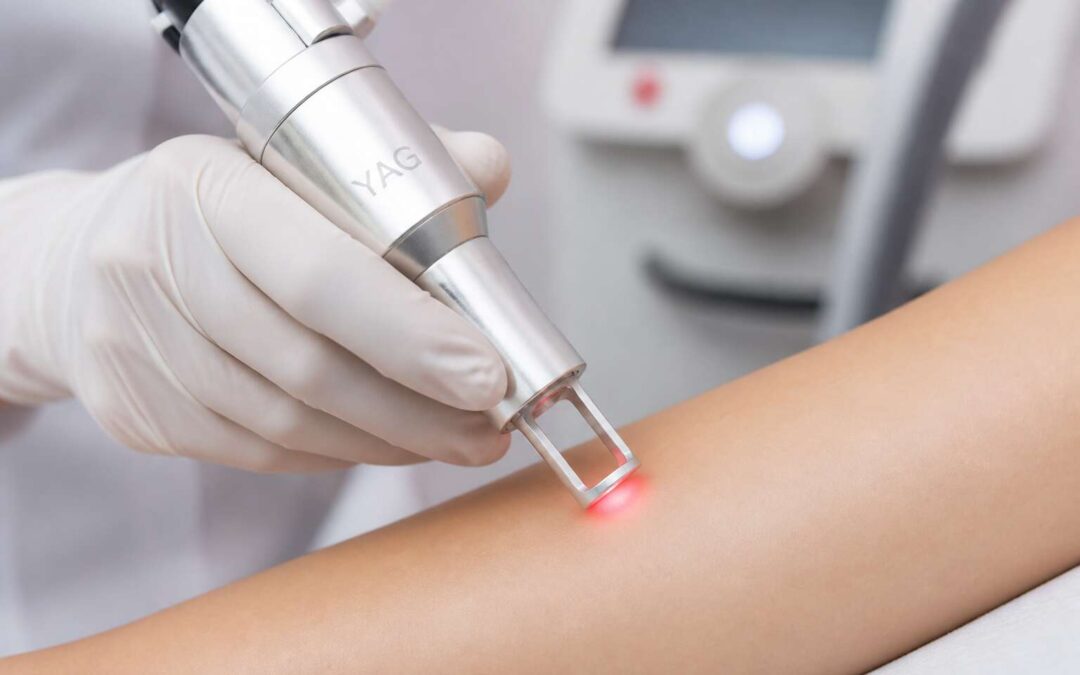
Understanding YAG Laser Technology
How 1064nm Wavelength Targets Hair Follicles
With nearly 20% of South African adults seeking laser hair removal, understanding the mechanics matters. The YAG laser operates at a 1064nm wavelength, a specific frequency that melanin absorbs eagerly. This energy converts to heat, damaging the follicle without harming surrounding skin.
The beauty of 1064nm lies in its depth. It bypasses superficial layers, reaching the dermis where follicles reside. That makes it a go-to for darker skin tones, a common concern here. For those wondering how does yag laser hair removal work, it’s a precise thermal dance.
- Melanin targets the bulb directly
- Heat disrupts regrowth cycles
- Long wavelengths reduce surface damage
Each session catches follicles in anagen phase, so repetition is inevitable. The process is clinical, effective, and remarkably safe.
The Role of Melanin and Selective Photothermolysis
There is a quiet science behind every laser pulse. The YAG laser uses a neodymium-doped yttrium aluminium garnet crystal, excited by flashlamps to release coherent light. The question of how does yag laser hair removal work comes down to selective photothermolysis, a term worth understanding.
Selective photothermolysis means choosing a wavelength the target absorbs preferentially, then delivering it in a pulse shorter than the target’s thermal relaxation time. Melanin, the pigment inside the hair shaft, is the chromophore. It absorbs 1064nm energy rapidly. The follicle heats up faster than the surrounding dermis can dissipate heat, so damage stays contained.
Each pulse is a calculated event. Three variables determine the outcome:
- Fluence, the energy delivered per square centimetre.
- Pulse width, the duration of each exposure.
- Spot size, the diameter of the beam on the skin.
These parameters dictate how deep energy penetrates and how much heat accumulates. Too little energy, and the follicle survives. Too much, and the skin suffers. The margin is narrow!
Differences Between YAG and Other Laser Types
The YAG laser’s 1064nm wavelength sets it apart from the 810nm diode and 755nm Alexandrite. The longer wavelength penetrates deeper, scattering less in the dermis. For South African skin, which often carries higher epidermal melanin, this reduces the risk of surface burns while still heating the follicle effectively.
Other lasers absorb heavily in the pigment, making them risky for darker skin. The YAG, however, balances absorption and depth. Its lower melanin absorption coefficient means the energy goes to the bulb, not the epidermis.
- Diode: shorter wavelength, faster sessions, but limited on tanned skin
- Alexandrite: high absorption, great for pale skin, but higher burn risk
- YAG: deepest penetration, suitable for all skin types
The question of how does yag laser hair removal work becomes clearer when you see the geometry. Each pulse is calibrated to hit the follicle’s base without disturbing the surrounding tissue.
The Treatment Process Explained
Pre-Treatment Consultation and Skin Typing
In a country like South Africa, where the sun is both a gift and a challenge, a consultation is not merely a formality. It is the foundation of the entire process. Before we ever run a handpiece over the skin, I need to understand the canvas. We begin with a detailed skin typing assessment, the Fitzpatrick scale being our primary guide. This analysis determines the specific parameters for the laser, ensuring the energy is calibrated for your melanin concentration. We also review your medical history and recent sun exposure, as a tan can alter the way your skin reacts.
Once we have established your skin type, we move to the practicalities of the treatment itself. This is a crucial moment for setting expectations, as the sensation differs for everyone. Most people describe it as the snap of a rubber band against the skin, a sharp but fleeting sting. High-end machines use a cooling tip to soothe the area, making the experience more tolerable.
– Preparation: The area is shaved to prevent surface hair from burning.
– The Pulse: A burst of 1064nm energy penetrates deep into the dermis.
– Intensity: The technician adjusts the spot size and fluence based on your skin type and hair thickness.
– Cooling: A chilled tip follows the laser pulse to protect the epidermis.
The process is methodical, each pulse targeting the follicle beneath the surface. The entire session feels like a focused, rhythmic choreography, not a frantic scramble. This is the reality of how does yag laser hair removal work in practice, a measured and precise application of science rather than a blind blast of heat. The immediate goal is not to singe the skin, but to disable the growth centre with a steady, calculated application of light.
Setting Expectations: Number of Sessions Required
Durable results demand patience. No laser clears a follicle in one sitting. Hair grows in cycles, and only a fraction of follicles are in the active growth phase at any moment. The YAG destroys only those. The rest stay dormant, waiting to surface weeks later.
This is where how does yag laser hair removal work informs your timeline. Each session catches a new batch of active hairs. Miss the dormant ones, and they return.
Most patients need six to eight sessions, spaced four to six weeks apart. Legs and arms often fall on the lower end. The face, especially a beard, may require ten or more. Your skin type and hormone profile shift the count.
The rest between sessions is not delay. It is strategy. Dormant follicles rise into the laser’s range, making the next visit effective. Each treatment thins hair and extends the pause before regrowth.
What Actually Happens During a YAG Session
Your first YAG session begins with a cold gel. The technician calibrates the handpiece to your skin type. Then the laser emits pulses that travel beneath the surface, heating the follicles while the cooling tip protects the dermis.
- The area is cleansed and marked.
- A test pulse is applied at low energy.
- The full treatment follows in overlapping passes.
Wondering how does yag laser hair removal work while you lie there? Each pulse lasts a fraction of a second. You feel a warm sting, not pain. After twenty minutes, the session ends, and the skin shows slight redness that fades by evening. The cooling tip keeps the surface comfortable throughout.
Post-Treatment Care and Immediate Effects
Once the handpiece lifts, the next phase begins. A light rosy flush and a faint warmth often persist for an hour! Tiny bumps may appear around the hair shafts, but they settle within a day. The treated zone feels tender at first.
I find that post-treatment care shapes your results. For 48 hours, the skin requires gentle handling:
- Skip hot showers and intense exercise.
- Use lukewarm water and a fragrance free cleanser.
- Avoid sun exposure and exfoliating acids.
Over the next two to three weeks, the dark tips of treated hairs push out and shed. This is the follicle releasing the hair, not regrowth. That is how does yag laser hair removal work after the session. The immediate effects fade while the change continues.
Efficacy and Safety Considerations
Who Makes the Best Candidate for YAG Laser?
With any cosmetic procedure, the million-dollar question is simple: will it work for me, and will it hurt? Let’s untangle the safety and suitability web, because YAG lasers are not a universal magic wand, though they come close. The 1064nm wavelength is remarkably forgiving on melanin-rich skin, which is why it has become the gold standard in South Africa where diverse skin tones are the norm. It bypasses the epidermis to target the follicle, reducing the risk of burns or pigment changes more readily associated with other lasers.
This focus on the deeper dermis makes the YAG laser safe for tanned skin and darker phototypes. However, safety hinges on the operator’s skill and the laser’s settings; a poorly calibrated machine can still cause discomfort, so the calibre of your technician matters more than the brand of the device. Your pain tolerance and skin sensitivity are the real variables in the room.
Who Makes the Best Candidate?
The ideal candidate has coarse, dark hair and a lighter skin tone. Yet, the YAG lasers true claim to fame is its ability to work safely on deeper skin tones, where other lasers falter. If your hair is fine, vellus, or blonde, the laser has nothing to grasp; the contrast is too low for the light to transfer into heat effectively. Those with a history of keloid scarring or active infections in the area should avoid treatment until cleared by a professional.
For the rest of us, the criteria are fairly straightforward. You need to have hair in the anagen (growth) phase, which is why multiple sessions are necessary. You should also have realistic expectations, understanding that the laser reduces hair growth, but it may not achieve permanent, glass-smooth removal on every follicle. Here is the shortlist for a successful candidate:
- You have dark, coarse hair on a lighter base.
- You have a deeper skin tone but are not heavily tanned at the time of treatment.
- You have not waxed or plucked the area for at least four weeks prior.
- You are committed to a full course of sessions, not just a single zap.
Effectiveness is a partnership between the technology and your biology. While iPL and diode lasers often require strict skin type boundaries, the YAG allows for a wider berth. However, do not assume that “safe for dark skin” means “safe for disregarding aftercare.” The immediate post-procedure window is critical for cooling and calming the skin to prevent thermal damage. If you follow the specific timing and intervals recommended by your practitioner, you can mitigate most of the potential side effects, such as transient redness or follicular oedema. The real danger lies in the myth that this is a zero-risk procedure; it is a medical treatment, not a spa massage. Always ask how does yag laser hair removal work on your specific skin type during a live consultation, as printed brochures often fail to mention the nuances of individual response.
Pain Management and Comfort Levels
Efficacy is a measured outcome, not a marketing claim. When you ask how does yag laser hair removal work on your own skin, the answer involves the depth of the 1064nm beam and the timing of your growth cycle. Clinical results show a 70 to 90 percent reduction after six sessions, but only if the technician adjusts fluence for your phototype. Safety hinges on epidermal cooling. I have watched operators rush this step, and the consequence is transient hyperpigmentation, particularly on deeper complexions.
Pain management has evolved considerably. Modern devices use contact cooling to chill the dermis before the pulse arrives. Most clients describe the feeling as a warm snap, not a burn. For the upper lip or bikini line, a topical anaesthetic helps. Tell your technician when the sensation feels sharp, because that feedback allows immediate adjustment. The goal is tolerable discomfort, never agony, and that distinction makes all the difference!
Common Side Effects and How to Mitigate Them
Understanding how does yag laser hair removal work means accepting that efficacy and safety are two sides of the same coin. The 1064nm beam delivers strong clearance, but the skin’s response depends on epidermal protection. Temporary redness and swelling are the most common reactions, fading within hours. Pigment shifts occur when cooling is inadequate or fluence is mismatched to phototype.
Mitigation is straightforward:
- insist on a test patch before the first full session
- avoid sun exposure for two weeks before treatment
- use broad spectrum sunscreen daily on treated areas
These steps are not optional extras. They protect the deeper layers that the laser targets. In Johannesburg’s strong UV climate, the margin for error narrows. A skilled operator will review your history and adjust settings accordingly. That vigilance turns a routine treatment into a reliable outcome, and it is the difference between glowing skin and lasting regret.
Long-Term Results and Hair Regrowth Patterns
Years after the final session, the results become clear. Understanding how does yag laser hair removal work requires accepting that permanent reduction, not absolute removal, is the realistic outcome. The 1064nm beam disables active follicles, but dormant ones can awaken months later.
Efficacy and safety considerations are linked. Long term results depend on treating follicles during the correct growth phase. Regrowth usually appears finer and lighter, often triggered by hormonal shifts or medications.
- Some hairs may return within six to twelve months
- New growth is typically sparse and thinner
- Yearly maintenance sessions preserve the smoothness
This pattern is expected. The wavelength’s depth provides an advantage over superficial methods, yet biology always has the final say.
Comparing YAG with Intense Pulsed Light (IPL)
In the debate of how does yag laser hair removal work against intense pulsed light, the difference rests on precision. IPL fires a broad spectrum flash into the skin, scattering energy across multiple depths. The YAG’s 1064nm beam concentrates on the follicle’s melanin, leaving surrounding tissue untouched.
- IPL needs more sessions for comparable results
- YAG treats deeper follicles with less collateral damage
- Side effects from IPL appear more often on sun-exposed skin
For darker skin tones, common in South Africa, IPL carries a higher risk of burns because it cannot distinguish between hair pigment and epidermal pigment. The YAG bypasses that danger, making it safer for a wider range of patients. Efficacy follows the same line; the targeted wavelength reaches the dermis without competing with surface melanin.
Preparing for YAG Laser Hair Removal
How to Choose a Qualified Clinician
Preparing for YAG laser hair removal asks for discipline more than mystery. I tell clients to stop waxing and plucking four weeks beforehand, because the follicle must remain intact for the laser to lock onto it. Shaving is allowed, even encouraged, the day before. Sun exposure complicates everything. Tanned skin steals light energy from the hair follicle, so stay out of the sun for two weeks prior to your session.
Choosing a qualified clinician matters more than the machine brand. The YAG’s 1064nm wavelength works well on darker skin, but only in competent hands. Look for someone who reviews your medical history, performs a small patch test, and explains how does yag laser hair removal work without jargon. A practitioner who hurries through consultation should give you pause. The right professional will also discuss pain management and realistic outcomes before you commit. Trust your instincts.
Cost Analysis: Is YAG Worth the Investment?
The cost of YAG laser hair removal often feels like a shock at first consultation. A single session in Johannesburg or Cape Town can set you back anywhere from R800 to R1,500 depending on the treatment area. Clients frequently ask if the price justifies the outcome, especially when a full course requires multiple visits over a year.
Consider what you spend on temporary fixes. That is where the value of understanding how does yag laser hair removal work becomes clear. The technology targets the follicle directly, which means each session produces permanent reduction rather than a three week reprieve.
– Monthly waxing: R300 to R600 per area
– Razors and creams: R100 to R200 monthly
– Ingrown hair treatments: R150 to R400 per product
Spread the laser cost over five years and the math begins to favour the upfront investment. I often point out that the precision of the 1064nm wavelength reduces waste, every pulse works toward a lasting result. Your skin’s patience with the process pays off in ways that your bank account will acknowledge later. The real question is not whether YAG costs more, but whether you can afford to keep paying for temporary solutions indefinitely.
Pre-Treatment Do’s and Don’ts
Preparing properly makes a measurable difference in how your skin responds. Understanding how does yag laser hair removal work helps you respect the preparation rules, because the laser needs a clear path to the follicle. I always tell clients to shave the area 24 hours before the session. That keeps the surface smooth without disturbing the root.
Skip waxing, tweezing, and bleaching for at least four weeks prior. These methods remove the hair shaft, which leaves the laser with nothing to target. Also avoid sun exposure and self-tanning products for two weeks before treatment. Tanned skin absorbs the 1064nm wavelength differently, which increases the risk of burns.
- Arrive with clean, dry skin free of lotions and deodorants.
- Wear loose clothing to prevent friction after the session.
- Inform your clinician about any new medications or skin reactions.
Following these steps reduces complications and helps each pulse do its job efficiently.
What to Wear and How to Prepare Your Skin
Your outfit directly affects the laser’s accuracy. Tight denim or compression leggings flatten the skin surface, which can deflect the 1064nm wavelength. I tell every Johannesburg patient to wear loose cotton shorts or a flowing skirt. That simple choice keeps the follicle accessible and the pulse consistent. Understanding how does yag laser hair removal work begins with respecting the path from the handpiece to the root.
Skin preparation is just as critical. Shower with plain water and skip all moisturisers, sunscreen, or deodorant on the treatment zone. Any residue acts as a barrier, scattering the energy before it reaches the dermis. Also shave within 24 hours, but avoid harsh scrubs for two days. Freshly shaved skin allows even absorption, while abraded skin increases discomfort.
- Wear loose fitting garments that allow airflow
- Choose natural fibres like cotton or linen
- Bring a change of clothes if your clinic is warm
Simple choices make the session faster and just a touch more comfortable.
Managing Expectations: Realistic Timelines
The wait between sessions feels tedious, but it is a biological necessity. Understanding how does yag laser hair removal work reveals that the laser only targets follicles in their active growth phase. The dormant ones remain untouched until they cycle back around, which is why we schedule your next visit weeks apart.
During that gap, you will see a gradual shedding, not instant smoothness. Patience is essential! I always warn my Johannesburg clients to avoid tweezing between visits, as that disrupts the natural cycle we are trying to synchronize. Here is what a realistic timeline looks like:
- Weeks 2 to 3: Shedding phase begins
- Month 1: Patchy regrowth appears
- Month 2 to 6: Progressive thinning with each visit
This rhythm demands persistence, but the steady reduction in density makes every skipped shave worthwhile.
Questions to Ask During Your Consultation
Your consultation is the moment to probe the clinician’s understanding of how does yag laser hair removal work. Ask directly about their experience with your skin type and hair texture. Request specifics on fluence settings and calibration for different body areas. Enquire about the cooling system.
- How many YAG sessions have you performed on darker skin tones?
- What fluence settings do you recommend for my profile?
- How do you adjust if I experience adverse effects?
A decisive answer indicates real expertise. Vague responses deserve caution. Your consultation should leave you confident in the plan ahead.
Advanced Tips and Aftercare for Optimal Results
Sun Exposure and Depigmentation Risks
South Africa’s intense UV index makes this a central concern. Sun exposure after YAG treatment undermines how does yag laser hair removal work at a cellular level. UV rays reignite melanocyte activity precisely where the laser suppressed it, creating a conflict between healing and pigment production. Depigmentation risks emerge when this conflict goes unresolved for weeks.
Advanced aftercare treats the treated zone as compromised tissue. Physical SPF 50+ blockers, reapplied every two hours, are the minimum. Clinicians also advise avoiding peak UV hours entirely for the first fortnight, particularly for darker skin tones whose pigment cells respond aggressively to inflammation.
- Report any patchy lightening before your next session.
- Reschedule if you cannot guarantee shaded conditions.
What you avoid during recovery matters more than what you apply. Sun exposure does not simply fade results. It changes the skin’s response to future sessions.
Maintenance Sessions and Reducing Regrowth
The interval between sessions functions as the primary driver of long term success. Each YAG treatment disrupts active follicles, yet those in telogen, or resting phase, remain untouched. Maintenance sessions exist to catch these dormant hairs as they cycle back into anagen, the growth phase, which explains why strict adherence to scheduled visits outweighs any other factor in reducing regrowth.
Clinicians in South Africa typically space sessions four to six weeks apart for the face and eight to ten weeks for the body. A useful reference for maintenance spacing includes:
- First year: every 6 to 8 weeks to target emerging hairs
- Second year: every 3 to 4 months to sustain suppression
- Thereafter: only when visible regrowth appears
What you do between these appointments alters the follicle’s response to subsequent laser pulses. Avoiding chemical exfoliants and retinoids near the treated zone for several days before each session keeps the skin barrier intact, allowing the 1064nm wavelength to penetrate with precision. This ongoing dialogue between your habits and the laser’s mechanism shapes how does yag laser hair removal work on a practical level. The technology remains consistent, but your biological cooperation determines whether regrowth returns as a whisper or a shout.
Integrating YAG with Skincare Routines
The interval between sessions is not merely a calendar obligation. Your skincare routine in the days after treatment dictates how deeply the 1064nm wavelength penetrates the next time. The practical answer to how does yag laser hair removal work unfolds in the daily choices made at home.
Retinoids and acids must rest for at least three days before and after each appointment. They strip the stratum corneum, leaving the follicle exposed to unnecessary irritation. Focus instead on ceramide-rich creams and a gentle cleanser. The skin should feel calm, not reactive.
- Delay exfoliation for three days following treatment
- Use lukewarm water on the treated zone
- Apply a mineral sunblock with zinc oxide every morning
The laser delivers energy, but your barrier function decides whether that energy becomes suppression or inflammation. A compromised barrier scatters the beam. An intact one channels it straight to the dermis. That distinction separates lasting results from recurring growth.
When to Seek Professional Advice for Adverse Reactions
The real question of how does yag laser hair removal work often gets answered in the waiting room, not the treatment bed. Your diligence after each session determines the gap between good outcomes and exceptional ones. Heat dissipates slowly from the dermis, so treat the area like a sunburn for the first day. Cold compresses work wonders, but skip the ice packs directly on skin. That aggressive approach causes more harm than the laser ever could.
Professional advice gets complicated when you have pre-existing conditions or medication that alters healing. Keloid scarring, active infections, or a history of cold sores in the treatment zone require a clinician’s input before any energy touches your skin.
- Persistent crusting beyond five days signals trouble
- Blistering that spreads or weeps demands attention
- Significant pigment loss in one concentrated spot needs evaluation
- Fever or chills following treatment warrant immediate contact
Trust your instincts. If something feels swollen, tender, or just plain wrong beyond forty eight hours, call your clinic. A quick phone consult costs nothing and prevents long term regrets. Your clinician has seen the spectrum of healing responses, and knowing when to raise the alarm keeps your skin safe.