
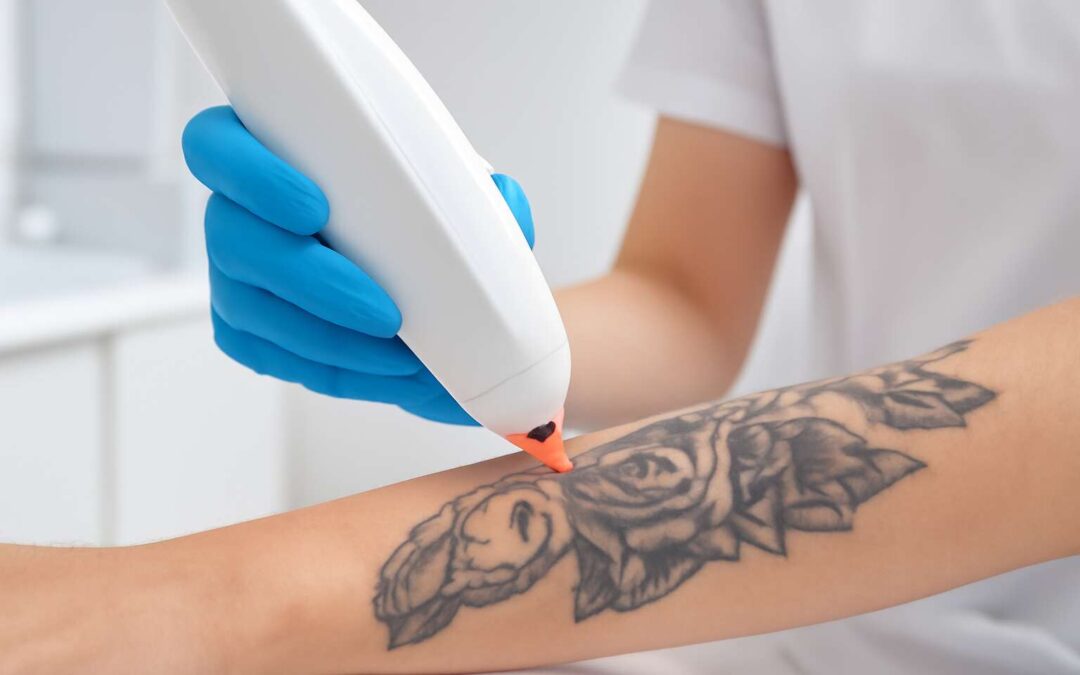
Planning considerations for laser hair removal near tattoos
How laser interacts with tattoo ink and why it matters
A sharp beam skimming over tattooed skin carries promise and risk alike. For laser hair removal with tattoos, the ink can guide or distort the laser’s path, shaping outcomes in ways you’ll want to understand before you book.
Planning hinges on the tattoo’s placement, ink colors, and the tattoo’s age. South Africa’s diverse skin tones and hair targets also steer expectations, since different pigments respond to energy in distinct ways.
- Tattoo ink colors and density
- Age and condition of the tattoo
- Proximity to the treatment area
- Skin type and scarring history
Pigment molecules absorb light and convert energy to heat; black ink absorbs broadly, color inks respond differently, and some fading can occur. The interaction matters for outcomes when laser targets hair near inked skin.
Tattoo ink colors and their impact on treatment
Ink is a stubborn compass, guiding light and testing risk in equal measure. Planning for laser hair removal near tattoos hinges on placement, ink colors, and the tattoo’s age, a triad that shapes what’s feasible in practice. In South Africa’s mosaic of skin tones and hair targets, pigment behaves differently, and expectations must adapt to the spectrum of ink and skin.
Tattoo ink colors and their impact on treatment are not just a curiosity but a clinical variable. Black ink absorbs broadly; color inks respond in nuanced ways, and fading can occur with repeated exposure. For those pursuing laser hair removal with tattoos, proximity to the treatment area and the tattoo’s density further complicate heat diffusion and follicle targeting.
- Tattoo ink colors and density
- Age and condition of the tattoo
- Proximity to the treatment area
- Skin type and scarring history
Choosing wavelengths for tattoo-safe sessions
Across South Africa’s clinics, tattoo ink isn’t just art—it’s a heat map for your next laser session. Planning laser hair removal with tattoos requires weighing placement, ink density, and the tattoo’s age, all while respecting your skin type.
To keep things tattoo-safe, practitioners often lean on wavelengths like 1064 nm Nd:YAG. This longer wavelength tends to pass through tattoo pigment rather than saturating it, reducing the risk of ink heating while still targeting hair follicles. In a country of diverse skin tones, tailoring to your complexion matters.
- Wavelength strategy tailored to ink geometry and pigment absorption
- Temperature control and cooling protocols to protect both skin and ink
- Coordination with a tattoo artist and timing considerations in the clinic schedule
Ultimately, laser hair removal with tattoos should be viewed as a collaboration between clinician and client, balancing aesthetics with risk.
Pre-treatment safety and skin preparation
Planning around tattoo ink isn’t just art—it’s a heat map your laser has to read. For laser hair removal with tattoos, pre-treatment safety starts with how you map the area and prep the skin. Shave the treatment zone the day before and avoid creams or oils on the morning of your session. Share ink placement with your clinician and coordinate with your tattoo artist to time sessions when the tattoo is settled.
On the day of treatment, limit sun exposure in the weeks before and after. Disclose any recent tattoo work and skin sensitivities so the clinic can tailor cooling and pacing to your complexion. That careful planning matters in laser hair removal with tattoos, especially in South Africa.
- Ink geometry and recent touch-ups discussed with the artist.
- Pre-session hygiene is integrated into clinic protocols.
- Scheduling aligns with the ink’s healing timeline.
Who should avoid tattoo-area treatments and why
Planning around ink isn’t just aesthetics—it’s a heat map your laser reads. For laser hair removal with tattoos, timing and placement determine how safely energy interacts with pigment and skin. A clear plan isn’t optional; it preserves comfort and pigment integrity.
Who should avoid tattoo-area treatments and why?
- Active infection or open wounds in the tattooed area.
- Very recent tattoo work that hasn’t fully settled.
- Severely sunburned or heavily tanned skin in the target zone.
- Pregnancy or breastfeeding, until cleared by your clinician.
Beyond eligibility, plan around ink healing timelines and coordinate with your tattoo artist to align sessions after the ink has settled. In South Africa, sun exposure and outdoor living can complicate healing, so clinics often tailor cooling and pacing accordingly.
With proper mapping and open communication about recent touch-ups, laser hair removal with tattoos becomes a safer, smarter option for your skin and schedule.
Tattoo-aware laser hair removal: process and expectations
What to expect in a consultation
<pA punchy stat hits the air: more than half of people with tattoos would consider tattoo-aware options for laser hair removal with tattoos if they know what to expect. Precision and care beat ink-blind bravado any day.
<pDuring the process, a seasoned clinician maps the tattoo and gauges how the pigment will respond to the chosen wavelengths. Expect candid talk about ink placement, skin reaction, and what results are plausible. In South Africa’s clinics, experts tailor the approach so the artwork stays pristine while hair gets shaved away.
- Medical history and skin type review
- Ink mapping and tattoo coverage assessment
- Goals, expected outcomes, and safety considerations
<pIn practice, it’s a careful balance. In SA clinics, lasers are tuned to minimize ink response while maximizing hair reduction—an art where tattoo-aware sessions allow laser hair removal with tattoos to coexist with your art.
Session workflow and what happens during treatment
Light flares over a tattooed surface as tattoo-aware laser hair removal unfolds—a careful dance where ink and science meet. For these sessions, the focus is precision: the skin is analyzed, the tattooed area mapped, and a conservative energy plan set to minimize ink disturbance while still tackling hairs. This is laser hair removal with tattoos, approached with caution and care. The result feels almost ceremonial, a controlled glow that leaves clients feeling seen and safe throughout the treatment.
- Precise mapping of hair-bearing zones around the tattoo to guide passes
- Conservative energy application with real-time cooling for skin comfort
- Symmetry checks and adjustments as the treatment progresses
- Calm post-treatment observation and healing guidance
In the end, precision and respect define the experience.
Pain management and comfort options
Ink has a story, and heat should not write the ending! In tattoo-aware sessions, laser hair removal with tattoos is delivered with extra care to protect pigment while targeting hairs. Clients appreciate a calm, focused process that respects the ink and the skin. You can expect clear communication, visible progress, and a sense that you are in capable hands from start to finish.
- Topical anesthetic options to numb the area
- Cooling devices and gentle pauses to ease discomfort
- Post-treatment soothing serums to reduce redness
Pain varies, but most describe a tolerable snap with a cool wave. We tailor sessions to South Africa’s skin types, prioritising comfort while maintaining effectiveness. Expect clear aftercare guidance that keeps tattooed skin calm and resilient, with the promise of steady hair reduction over time.
Common myths about tattooed areas
Ink is part of the skin’s story, not a barrier to smoother skin. Laser hair removal with tattoos is delivered with extra care, shielding pigment while targeting hairs. In South Africa, wavelengths and settings are tailored to minimise pigment interaction and maximise comfort.
- Laser hair removal with tattoos will erase tattoo ink.
- All tattoo colors react the same to treatment.
- Tattooed skin cannot be treated safely.
These myths persist, but the reality is that steady hair reduction and respectful aftercare keep ink and skin calm, with treatment chosen to protect pigment while you see progress.
Safety, risks, and aftercare for tattooed skin
Potential risks and tattoo-related concerns
In the high-stakes intersection of artistry and science, safety is the quiet revolution. When performing laser hair removal with tattoos, precision must respect every pigment’s temperament. In South Africa, clinics report that tuning wavelengths to ink can reduce irritation and pigment shifts, turning uncertainty into confidence!
The risks remain real: mild redness, swelling, and—rarely—burns or unintended color changes in certain inks. A thorough pre-treatment assessment helps map these hazards and tailor care to tattooed skin. Proper aftercare isn’t an afterthought but a covenant—cooling, gentle cleansing, and protecting healing skin from sun to preserve ink fidelity.
With a practiced hand and patient eyes, tattooed skin can rebound with quiet resilience, keeping texture and ink harmonious as it heals.
Tattoo fading and color considerations over time
Post-treatment care guidelines for tattooed skin
Heat lingers, ink whispers, and safety wears the crown. In the realm of laser hair removal with tattoos, every beam is a note and every pigment a lyric to be treated with care and respect.
Safety and risks form the quiet chorus: mild redness, temporary pigment shifts, and the rare chance of irritation. Post-treatment care guidelines for tattooed skin remind us that tenderness in healing preserves art and skin.
- Heightened sensitivity and potential pigment shifts are common; professional oversight helps keep the ink harmonious.
- Irritants and strong fragrances can affect healing; opt for gentle skincare and avoid aggressive products during recovery.
- Sun exposure can fade or alter tones; discuss protection strategies with your clinician to preserve the tattoo’s clarity.
With patient attention and professional guidance, the tattooed canvas can regain harmony while the skin and the story it carries glow in unison.
When to seek medical advice for adverse reactions
“Safety is art in motion,” a clinician whispers, and it rings especially true with tattooed skin during laser hair removal with tattoos. Most patients notice only mild redness and a brief ink shimmer; a rare few endure irritation when heat and pigment collide. The aim is healing harmony, not harsh conquest.
Aftercare values restraint: a gentle routine and avoiding irritants in the days after. In South Africa’s sunny climate, sunscreen becomes essential—seek shade and apply broad-spectrum protection to preserve ink and skin. Hydration supports recovery, and mild products help keep sensitivity at bay.
- Redness persisting beyond 48 hours
- Blistering, severe swelling, or unexpected pain
- Unwanted pigment changes spreading beyond the treated area
- Fever or spreading warmth suggesting infection
If these arise, contact your clinician promptly; ongoing dialogue about laser hair removal with tattoos keeps the ink in tune.
Choosing the right clinic and technology for tattooed areas
Laser technology differences and their effects on tattoos
Nearly 70% of tattooed clients want to know how their ink will behave during laser sessions. When you’re chasing smooth skin with laser hair removal with tattoos, the right clinic acts like a shield and a guide—calmly steering you away from berry-colored mishaps and ghostly outlines. South Africa deserves clinics that respect both skin and artwork.
Choosing a clinic and technology matters for safety and results.
- Proven track record with tattooed areas
- Certified lasers and adherence to safety standards
- Customized plans for your tattoo ink colors
Laser technology differences and their effects on tattoos are not mystery magic. They hinge on wavelength, pulse duration, and heat distribution. For laser hair removal with tattoos, ND:YAG generally treats darker inks with safer skin margins, while shorter wavelengths may tango with bright colors. Your clinic should tailor the tech to your ink map.
Evaluating practitioner experience with tattooed clients
A clinic that treats tattooed skin as a living canvas, not a science experiment, makes the journey feel less like a leap of faith. When you’re chasing laser hair removal with tattoos, the right clinic acts as shield and guide—calmly steering you away from berry-colored mishaps and ghostly outlines.
Seek a demonstrable track record with tattooed areas and equipment that meets safety standards. A place with certified lasers and a transparent safety protocol shows they value skin and ink equally—an essential combo in South Africa’s diverse ink scene.
Ask about practitioners who routinely work on tattooed clients and how they tailor wavelength choices to your ink map. Consider these hallmarks:
- Demonstrated success working with various ink colors and densities
- Certified lasers and strict safety compliance
- Personalized treatment mapping based on your ink map
Questions to ask during the consultation
Choosing the right clinic and technology for tattooed areas is the difference between a confident glow and an accidental doodle. For laser hair removal with tattoos, you want a clinic that treats your ink as part of your skin story—backed by robust safety protocols, certified laser equipment, and staff who actually train for tattooed skin. In South Africa’s vibrant ink scene, that blend is non-negotiable.
- What safety certifications and maintenance records do you require for lasers used on tattooed skin?
- Do you have demonstrable experience with tattooed clients across a range of ink colors and densities?
- What is your patch-test policy and how many sessions do you typically require before full treatment?
- How do you protect tattooed skin during treatment to minimize risk to ink while still targeting hair?
- Can you share a transparent treatment plan and price estimate based on my tattoo map and skin type?
Clear communication and patient comfort should feel like standard equipment in the consult, not a bonus feature.
Cost considerations and package options
A tattoo is a map on skin, and the right clinic reads it with reverence. For laser hair removal with tattoos, the technology matters as much as the ink: trusted lasers, meticulous calibration, and staff trained to protect tattooed skin while targeting hair. In South Africa’s vibrant scene, you want a partner who treats your ink as part of your skin story.
- Package pricing vs per-session rates: understand the long-term value for your tattoo map and skin type.
- Inclusions and guarantees: patch tests, touch-ups, and aftercare that safeguard ink.
- Transparency: clear quotes, expiry windows, and what happens if plans change.
Ask for a written plan that aligns cost with your tattoo area and skin tone, so you can navigate packages with confidence—this should feel like a straightforward, stylish commitment rather than a mysterious expense.
Policies on tattoo-covered areas and coverage guarantees
Choosing the right clinic and the right technology for tattooed areas is a nuance, not a nicety. For laser hair removal with tattoos, you want equipment calibrated for ink and skin tone, plus practitioners who read tattooed skin as part of your story, not a hurdle to overcome.
- Tattoo-covered areas policies: how treatment zones are defined and ink-aware adjustments are applied.
- Coverage guarantees: clear terms for re-treatments or touch-ups related to tattooed skin.
- Quotes and timelines: transparent pricing, expiry windows, and what happens if plans change.
South Africa’s clinics bring diverse results, so prioritise those who pair ink-respect with ongoing support, ensuring your tattoo remains a collaborator in the journey rather than a risk factor.