
Comprehensive Guide to Laser Hair Removal Side Effects
General overview of side effects
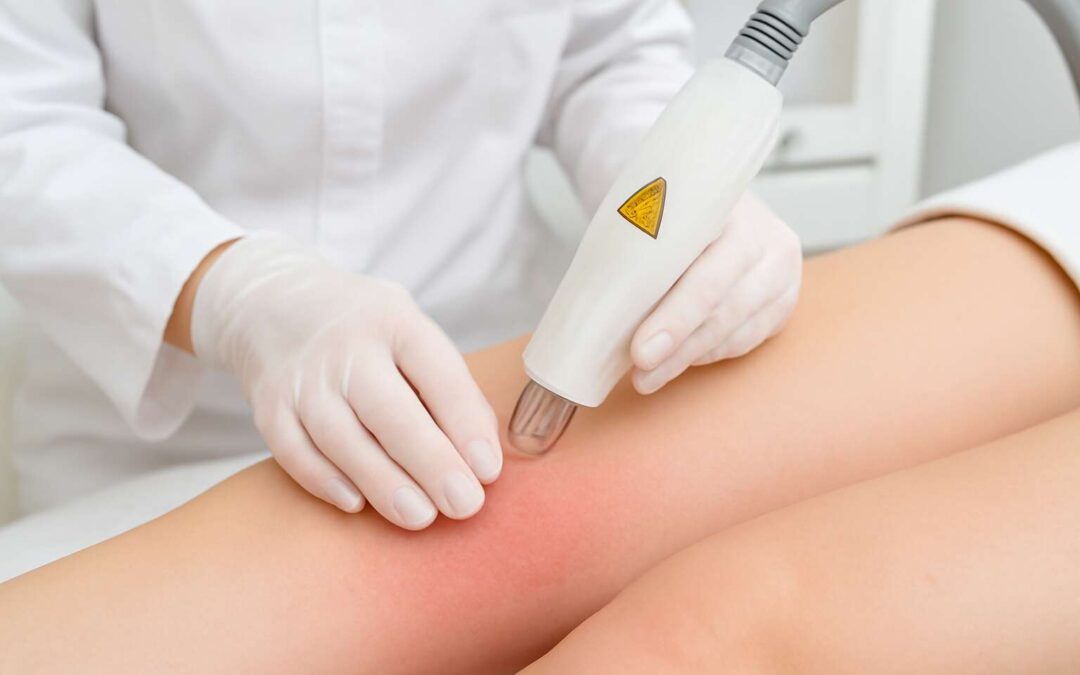
Across the sunlit clinics of South Africa, a bright pulse marks the start of each session, and with it, a striking stat: most patients report only mild redness that fades within 24 hours. This is part of the laser hair removal side effect landscape, a whisper of heat that settles into calm.
- Redness and mild swelling that fades within hours
- Temporary pigment changes in treated areas
- Itching, dryness, or a slight crusting
- Rare blistering or burns
Most effects are mild and transient, fading as the skin settles after treatment. In rare cases, pigment changes may appear, but they typically improve with time and do not imply lasting damage.
Colleagues in SA clinics emphasize that informed dialogue helps shape expectations, keeping the experience reassuring rather than alarming.
Immediate post-treatment reactions
Across South Africa’s sunlit clinics, a single pulse marks the start of each session, and the laser hair removal side effect is usually a gentle whisper of heat. Most patients report only mild redness that fades within 24 hours, a reassuring sign as daylight streams through the windows.
Right after treatment, the skin may feel warm and tender to the touch, with a light flush lingering on the surface. The body’s cooling systems kick in quickly, leaving the treated area calm and comfortable.
- A brief warmth that fades quickly
- A gentle tingling as the skin settles
- A dry or slightly flaky feeling as new skin forms
In rare cases, a temporary pigment shift may appear in sun-exposed areas, but it tends to fade with time and does not signal lasting harm. Even then, it is not a lasting laser hair removal side effect.
Skin types, zones, and device variability
In South Africa, nine out of ten clients report no lasting issues with the laser hair removal side effect. I hear from clinics that outcomes hinge on skin type, zones treated, and device used.
Skin type matters! Darker Fitzpatrick types face a higher, though still rare, pigment-change risk in sun-exposed areas, while lighter skin often settles quickly. The language is cautious because tech choices vary.
Zones and devices drive differences. Facial areas react differently from underarms or bikini lines, and diode vs Nd:YAG systems deliver distinct heat dynamics that influence perceived side effects!
- Skin type considerations
- Zone-specific responses
- Device variability and settings
Prevention, management, and safety steps
Sharp as a razor and twice as precise, laser safety in South Africa rests on nuance. A leading SA clinician notes, “Safety isn’t a feature; it’s a protocol.” While most clients sail through with minimal concerns, the real guardrails lie in how skin type, treated zones, and device choices shape outcomes. The phrase laser hair removal side effect can cast a shadow, but informed oversight keeps it rare and manageable, not a verdict.
- Professional assessment and record-keeping to tailor treatment plans
- Skilled operators and device calibration checks to minimize heat variability
- Clear channels for reporting and monitoring any unexpected reactions during follow-up
Clinics encourage ongoing observation and collaboration, ensuring any adverse signals are captured early through professional channels.