
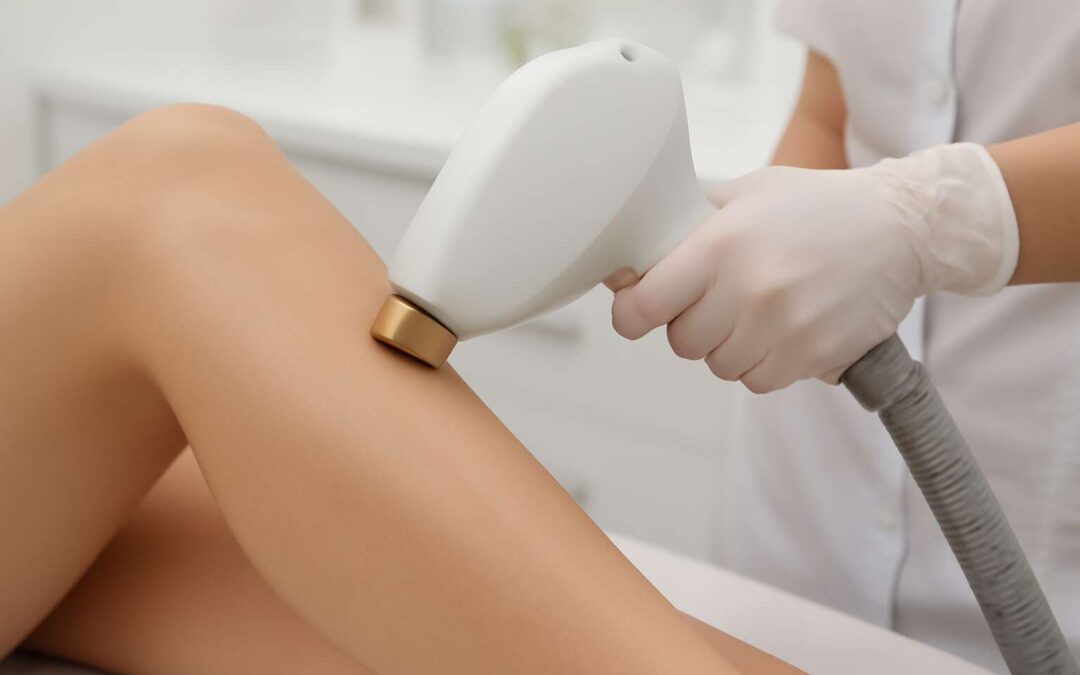
Understanding Laser Hair Removal
What is Laser Hair Removal?
Laser hair removal has become a game-changer in the pursuit of smooth, hair-free skin. Its effectiveness hinges on a fascinating interplay of biological factors and technological precision. But many wonder—when is laser hair removal most effective? The answer lies in understanding the science behind the process.
Laser hair removal targets the pigment in hair follicles, destroying them with concentrated light. For optimal results, it works best when there’s a stark contrast between hair colour and skin tone. Dark hair on lighter skin provides the ideal target, allowing the laser to focus its energy with pinpoint accuracy. This is why timing and skin conditions are crucial.
To maximize the benefits, treatments are typically scheduled during specific hair growth phases. The anagen phase—when hair is actively growing—is when laser hair removal most effectively disables hair follicles. Recognising this window ensures each session delivers the most dramatic results, making it the prime time to consider laser hair removal.
How Does It Work?
Imagine a delicate dance of light and biology, where the universe aligns to make laser hair removal most effective. The process works by emitting concentrated pulses of light that target melanin within hair follicles, transforming them from dormant seeds into memories of the past. It’s a marvel of modern technology, when is laser hair removal most effective, truly revealing its power during the hair’s active growth phase. This is the moment when the follicle is most vulnerable, allowing the laser to disable it with maximum precision.
During each session, understanding the hair’s lifecycle becomes crucial. Hair grows in cycles—anagen (growth), catagen (transition), and telogen (rest). Laser treatment hits its stride during the anagen phase, when hair is vividly alive and rich in pigment. To optimize results, practitioners often recommend multiple sessions spaced out to coincide with these growth windows, ensuring the laser’s energy is harnessed at its peak. When is laser hair removal most effective? The answer lies in targeting these fleeting moments when hair is most receptive to the laser’s gentle but relentless touch.
The Science Behind Laser Efficacy
In the shadowed corridors of modern beauty, laser hair removal emerges as a spectral whisper—an elegant dance of light and biology. Its true power lies hidden within the subtle cycles of hair growth, waiting to be unleashed at precisely the right moment. When is laser hair removal most effective? The answer is woven into the intricate tapestry of the hair’s lifecycle, where the dormant becomes vulnerable, and the active phase reveals its secrets.
The efficacy of laser treatments hinges on targeting hair during its most vibrant and pigmented phase—the anagen stage. During this phase, the hair is rich in melanin, making it an ideal candidate for laser energy absorption. Understanding this cycle allows practitioners to craft a symphony of sessions that align with these fleeting windows of opportunity.
- Multiple sessions are essential
- Spacing them appropriately ensures maximum results
When the stars align—literally, the hair is in full bloom—the laser’s gentle but relentless touch can disable follicles with unerring precision, transforming the landscape of unwanted hair into a distant memory. This dance of light and follicle is most potent when timed just right, revealing the true power of laser hair removal in South Africa’s sun-drenched climes.
Factors Influencing the Effectiveness of Laser Hair Removal
Skin Type and Color
In the enchanting world of laser hair removal, the true magic lies in understanding how skin type and color influence its effectiveness. Studies show that the most successful treatments occur when the laser can precisely target hair follicles without interference from skin pigmentation. The question that often arises is: when is laser hair removal most effective? The answer hinges on a harmonious balance between skin and hair color.
For those with lighter skin tones and darker hair, the laser’s wavelength can be absorbed more efficiently by the melanin in the hair, leading to stunningly effective results. Conversely, individuals with darker skin may face challenges due to increased melanin in the skin, which can absorb laser energy and reduce efficacy. This is why skin type is a critical factor in determining optimal treatment timing. To maximize success, treatments are often scheduled when hair is in the active growth phase, ensuring the laser hits the follicle at the right moment.
Ultimately, knowing your unique skin and hair profile helps identify the perfect window for laser hair removal. Whether you are in the vibrant landscapes of South Africa or elsewhere, understanding these nuances ensures you achieve the most effective, lasting results.
Hair Color and Density
The secret to unlocking flawless, lasting results from laser hair removal often hinges on one critical factor: hair density and color. Thicker, darker hair contains more melanin, making it easier for the laser to target and destroy hair follicles with precision. Conversely, sparse or fine hair can pose a challenge, as the laser may struggle to achieve optimal absorption, reducing overall effectiveness. This is why understanding your hair’s characteristics is essential in determining when is laser hair removal most effective.
For those seeking peak results, timing matters. Treatments tend to be most successful when hair is in the active growth phase, known as anagen. During this window, hair follicles are most receptive to laser energy. In cases of high hair density, multiple sessions spaced at strategic intervals can dramatically diminish hair growth, especially if the hair is dark and coarse. But patience is key—each session brings you closer to long-lasting smoothness, provided you choose the right moment to undergo treatment.
Hair Growth Cycle
The effectiveness of laser hair removal hinges on a nuanced understanding of the hair growth cycle, a biological rhythm as precise as it is mysterious. At the core of this process lies the anagen phase, the period when hair follicles are most receptive to laser energy, allowing for optimal destruction.
This phase is fleeting; in fact, only about 20-30% of hair follicles are in anagen at any given moment, which underscores the importance of timing treatments appropriately. When is laser hair removal most effective? The answer lies in synchronizing sessions with this active growth stage, ensuring each pulse targets the hair at its most vulnerable.
Certain factors influence this synchronization—such as hair density and coarseness—making personalized treatment plans essential. For best results, multiple sessions scheduled at strategic intervals can capitalize on the natural rhythm of hair growth, paving the way for long-lasting smoothness.
Type of Laser Used
The kind of laser used in hair removal treatments can make all the difference in achieving smooth, lasting results. Different lasers target hair follicles at varying depths and wavelengths, which can influence the overall effectiveness of the procedure. For instance, diode lasers are renowned for their ability to treat darker skin tones effectively, while Alexandrite lasers excel on lighter skin with fine hair. Knowing when is laser hair removal most effective often depends on selecting the right laser technology tailored to your unique skin and hair type.
Additionally, advancements in laser technology have introduced super-pulsed and picosecond lasers, which can provide more precise targeting with less discomfort. The effectiveness of these lasers hinges on factors such as pulse duration, energy level, and wavelength, all of which are fine-tuned to optimize destruction of hair follicles during the active growth phase. When is laser hair removal most effective? The answer is often during a session when the laser is calibrated perfectly for your specific hair and skin profile, ensuring each pulse delivers maximum impact.
Technician’s Expertise
The mastery of a skilled technician can transform a routine laser session into an art of precise destruction. When is laser hair removal most effective? The answer often rests in the hands of those who understand the subtle dance between technology and anatomy. An adept technician doesn’t merely operate equipment—they read the skin’s whispers and adapt the laser’s pulse accordingly. Their expertise ensures each shot penetrates at the perfect depth, targeting hair follicles during their most vulnerable phase.
Experience matters profoundly. A seasoned professional knows how to calibrate the laser to match your unique skin and hair type, optimizing results and minimizing discomfort. It’s not just about the device, but about the symphony of settings—pulse duration, energy level, and wavelength—that the technician skillfully orchestrates. When is laser hair removal most effective? It’s during these meticulously calibrated moments when the technician’s expertise aligns with your biological rhythm, ensuring each pulse delivers maximum impact.
In this realm of shadows and light, the technician’s ability to adapt and fine-tune the treatment can spell the difference between fleeting results and lasting smoothness. It’s an intricate ballet of knowledge and intuition—one that transforms the seemingly mundane into a potent ritual of transformation.
Ideal Timing for Laser Hair Removal Treatments
Best Seasons for Treatment
Timing is everything—especially when it comes to laser hair removal, a procedure that transforms the mundane act of shaving into a whisper of the past. The question of when is laser hair removal most effective remains a mystery to many, yet the answer lies within the intricate dance of your body’s natural rhythms and the seasons’ subtle whispers. For optimal results, the best seasons for treatment often align with the sun’s gentle retreat—autumn and winter—when skin is less exposed to the harsh rays of summer, reducing the risk of pigmentation issues. During these months, skin tends to be in a state of calm, allowing the laser energy to target hair follicles with precision and ease.
Choosing the right time also involves considering your lifestyle and the natural hair growth cycle. Since laser treatments are most effective during the hair’s active growth phase, scheduling sessions in colder months ensures that your skin remains protected and receptive. Remember, patience and timing are the twin guardians of the laser hair removal journey, guiding you towards the silken smoothness you desire! When is laser hair removal most effective? The answer often unfolds in the quiet months, where nature’s calm allows the magic of laser technology to truly shine.
Timing in Relation to Skin Tanning and Sun Exposure
In the shadowed corridors of beauty, timing wields as much power as the laser itself. When is laser hair removal most effective? The answer rests in the delicate balance between the sun’s retreat and the body’s innate rhythms. During sunless months, skin remains untainted by UV rays, diminishing the risk of pigmentation issues that can mar the procedure’s precision. This window of calm allows the laser’s whisper to reach deep into hair follicles, where dormant roots wait in silence.
Sun exposure can turn a straightforward treatment into a Gothic tale of complications. To preserve clarity and efficacy, it’s wise to avoid tanning or prolonged sunbathing before and after your sessions. In fact, many clinics recommend:
- Covering treated areas with clothing or high-SPF sunscreen
- Allowing at least four to six weeks of sun abstinence before treatment
By choosing the right moment—preferably during South Africa’s cooler months—you allow the dark, dormant hair to respond more effectively to laser energy. Timing, after all, is the unseen hand guiding you toward a smoother, more luminous future—one that reveals itself when the sun’s gaze is gentle and the skin’s resilience is at its peak.
Frequency of Sessions for Optimal Results
Timing is the silent architect behind the success of laser hair removal. While many focus on the technology and technique, the ideal timing—when is laser hair removal most effective—can dramatically influence outcomes. The optimal window often coincides with periods when the skin is less vulnerable to pigmentation issues, usually during cooler months when sun exposure is minimal in South Africa. This strategic timing ensures the laser can target dormant hair follicles with laser energy unimpeded by pigmentation disturbances.
To maximize results, treatments are typically scheduled at intervals aligned with the hair growth cycle, which varies between 4 to 8 weeks depending on the body area. This allows the laser to target hairs when they are most receptive—during the anagen phase, when hair is actively growing and the follicle is rich with pigment. The question of when is laser hair removal most effective hinges on understanding this cycle and synchronizing treatments accordingly. A well-planned regimen ensures that each session capitalizes on the hair’s natural growth rhythm, amplifying the efficacy of each laser pulse.
In South Africa’s climate, the timing of laser hair removal sessions also benefits from seasonal considerations. Many clinics recommend scheduling treatments during the cooler months, avoiding peak sun exposure. This approach not only reduces the risk of pigmentation but also ensures that the skin remains in optimal condition to absorb laser energy. When is laser hair removal most effective? The answer lies in harmonizing the timing of treatments with both the hair’s growth cycle and the seasons—a delicate dance that offers the promise of smoother, more permanent results.
Preparing for Laser Hair Removal for Maximum Effectiveness
Pre-Treatment Skin Care Tips
The journey to smooth, hair-free skin is as much about preparation as it is about the treatment itself. Understanding when is laser hair removal most effective can significantly influence the results, transforming a routine procedure into a lasting investment. Before embarking on your laser hair removal journey, it’s essential to prepare your skin meticulously. Proper pre-treatment skin care can make all the difference, ensuring the laser targets hair follicles effectively while minimizing any risk of irritation.
One of the most important considerations is avoiding sun exposure and tanning beds for at least four to six weeks prior to treatment. Tanned skin can increase the risk of side effects and reduce laser efficacy. Additionally, exfoliating gently a few days before your session can help clear away dead skin cells that may hinder laser penetration. Remember, the ideal time for laser hair removal aligns with periods when your skin is at its natural tone, free from recent sun damage or tanning, helping you determine when is laser hair removal most effective. By adhering to these pre-treatment skin care tips, you set the stage for optimal results.
Avoiding Sun Exposure Before and After Treatments
Laser hair removal is not a magic wand—unfortunately, it requires some strategic planning to hit the jackpot of smooth, hair-free skin. The question on everyone’s lips: when is laser hair removal most effective? The answer isn’t just about the laser technology but also about timing, patience, and a little bit of sun-sneaky behavior. Tanning, whether from the sun or tanning beds, can turn your laser session into a subpar experience, diminishing efficacy and upping the risk of side effects. That’s why avoiding sun exposure before and after treatments is paramount. Think of it as giving your skin a “time-out” from UV rays—your best chance for optimal results!
To maximize effectiveness, some practitioners recommend a waiting period of at least four to six weeks post-sun exposure before scheduling your session. During this window, your skin’s natural tone is best maintained, and the laser can zero in on hair follicles without interference from tanning pigments. For those who love a good exfoliation, gently scrubbing away dead skin a few days before treatment can help the laser penetrate more deeply, targeting hair follicles more effectively. Remember, your skin’s readiness isn’t just about appearance but also about creating an environment where laser hair removal can work seamlessly!
- Secure your schedule during seasons when UV exposure is minimal—think winter in South Africa, when sunbathing is less tempting and your skin is naturally less tanned.
- Always inform your technician about recent sun exposure or tanning activity, ensuring they can tailor the treatment for maximum efficacy.
- Maintain consistent intervals between sessions, typically four to six weeks, to catch hair in its growth cycle at the right time for laser targeting.
In essence, timing your laser hair removal sessions around seasons and avoiding the sun are critical components in determining when is laser hair removal most effective. It’s all about setting the stage—clear, untanned skin makes the laser’s job a whole lot easier, delivering results that last longer and are far more satisfying. After all, who wants to spend their hard-earned cash on a procedure that’s thwarted by a rogue suntan? Not you, and certainly not your smooth, hair-free ambitions!
Medication and Topicals to Avoid
Preparing your skin properly before laser hair removal can significantly influence the outcome. Certain medications and topicals can interfere with the laser’s ability to target hair follicles effectively, so understanding what to avoid is essential. Some drugs, especially photosensitive medications, can increase your skin’s sensitivity to light, elevating the risk of burns or hyperpigmentation. It’s crucial to consult your healthcare provider about any medications you’re taking—particularly antibiotics, retinoids, or acne treatments—before scheduling your treatment.
Additionally, some topical products should be skipped in the days leading up to your session. These include retinoids, glycolic acids, and other exfoliants that thin the skin or increase photosensitivity. To ensure the laser penetrates deeply and effectively, it’s recommended to discontinue use of these products at least a week before treatment. For optimal results, a gentle skincare routine focusing on hydration and sun protection is best, as healthy, resilient skin responds better to laser hair removal.
Remember, when is laser hair removal most effective hinges upon not only timing the sessions but also meticulously preparing your skin—avoiding medications and topicals that could compromise the laser’s precision. This careful approach helps create an environment where the laser can deliver its full potential, ensuring smoother, longer-lasting results and minimizing unwanted side effects.
When to Expect the Best Results
Number of Sessions Needed
Understanding when is laser hair removal most effective can make all the difference in achieving smooth, lasting results. Typically, the best outcomes are observed after a series of treatments scheduled at specific intervals. On average, patients require between 6 to 8 sessions, spaced about 4 to 6 weeks apart, to target hair during its most receptive phase of growth.
Hair growth cycles vary, but the anagen phase—when hair actively grows—is the optimal window for laser treatment. During this time, the laser can effectively target hair follicles, resulting in significant reduction. It’s important to note that individual factors such as skin type, hair color, and treatment area influence when is laser hair removal most effective. Patience is key; consistent sessions aligning with natural hair cycles ensure the best possible results and long-term hair reduction.
Expected Timeframe for Noticeable Results
Patience and consistency are vital when it comes to laser hair removal, but many are eager to see results. Typically, the best results are noticed between 4 to 8 weeks after completing the full series of treatments. During this period, hair begins to shed naturally, revealing smoother skin beneath. For those wondering when is laser hair removal most effective, it’s important to understand that visible improvements often take time, as hair follicles need to be targeted during their most receptive phase.
Most patients find that after their third or fourth session, noticeable reduction in hair growth becomes evident. This is because the laser has gradually disabled enough follicles to make a difference. While individual results vary, persistent treatments aligned with hair growth cycles often lead to long-lasting smoothness. Expect to see the most effective results when treatments are spaced appropriately and completed as part of a comprehensive plan tailored to your unique skin and hair type.
Signs of Successful Treatment
Many clients notice clear signs of successful laser hair removal after completing their full treatment series. Typically, the most effective results become visible between 4 to 8 weeks after the final session. During this period, hair sheds naturally, revealing smoother skin beneath. It’s an exciting phase that shows your investment is paying off.
Signs of effective treatment include a significant reduction in hair density and a smoother, more refined skin surface. You might also notice fewer ingrown hairs and a decrease in hair regrowth over time. For optimal results, treatments should be spaced to align with your hair’s growth cycle, ensuring the laser targets hair at its most receptive phase. When is laser hair removal most effective? The answer lies in patient patience and consistent follow-up, which together deliver long-lasting, satisfying outcomes.
Common Mistakes That Reduce Laser Hair Removal Effectiveness
Skipping Scheduled Treatments
One of the most overlooked pitfalls in achieving optimal results from laser hair removal is neglecting the importance of adhering to the prescribed treatment schedule. Skipping scheduled treatments not only prolongs the journey toward smooth, hair-free skin but also diminishes the overall efficacy of the procedure. Each session is a carefully calibrated step in targeting hair during its most vulnerable phase, the anagen phase, when laser energy can most effectively disable hair follicles. Interrupting this cycle by missing appointments can allow hair to regenerate, rendering subsequent treatments less effective and requiring additional sessions.
Consistency is paramount. When is laser hair removal most effective? The answer hinges on strict adherence to treatment timelines. To maximize the benefits, most clinics recommend a series of treatments spaced at specific intervals—often every 4 to 6 weeks—precisely aligned with the hair growth cycle. Failing to follow this schedule can lead to subpar results and extended treatment durations. Remember, the laser’s ability to deliver lasting results depends heavily on continuous, uninterrupted engagement with the process.
Incorrect Skin or Hair Preparation
Achieving optimal results from laser hair removal hinges on more than just the right laser or technician; it also depends on how well you prepare your skin and hair beforehand. Incorrect skin or hair preparation can significantly undermine the treatment’s efficacy, making it less effective than it should be. For instance, applying lotions, oils, or deodorants before your session can create a barrier that hampers laser penetration, reducing its ability to target hair follicles effectively.
To ensure your skin is primed for maximum laser efficacy, avoid exfoliating or using harsh skincare products in the days leading up to your appointment. Additionally, some clinics recommend shaving the treatment area 24 hours prior—never waxing or plucking—since the laser targets hair in the follicle, which is best preserved if the hair shaft remains intact. When is laser hair removal most effective? The answer depends heavily on correct preparation, as it sets the stage for the laser to perform at its best and deliver the lasting results you desire!
Misunderstanding the Role of Hair Growth Cycles
Many people assume that booking a laser hair removal appointment is simply about showing up and letting technology do its magic. But here’s the catch: understanding **when is laser hair removal most effective** can make all the difference between a smooth, hair-free glow and a series of frustrating, ineffective sessions. One common mistake is ignoring the importance of hair growth cycles. Laser treatments target hair in the active growth phase, known as anagen, when hair is most receptive to damage. If you schedule your session during a dormant or shedding phase, the results can be underwhelming.
Timing is everything. For optimal results, treatments should align with your hair’s natural growth cycle, which varies among individuals but generally occurs in three stages. Skipping this consideration can lead to multiple sessions that seem to go nowhere—kind of like trying to mow a lawn when the grass isn’t growing! So, understanding **when is laser hair removal most effective** means syncing your appointments with these growth phases for the best possible outcome.
Expert Tips for Enhancing Laser Hair Removal Results
Post-Treatment Care
Maximizing the results of laser hair removal isn’t just about the procedure itself—it’s equally about post-treatment care. Proper aftercare can significantly enhance the longevity and effectiveness of your laser hair removal sessions, ensuring you achieve smooth, hair-free skin faster. One key aspect is maintaining skin hydration; using gentle, fragrance-free moisturizers helps soothe the skin and reduce inflammation, making treatments more effective over time.
Additionally, avoiding sun exposure immediately after laser sessions is crucial. Sun damage can compromise skin health and impact the laser’s effectiveness, delaying optimal results. To support healing and hair removal efficacy, incorporate soothing products like aloe vera or anti-inflammatory creams, which can help calm the skin and prevent unnecessary irritation.
- Consistently follow your technician’s advice on skincare routines.
- Avoid hot showers or harsh scrubs that could irritate treated areas.
- Wear broad-spectrum sunscreen daily, especially if you’re exposed to sunlight regularly.
By adhering to these expert tips for post-treatment care, you’ll not only protect your skin but also ensure when is laser hair removal most effective becomes a reality with each session. Patience and diligent aftercare are key ingredients in this journey toward silky, hair-free skin.
Regular Maintenance Sessions
Consistent maintenance sessions are the cornerstone of maximizing the efficacy of laser hair removal, revealing that patience truly pays off. While initial treatments target active hair follicles, ongoing sessions reinforce results, gradually diminishing hair regrowth. Many experts agree that scheduling follow-up appointments every 4 to 8 weeks ensures the laser continues to target hair during its most vulnerable phase — the anagen cycle.
Understanding when is laser hair removal most effective involves recognizing the importance of adhering to a tailored treatment plan. Regularly spaced sessions not only prevent hair from re-entering the growth phase but also enhance the longevity of smooth, hair-free skin. In this journey, a proactive approach to maintenance amplifies results, turning initial improvements into lasting success.
Incorporating a few strategic practices—such as tracking hair regrowth and maintaining optimal skin condition—can make a significant difference. The commitment to these periodic treatments transforms laser hair removal from a temporary fix into a durable solution, ensuring you enjoy the benefits for years to come.
Choosing the Right Clinic and Technician
Choosing the right clinic and technician can make all the difference in ensuring when is laser hair removal most effective. An experienced professional understands the nuances of different skin types and hair textures, tailoring treatments to maximize results. Don’t hesitate to ask about their training, certifications, and success stories—these are good indicators of quality care.
To further enhance results, consider consulting your technician about their recommended treatment plan. For optimal outcomes, look for clinics that emphasize personalized approaches based on your specific skin and hair characteristics. Remember, a knowledgeable technician will adapt laser settings to suit your needs, which is crucial when considering when is laser hair removal most effective.
- Assess the clinic’s reputation and customer reviews
- Ensure the technician’s training and experience
- Follow their pre- and post-treatment care instructions diligently
Investing in a reputable clinic and skilled technician not only shortens the timeline but also boosts the longevity of your results. When is laser hair removal most effective? It’s when you combine expert care with consistent sessions and proper preparation. This approach guarantees smoother, hair-free skin that lasts.