
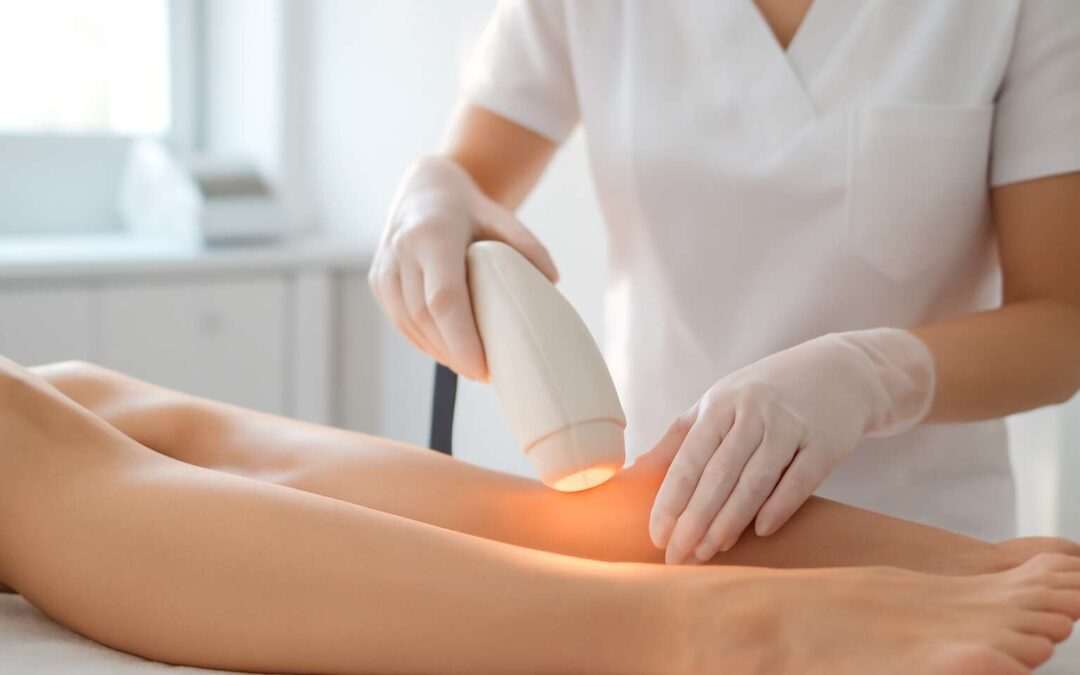
Understanding how laser hair removal works
Mechanism of action in hair follicles
In the hush of clinical glow, a precise pulse seeks the pigment at the root where hair first speaks. Light travels through a narrow conduit, transforming energy into heat that settles in the follicle’s sleeping chamber. This is what laser hair removal does: it singes the hair’s anchor so growth slows and repeat visits become milestones on a longer, smoother horizon.
- Targets melanin to deliver heat where it matters
- Disrupts the hair matrix and germinative cells
- Shifts growth cycles toward longer dormancy
Within this mechanism lies a quiet promise of smoother skin, where heat travels with restraint and the follicle is darkened rather than burned. The emplaced energy collapses the active growth fount, while the surrounding tissue remains unharmed, a balance many South African clinics commend for varied skin tones.
Factors influencing treatment efficacy
Understanding what laser hair removal does is as much about biology as beauty. Clinics in South Africa find that about 70% of clients report noticeably smoother skin after a full course, a signal that success rides on timing as much as technique. The process hinges on precise energy delivery that interacts with hair at the right moment in its growth cycle, not all at once.
- Hair color contrast
- Skin tone and device compatibility
- Growth cycle timing
Beyond the basics, efficacy is influenced by hormonal status, area of the body, and consistency of sessions. South African clinics pride themselves on choosing technology that respects varied skin tones, with safety margins built in to protect surrounding tissue while aiming for longer growth dormancy.
Laser types and wavelength basics
This hush feels almost magical, and this is what laser hair removal does: selective warmth directed to hair pigment, sparing surrounding skin and guiding growth into quiet dormancy.
Understanding laser types and wavelength basics helps tailor care:
- Diode lasers around 800–810 nm for a broad range of skin tones
- Nd:YAG at 1064 nm for darker skin and thicker hair
- Alexandrite around 755 nm suited to lighter skin and hair
In South Africa, clinics curate a spectrum of wavelengths to respect varied skin tones, with safety margins built in to protect tissue while aiming for longer growth dormancy.
Hair growth cycle and timing of sessions
Understanding what laser hair removal does sets expectations in line with the body’s rhythms. The approach delivers a focused pulse that heats pigment in the hair follicle, guiding growth into longer dormancy while leaving surrounding skin calm and unharmed.
Hair grows in cycles: anagen, catagen, and telogen. Treatments are most effective when hair is actively pigmented in the growth phase, allowing energy to disrupt the follicle’s push toward renewal without collateral tissue stress.
- Anagen: the active growth phase where hair is most pigmented and exposed to energy.
- Catagen: a brief transition as the follicle shrinks and hair stops growing.
- Telogen: the resting phase, when hair rests before shedding and new cycles begin.
Because cycles vary by person and body area, clinics in South Africa tailor session timing to harmonize with each rhythm, creating a steady cadence across a course.
Who is a good candidate for laser hair removal
In SA clinics, clients report dramatic changes—up to 75% fewer hairs after a standard course; what laser hair removal does is direct a precise pulse into the hair follicle’s pigment, turning energy into heat that weakens the root while the surrounding skin stays calm and unharmed.
Understanding who benefits most helps shape expectations. Ideal candidates typically present visible pigment in the hair and relatively lighter skin, though advances extend options for broader tones. A well-structured course respects the body’s rhythms and can deliver smoother results across seasons.
- Dark, pigmented hair relative to skin tone
- Healthy skin with no active infections
- Ability to commit to multiple sessions
Set against a clinical backdrop of precise science and quiet luxury, the treatment becomes a ritual where light meets pigment and memory of unwanted hair fades into smoother contours.
What to expect during a treatment
Before the session: preparation and precautions
Morning shave is history—one South African clinic notes many clients trade razors for results after the first pass. Understanding what laser hair removal does helps frame expectations and cut through the sci‑fi vibe. It’s not magic; it’s precise light energy targeting pigment in the hair while sparing surrounding skin.
Before the session, preparation and precautions shape the experience. A clinician will review medical history, skincare products, and sun exposure. Here is a quick checklist:
- Medical history and medications that affect photosensitivity
- Current skincare products and recent sun exposure
On arrival, a quick skin assessment and a cooling gel set the stage. Expect a warm, brief sensation and a calm check-in about comfort. South African clinics emphasize clarity and gentleness, guiding the process toward the smoother results that linger long after the session ends.
During the procedure: sensations and duration
In the clinic’s soft light, the device hums to life and the moment feels suspended. The magic—what laser hair removal does—remains disciplined: pigment in the hair is targeted while the surrounding skin stays unscathed, a quiet triumph of science.
During the procedure, you’ll feel a warm prickling with each pulse; most areas finish quickly, moving in a steady, almost cinematic rhythm.
- gentle warmth
- brief tingling
- cooling sensation
Time passes, scheduled and unhurried; a typical treatment lasts between 15 and 40 minutes, leaving you with a sense of calm and anticipation for the next visit.
Aftercare and recovery tips
During a treatment, you enter a realm of measured precision rather than spectacle. A clinician maps the area with careful nuance, then the device performs a quiet ballet of calibrated passes—focused, methodical, and almost invisible in its control. This is not theatre but a disciplined intervention; science and calm converge, and smoother skin becomes a near-tangible outcome. In practice, what laser hair removal does is target pigment in follicles with precision, reducing future growth while keeping surrounding tissue serene.
After the session, the treated skin often carries a gentle flush and a soft glow that fades within hours. The days that follow unfold with a patient, almost ceremonial quiet: sun exposure is approached with care, cleansing remains light, and the skin begins its slow, drama-free recovery.
That measured cadence is part of the transformation, a reminder that change happens in rhythms, not revolutions.
Setting realistic results by session
Each session unfolds with measured precision. You may feel a brief cool touch or a gentle warmth as the device glides over the skin. In practice, what laser hair removal does is target pigment in follicles with accuracy, dialing down future growth while keeping surrounding tissue calm. Progress is gradual—more noticeable results appear after a few visits, not in a single moment, and consistency matters because hair grows in cycles.
Setting realistic expectations by session matters. Early visits often show subtle changes; by the middle rounds, more hair growth slows and areas feel smoother. Clinics in South Africa tailor timelines to skin type and hair color, so outcomes vary but follow a predictable arc: progress accumulates with each visit, becoming evident after several sessions.
What happens if you’re not seeing results yet
In the dim treatment room, a measured ritual unfolds—soft hum, deliberate glides, a whisper of cool air. What to expect during a treatment isn’t drama but a slow, cinematic shaping of the skin. The process holds a calm, nocturnal precision, leaving the space charged with quiet anticipation.
Not seeing dramatic results yet? The quiet truth about what laser hair removal does is to work in rhythm with hair cycles. Some follicles sleep while others awaken, so progress trickles in across sessions rather than all at once. Across South Africa clinics, timelines bend to skin type and hair color, but the arc remains consistent: small changes accumulate until the picture becomes smoother and more confident.
- Progress is gradual and cumulative
- Timing aligns with the natural hair cycle
- Consistency across visits maintains momentum
Benefits, results, and limitations
Long-term hair reduction and maintenance
In SA clinics, people crave predictable, lasting results. what laser hair removal does is focus light on hair follicles, heating them just enough to disrupt the growth cycle and leave skin smoother over time.
Benefits include precision, minimal downtime, and noticeable reduction after a few sessions. Results vary by skin tone and hair colour, but many clients enjoy long-term maintenance with occasional follow-ups. People often ask what laser hair removal does in practice.
Limitations to consider include that some individuals may still experience subtle regrowth; hairs must be in a growth phase for best results, and very light or grey hairs respond poorly. Seasonal sunlight and skin tone can influence outcomes, and a course may require periodic refreshers.
- Hair colour and skin tone influence efficacy
- Not all hairs are permanently gone after a course
- Periodic maintenance sessions may be needed
Effectiveness across body areas
Across SA clinics, the promise of predictable, lasting smoothness draws many clients. what laser hair removal does is direct focused light to the hair follicles, heating them just enough to disrupt the growth cycle and leave skin smoother over time. The result is precision-treated areas, minimal downtime, and a noticeable reduction after several sessions.
Results often translate into fewer daily worries and a more confident silhouette. Diminishing regrowth is commonly reported after a handful of visits, with the freedom of longer intervals between touch-ups.
Across body areas, effectiveness varies; the list below outlines common patterns:
- Face and upper lip
- Underarms
- Legs and bikini area
- Back and chest
Limitations to consider include subtle regrowth after a course, hairs needing to be in growth phases for best response, and very light or grey hairs responding poorly. Seasonal sun exposure and natural skin tone can influence outcomes, and periodic refreshers may be needed.
Potential limitations and side effects
Across South Africa’s sun-kissed routine, the promise of smooth skin lands with practical impact. Readers often ask what laser hair removal does; in everyday terms, it delivers focused light to hair follicles, heating them just enough to slow growth and leave skin smoother between visits.
Benefits arrive with little fuss:
- Precise targeting that spares surrounding skin
- Minimal downtime for work and life
- Fewer daily touch-ups as regrowth thins
Results vary by area and skin type, but many clients notice a meaningful reduction after a course, with longer gaps between sessions and a more confident silhouette.
Limitations and potential side effects to consider include:
- Hairs must be in active growth for best response; dormant hairs may not respond
- Very light or grey hairs can respond poorly
- Temporary redness, mild swelling, or pigment changes after treatment, especially with sun exposure
- Seasonal sun exposure can influence outcomes and refreshers may be needed
Expected timelines for visible results
Across South Africa’s sun-warmed routines, what laser hair removal does lands with practical clarity. In plain terms, what laser hair removal does is target hair follicles with focused light, heating them just enough to slow growth and leave skin smoother between visits.
- Precise targeting that spares surrounding skin
- Minimal downtime for work and life
- Fewer daily touch-ups as regrowth thins
Most clients report a meaningful reduction after a course, with longer gaps between sessions and a sleeker silhouette emerging over time. I’ve seen busy professionals welcome the shift as mid-series changes become noticeable.
Limitations frame the journey—some hairs ride out dormancy, very light shades respond differently, and transient redness or pigment shifts can occur. Seasonal sun exposure can influence outcomes, nudging maintenance needs while you re-tune expectations.
Comparing laser with other hair removal methods
In South Africa, understanding what laser hair removal does reveals a practical shift from daily upkeep to lasting smoothness. It targets hair follicles with focused light, heating them just enough to slow growth and leave skin smoother between visits.
- Precise targeting that spares surrounding skin
- Minimal downtime for work and life
- Fewer daily touch-ups as regrowth thins
Most clients report a meaningful reduction after a course, with longer gaps between sessions and a sleeker silhouette emerging over time. Busy professionals welcome the shift as mid-series changes become noticeable.
Limitations frame the journey—some hairs ride out dormancy, very light shades respond differently, and transient redness or pigment shifts can occur.
Seasonal sun exposure can influence outcomes, nudging maintenance needs while you re-tune expectations.
- Shaving: instant, but regrowth returns quickly
- Waxing: longer gaps, more discomfort
- IPL: similar idea, often less effective on coarse hair
Safety, risks, and myths
Safety considerations by skin tone and hair color
Across South Africa, interest in laser hair removal has surged by about 40% over the past five years. Understanding what laser hair removal does reveals a careful balance of light and pigment, a science that must respect skin tone and hair color to work its quiet, precise magic that hums beneath clinic lights.
Safety hinges on skin tone and hair color. In some cases, clinics tailor wavelengths to minimize risk for darker skin, while lighter hairs may require different approaches.
- Skin tone and melanin levels guide device settings
- Hair color and density influence which laser and energy level are safest
- Medications or skin conditions that cause photosensitivity require caution
Some myths endure: that it’s utterly painless, or that it works equally on all hair colors. In truth, risks—temporary redness, swelling, pigment changes—are real, and a clinician often performs patch tests to gauge response.
Common side effects and how to manage them
Across South Africa, interest in laser hair removal has surged by about 40% over the past five years. Understanding what laser hair removal does reveals a careful balance of light and pigment—a science that must respect skin tone and hair color to work its quiet, precise magic beneath clinic lights.
Safety hinges on skin tone and hair color. In darker skin, clinics tailor wavelengths; lighter hairs may require different approaches. Common side effects are usually mild and temporary: redness, swelling, and pigment changes that fade with time.
- Temporary redness and swelling
- Changes in pigment that fade over weeks
- Rare burns or crusting
Clinicians often perform patch tests to gauge response and minimize risk.
Myths endure: it’s utterly painless and it works equally on all hair colors.
- Not utterly painless
- Not equally effective on all hair colors
Debunking common myths about laser hair removal
Across South Africa, interest in laser hair removal has surged by about 40% in five years—a spike that invites scrutiny as much as it invites smooth skin. In short, what laser hair removal does is a precise ballet: it targets pigment in follicles with tuned wavelengths, delivering heat that stalls growth while sparing surrounding tissue.
Safety hinges on skin tone and hair color, prompting clinics to tailor wavelengths and run patch tests to gauge response.
- Temporary redness and swelling that fades quickly
- Transient pigment changes that usually disappear over weeks
- Very rarely, a crust or minor burn may occur
Myth-busting moment: it’s not a pain-free wand, and it doesn’t perform equally across all hair colours. Reality checks: many people describe a warm sting or light snap, and outcomes depend on hair colour and skin tone. In South Africa, safety remains the priority, not an empty promise.
Choosing safe, qualified providers
Across South Africa, interest in laser hair removal has surged by about 40% in five years—a trend that deserves more than a glossy brochure. In practice, what laser hair removal does is a precise ballet: it targets follicular pigment with tuned wavelengths, delivering heat that stalls growth while sparing surrounding tissue.
Safety begins with choosing safe, qualified providers. Look for licensed clinics with trained practitioners and documented patch tests. Here are essentials:
- Board-certified clinicians with real laser experience
- Accredited clinics and explicit patch-testing protocols
- Transparent consent, pricing, and aftercare guidance
Yes, there are risks and myths to debunk. The reality is not a pain-free wand; many describe a warm sting or light snap, and outcomes hinge on hair color and skin tone. Typical side effects are mild—redness and swelling that fade, with very rare crusts or pigment shifts.
Choosing a clinic and pricing
What to look for in a provider
Choosing a clinic in South Africa isn’t just about the cheapest quote; it’s about safety, expertise, and the people you trust with your skin. Pricing varies from entry-level packages to premium plans, and many clinics offer bundles that spread costs across sessions. Understanding what laser hair removal does helps you compare clinics on value, transparency, and aftercare—two pillars of lasting results.
Here are core criteria to look for in a provider:
- Certified technicians with verifiable training and experience
- Modern, well-maintained equipment and documented safety checks
- Transparent pricing with clear packages and no hidden fees
- Accessible aftercare and responsive clinic support
Beyond price, assess how a clinic communicates—clear answers, reasonable scheduling, and a culture of patient care set the tone for your journey and the real-life impact of the treatment.
Device types and technology used
Choosing a clinic in South Africa isn’t about the cheapest quote; it’s about safety, expertise, and the people who touch your skin. Pricing ranges from entry-level packages to premium plans, and bundles help spread costs across sessions. When evaluating clinics, look for transparent pricing, clear bundles, and documented safety practices. That groundwork makes the difference between a smooth course and a costly misstep.
Device types and technology used for laser hair removal vary; modern clinics rely on diode lasers, Alexandrite, or Nd:YAG systems, each with different wavelengths and skin-safety margins.
- Diode lasers
- Alexandrite lasers
- Nd:YAG lasers
A concise, well-maintained setup paired with regular safety checks matters. These choices influence treatment speed, comfort, and suitability for various skin tones — what laser hair removal does is to target melanin in the hair follicle with controlled heat, sparing surrounding tissue and enabling progressive reduction across sessions.
Pricing models, packages, and promotions
Choosing a clinic in South Africa isn’t about chasing the cheapest quote; it’s about safety, expertise, and the people who touch your skin. When pricing is transparent, bundles are clear, and terms are visible, you can trust the path you’re on. Understanding what laser hair removal does helps you gauge value beyond the sticker price.
- Per-session rates clearly listed
- Bundles or multi-visit packages with predictable totals
- Promotions with transparent terms and expiry
Clarity in pricing reveals whether a plan aligns with expectations. A well-priced arrangement should reflect factors like session cadence, maintenance needs, and the clinic’s safety record, turning any discount into genuine value rather than a superficial lure.
How to prepare for a consultation
Across South Africa, choosing a laser hair removal clinic isn’t about chasing the cheapest quote. It’s about safety, expertise, and the people who touch your skin. ‘Safety and trust outshine the cheapest quote,’ is a sentiment heard when stepping into a consult. When pricing is transparent, you can chart a confident course.
Understanding what laser hair removal does helps gauge value beyond the sticker price. Seek pricing with a clear structure—simple session rates, predictable bundles, and promotions with defined expiry. An openly explained plan feels like a map, not a trap.
For a consult, lean into clarity and conversation. Bring questions about safety, practitioner qualifications, and why multiple sessions are typical for your skin tone and hair. A thoughtful provider will welcome dialogue and walk you through a plan before any treatment begins, helping you understand what laser hair removal does in practice.