
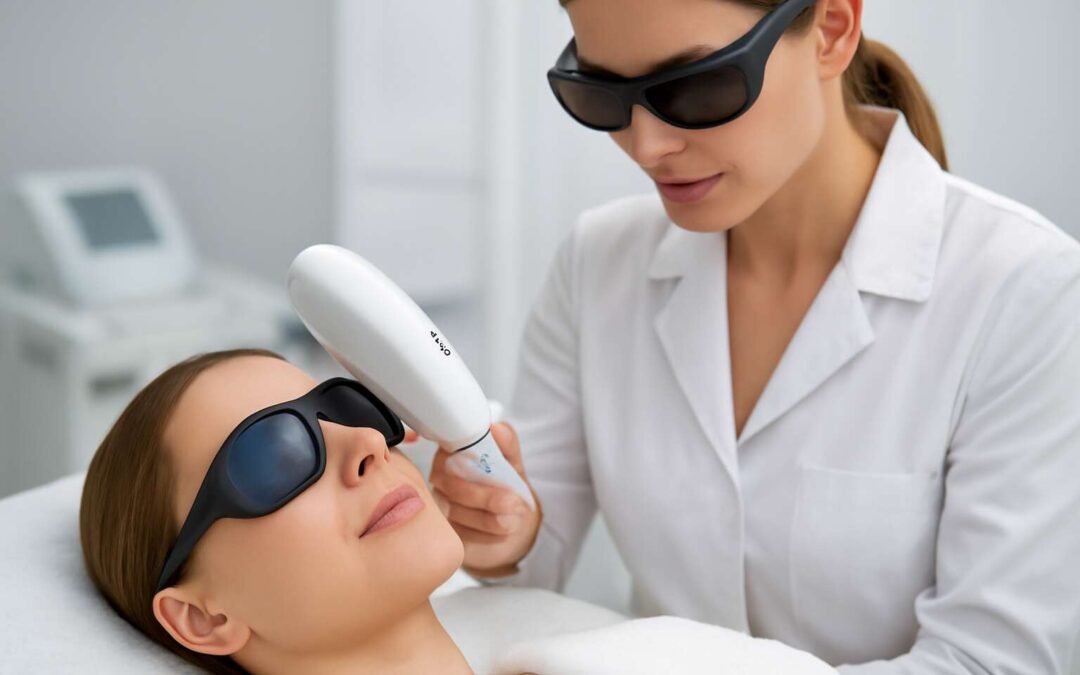
Choosing a facial laser hair removal provider
Credentials and licensing for dermatologists and technicians
Choosing a facial laser hair removal provider hinges on credibility as much as price. A telling stat: 62% of prospective clients in South Africa say credential transparency sways their choice. For a laser hair removal face dermatologist, that means a clear consultation about device types, safety, and realistic outcomes before any treatment begins.
Credentials and licensing for dermatologists and technicians are essential safeguards. The essentials include:
- Board certification or recognized dermatologist status
- Current license to perform laser procedures
- Evidence of ongoing laser safety training
Beyond paperwork, observe how the team explains skin type, aftercare, and risks in plain terms. A practice that blends expertise with clear communication earns trust and sets the tone for a smooth, professional experience.
Evaluating clinic safety, equipment, and sterile practices
“Safety is non-negotiable,” says a leading dermatologist. In South Africa, the demand for transparent safety audits is rising, turning the hunt for a laser hair removal path into a careful quest. A clinic worth visiting will openly outline the guardrails that protect every blush and pore before the first pulse of light.
For clinic safety, check sterilization, disposables, and device maintenance. Look for real-time skin protection features and eyewear compliance. A laser hair removal face dermatologist will walk you through equipment options and safety protocols, not leave you guessing about results or risks.
- Single-use applicators and proper sterilization logs
- Calibrated cooling systems and safety interlocks
- Regular equipment maintenance and technician credential reviews
Trust is earned when explanations are clear and outcomes are realistic, not promised. The right clinic blends clinical precision with human warmth, turning a routine procedure into a controlled, almost cinematic experience for your skin.
Questions to ask during your consultation
Choosing a facial laser provider in South Africa isn’t about glitz; it’s about clarity and care. In a field where results hinge on precision, a well-led consultation can turn uncertainty into strategy. “The right questions shape the outcome,” a leading dermatologist reminds us.
- Which laser technology and wavelength do you recommend for my skin type and hair color?
- Can you show before-and-after photos of patients with similar concerns, and explain realistic timelines?
- What is the expected downtime, potential side effects, and post-treatment skincare plan?
A laser hair removal face dermatologist consultation should translate complex terms into practical decisions, balancing clinical precision with human warmth. The flow of explanation, the willingness to tailor, and the confidence you feel as you leave the room—all of it matters more than glossy brochures.
How to verify before-and-after results and reviews
South Africa’s beauty-tech scene is thriving, but confidence comes from evidence: 82% of clients say transparent before-and-after galleries convert curiosity into commitment. When you seek a laser hair removal face dermatologist, the path from doubt to clarity runs through real results, not glossy brochures.
To verify outcomes and reviews, demand galleries that mirror your skin type and hair color, and ask about timelines. A credible clinician translates laser science into clear expectations, backed by patient stories.
- Galleries: similar skin tones, multiple angles.
- Ask device, wavelength, and unfiltered photos.
- Check reviews across platforms for consistency.
Rely on verified testimonials and progress plans to gauge whether the clinic can deliver safe, measurable results.
Understanding laser technology for the face
Overview of common laser types used on facial hair (diode, Alexandrite, Nd:YAG)
Laser precision reshapes confidence for the face—a field where a laser hair removal face dermatologist guides every step. Energy targets follicles with light, cooling protects skin, and hair growth slows over time. It’s science you can feel—clearer skin and predictable results across varied complexion and hair types.
Three workhorse lasers dominate facial hair work.
- Diode lasers (800–810 nm): strong follicle absorption, fast sessions, versatile for most skin types.
- Alexandrite lasers (755 nm): rapid coverage and excellent hair removal on lighter skin with light hair.
- Nd:YAG lasers (1064 nm): deeper penetration, safer for darker skin tones, effective on coarser hair.
Choosing among these hinges on skin tone, hair color, and sensitivity. A skilled dermatologist tailors the option to the face, balancing comfort, speed, and safety for South African patients.
Who is a good candidate based on skin tone and hair color
Light is a patient architect, shaping not just skin but confidence that glows from the inside out. In South Africa, nearly 75% of first-timers report smoother skin after a thoughtfully mapped laser plan.
Understanding laser technology for the face means matching light to your skin and hair. Dark, coarse facial hair and lighter strands respond differently; deeper tones often require gentler, longer-wavelength options. Here are the candidacy cues:
- Dark, coarse facial hair
- Sun-exposed skin tones
- Willingness to complete a series
A laser hair removal face dermatologist in South Africa guides this mapping, translating color and contour into a plan that honors skin health and comfort. The result is a tailored symphony where science meets everyday radiance.
Session planning: number of treatments and intervals
Across South Africa, a thoughtful laser plan can map not just hair but confidence—patients often see smoother skin after a series of expertly timed sessions. A laser hair removal face dermatologist guides the forecast, aligning pulses with your skin tone and hair color.
Understanding session planning means acknowledging that facial hair grows in waves. The number of treatments—typically six to eight—and the interval between them are crafted by a laser hair removal face dermatologist who honors skin health and comfort.
- Initial phase: plan for sessions every 4–6 weeks, usually 6–8 treatments in total.
- Mid-phase: after the first half, intervals may remain 4–6 weeks, adjusted for how your skin responds.
- Assessment: progress reviews determine if timing should shift to shorter or longer gaps.
- Maintenance: after completing the core series, yearly touch‑ups help preserve smooth results.
The journey blends science with a touch of everyday radiance, a choreography tailored to your features and lifestyle.
Pain management and comfort during treatment
Light works like a conductor, guiding warmth to hair follicles while leaving surrounding skin serene. Understanding laser technology for the face means recognizing that energy is calibrated to your skin tone and hair color, so the pulse feels like a brief whisper, not a blaze. A laser hair removal face dermatologist guides this choreography, selecting wavelengths and settings that balance efficacy with comfort, a refinement echoed in South Africa’s premier clinics.
Pain management and comfort during treatment hinge on sensation-smoothing strategies:
- Topical anesthetic creams applied by trained staff
- Dynamic cooling devices that spray cooling air or cryogen
- Vibration and light pressure to dull sensation
- Adjusting pulse duration and energy to your tolerance
With these measures, sessions feel more approachable, aligning science with everyday radiance.
Safety, risks, and aftercare
Common side effects and how to minimize them
Safety isn’t a buzzword; it’s the backbone of laser hair removal face dermatologist care. When a trained professional handles the treatment, risks stay manageable. Expect brief redness or warmth and, for South Africa’s diverse skin tones, tiny pigment tweaks that typically fade within hours to a few days.
- Cool compresses to calm the skin
- Fragrance-free moisturizer and gentle cleansing for 24–48 hours
- Strict sun avoidance and SPF 30+ sunscreen after treatment
- If anything unusual occurs, contact your clinic for guidance
Aftercare is where results are baked in. Avoid hot showers, skipping sunscreen, and picking at treated areas. Regular check-ins with the clinic ensure the timeline stays on track and melanin-friendly outcomes remain optimal.
Pre-treatment skin prep and what to avoid
Safety isn’t a slogan; it’s the ethical ballast of laser hair removal face dermatologist care. When a skilled clinician carries the treatment, the risk of burns, pigment shifts, or scarring stays minimal—even as South Africa’s diverse skin tones demand vigilance. Expect only brief redness and transient pigment tweaks that fade as the skin recalibrates.
Pre-treatment skin prep matters. A few simple steps set the stage for calm results:
- Discuss pre-treatment skin preparation with your dermatologist to tailor the plan to your skin type
- Consider sun exposure and pigment risks in the weeks leading to treatment
- Review any medications or skincare ingredients that may affect safety and outcomes with your clinician
Aftercare remains the final shaping force. Gentle cleansing, avoidance of irritants, and timely clinic check-ins help keep outcomes aligned with your skin type. If anything unusual arises—prolonged redness, blistering, or crusting—reach out to the laser hair removal face dermatologist promptly.
Post-treatment skincare and sun protection
Safety stays the quiet backbone when a laser hair removal face dermatologist guides your aftercare. The skin may blush briefly and a touch of pigment can shift as the healing clock ticks. In South Africa’s tapestry of skin tones, vigilant attention to any lingering redness or unusual changes is essential—prompt contact keeps outcomes clean.
For post-treatment skincare and sun protection, a few mindful considerations anchor the healing journey.
- Gentle cleansing and avoiding irritants
- Hydrating moisturisers suitable for sensitive skin
- Sun protection strategies tailored to your skin tone
- Regular clinic follow-ups for reassurance
Sun exposure isn’t a one-off risk; in our climate, ongoing protection governs long-term results. Your dermatologist will stress that sunscreen and shade are part of daily life, so the skin’s new balance endures without fading into irritation.
Recognizing and handling rare complications
In South Africa, serious complications after facial laser procedures remain rare—under 1% in many clinics. Yet safety, risk awareness, and crisp aftercare are non-negotiables. A laser hair removal face dermatologist steers you through the quiet risks and helps you spot trouble before it grows.
- Hyper- or hypopigmentation
- Blistering or crusting
- Infection or unusual swelling
- Prolonged redness or sensitivity
Recognize and respond quickly: gentle cleansing, fragrance-free moisturisers, and sun protection—anchoring recovery in a skin-tone-aware approach. If pigment shifts or irritation persist, contact your clinic promptly—your laser hair removal face dermatologist will guide next steps and keep healing on track.
Cost, financing, and accessibility
Typical price ranges and what affects the cost
Cost isn’t a mystery in South Africa when it comes to facial laser work. A single session typically ranges from R800 to R2500, depending on city, clinic, and the device in use. Bundled packages for six to eight sessions often bring real savings, while add-ons like aftercare can tilt the total. A laser hair removal face dermatologist brings assurance that results and safety are aligned with your skin type and sensitivity.
Factors that influence price include:
- Device type and clinic equipment
- Practitioner experience and supervision
- Hair density, color, and treatment area size
- Package deals and location (urban vs rural)
Access and financing shape how you start. In South Africa, private clinics dominate facial laser treatment, with some urban pockets offering extended hours. Some patients use payment plans or medical savings accounts; public provision is limited. The idea is to balance value, comfort, and timing—for many, a well-planned package makes the investment feel purposeful rather than impulsive.
Package deals, memberships, and discounts
In South Africa, cost transparency meets elegance in facial laser care. A single session typically ranges from R800 to R2500, depending on city, clinic, and device. Six- to eight-session bundles bring real savings, while add-ons like aftercare can tilt the total. A laser hair removal face dermatologist guides the journey, ensuring results align with your skin type and sensitivity.
To soften the journey, many practices offer flexible options:
- Bundled packages for six to eight sessions
- Memberships with ongoing discounts and priority scheduling
- Seasonal promotions and bundled aftercare products
Access and financing shape how you begin. Private clinics dominate in urban centers, with extended hours in select pockets. Payment plans and medical savings accounts are common, while public provision remains limited. The balance of value, comfort, and timing makes selecting a qualified provider feel purposeful rather than impulsive.
Insurance coverage and what is typically billed
Across South Africa’s cosmetic clinics, a single laser session for the face generally sits between R800 and R2500, a reflection of city, clinic, and device. The laser hair removal face dermatologist you choose guides the process from first assessment to final reveal, ensuring results respect your skin type and sensitivity. In my experience, it’s a crafted, intimate journey—precise, reassuring, and quietly transformative.
Financing and access shape when you begin. Urban private clinics often offer payment plans and medical savings accounts, with memberships that unlock ongoing discounts. Insurance coverage varies; cosmetic laser work is rarely fully reimbursed, though some plans cover medically indicated sessions or aftercare.
- Consultation and patch test
- Per-session treatment fee
- Aftercare products when prescribed
How to compare quotes and clinic warranties
Prices for facial laser work aren’t carved in granite. They shift with city, clinic, and device. A consult with a laser hair removal face dermatologist helps tailor the plan to your skin tone and hair color, setting expectations before any treatment begins.
Financing and access shape when you start. Urban private clinics in South Africa often offer payment plans and medical savings accounts, with memberships that unlock ongoing discounts. Insurance coverage varies; cosmetic laser work is rarely fully reimbursed, though some plans cover medically indicated sessions or aftercare.
To compare quotes and warranties, look beyond the sticker price. The right clinic will spell out what’s included and what isn’t, and stand behind the treatment plan with a clear warranty on results or maintenance sessions.
- Per-session cost versus package savings
- Number of sessions recommended
- Device brand and maintenance inclusions
- Refunds, rescheduling, and warranty terms
Managing expectations and results timeline
What you can realistically expect after each session
Real results with facial laser hair removal take time. Most people need 6 to 8 sessions for best outcomes, spaced about 4 to 8 weeks apart. When you partner with someone who is a laser hair removal face dermatologist, you get a plan tailored to your skin tone, hair colour, and lifestyle—steady progress, no guesswork.
Here’s what you can realistically expect after each session:
- First session: mild redness that fades within hours; you can resume normal activities.
- Between sessions (2–4 weeks): gradual reduction in hair regrowth as treated follicles recover.
- Before the next visit: shave only; avoid tweezing or waxing to keep follicles targetable.
Results accumulate slowly, and factors like hair colour, skin tone, and hormones shape the curve. If progress stalls, a dermatologist will reassess settings and treatment intervals to keep you moving toward smoother skin. If you’re unsure, consult a laser hair removal face dermatologist for a recheck.
Timeline for noticing hair reduction on the face
Two-thirds of patients notice visible hair reduction after about 3 to 4 sessions, a turning point that makes the journey feel possible. When a laser hair removal face dermatologist oversees your plan, expect a personalised timeline—tuned to your skin tone, hair colour, and daily rhythms—rather than a one-size-fits-all promise.
Results accumulate slowly. In the weeks after each session, treated follicles recover and hairs regrow more sparsely. Between visits, you may see a steadier decline in regrowth, and by the mid-stages, smoother texture starts to emerge. Remember that hair colour, hormones, and skin tone shape the curve, so patience is part of the process.
If progress stalls, a dermatologist will reassess settings and treatment intervals to keep you moving toward your goal, guided by experience and a careful eye for your facial contours.
Maintenance needs and long-term results
Progress hides in patience, and most notice a real change after the third or fourth session. When a laser hair removal face dermatologist oversees your plan, the pace is tuned to your skin tone, hair colour, and daily rhythm—never a one-size-fits-all promise!
Results accumulate slowly: weeks after each session, treated follicles regain hairs more sparingly, and texture begins to feel smoother as you move toward mid-stages. Hormones and complexion shape the curve, so patience stays part of the journey.
- Hair regrowth cycles and timing
- Hormonal and skin-tone influences
- Gradual texture improvements
Maintenance isn’t a finale but a long arc shaped by ongoing assessment with your dermatologist, ensuring continued alignment with your facial contours and life demands.