
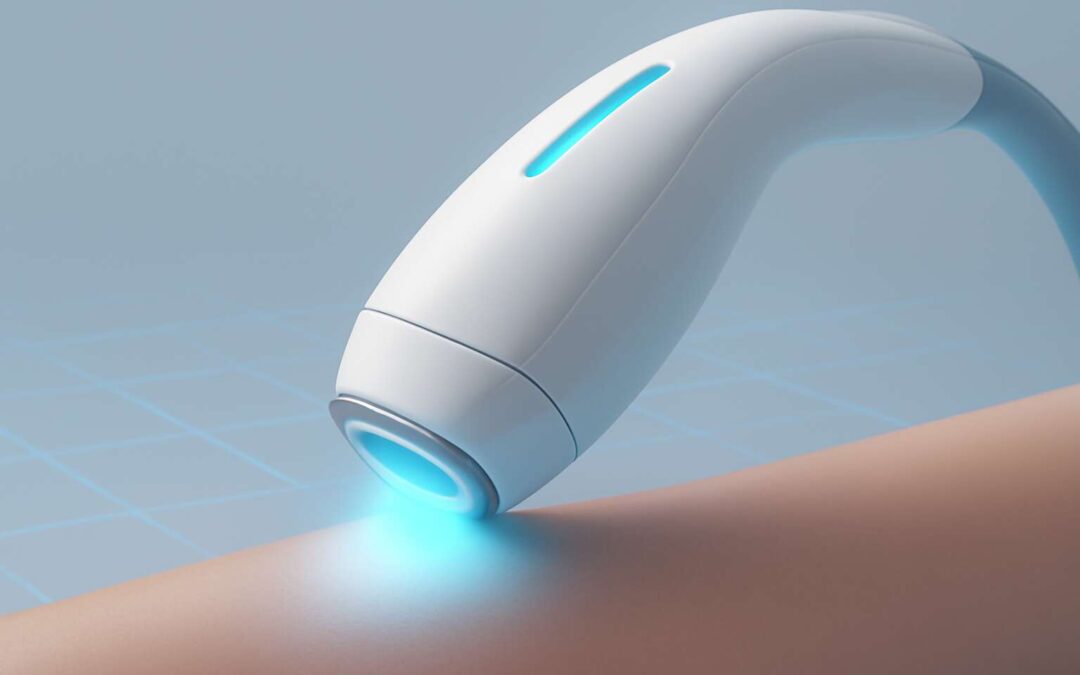
Three Dimensional Modeling for Aesthetic Treatments
Purpose and Benefits of Three Dimensional Models in Aesthetic Clinics
A sharp 3D view of the skin turns wishful outcomes into clear decisions! Three-dimensional modeling for aesthetic treatments reshapes planning for laser sessions, guiding wavelength choices, pulse durations, and treatment maps, a shift already reshaping busy South African clinics. The laser hair removal 3d model lets clinics preview results, reduce surprises, and tailor settings before the first contact.
- Better consultation with accurate visuals
- Improved safety through pre-visualization of energy delivery
- Enhanced patient confidence leading to clearer decisions
This approach speeds consultations, reduces revisions, and boosts patient trust. “Seeing is believing” captures the effect, and the model becomes a communication bridge between clinician and client. With laser hair removal 3d model, the pathway from concept to consent becomes visible and confident.
Key Techniques for Creating Realistic Hair and Skin Textures
Reality becomes a compass in aesthetic planning, and a single lifelike preview can tilt decisions with quiet certainty. “Seeing is deciding,” a seasoned clinician often says, and that truth guides how we render the next generation of simulations. The laser hair removal 3d model lets clinics preview pore-level textures and energy interactions before a single pulse is fired.
- Subsurface shading to mimic hair follicles beneath the skin
- Fine micro-textures for realistic epidermal variation
- Dynamic light and energy delivery simulations for safe timing
These techniques translate into smoother consultations and more confident consent within South Africa’s bustling clinics. Every strand and shadow becomes a navigational beacon, turning imagination into a shared map for wavelength choices and pulse durations—without the guesswork.
Target Audiences and Use Cases for Hair Removal Simulations
Across South Africa’s bustling clinics, we see a laser hair removal 3d model become more than a digital scaffold; it is a lantern in the consult room, translating anatomy, energy maps, and timing into tangible visuals that calm the patient and sharpen the clinician’s plan.
We align treatment teams and patient education around three core audiences and use cases:
- Clinicians refining treatment plans and consent through pore-level simulations
- Training programs elevating therapist precision with interactive energy maps
- R&D teams testing safety margins and pulse configurations before hardware trials
In South Africa’s dynamic clinics, these models turn imagination into decision, a quiet map that guides wavelength choices and pulse durations.
Ethical and Privacy Considerations in Medical Visual Content
In the whisper-quiet clinic, a laser hair removal 3d model holds more than anatomy—it guards consent and trust. A single accurate render can reveal enough to comfort a patient and disarm ambiguity about who sees the data and for how long. South Africa’s POPIA framework demands that visuals used in consults flow through explicit consent, with privacy at the design’s core.
Key protections include:
- Explicit patient consent for every usage scenario, including education, consent discussions, and research
- De-identification and data minimization to remove personal identifiers from 3D models
- Robust access controls, encryption, and secure storage aligned with POPIA and SA clinic policy
Beyond compliance, the ethical lens shapes how the model is experienced—calm visuals, transparent workflows, and a sense of certainty that lingers after the consult.
Anatomy and Realism in Hair Removal Simulations
Anatomical Accuracy and Proportions for Realistic Hair Growth
In a field where perception guides choice, a faithful anatomy map can tilt trust toward a successful outcome. Across South Africa’s aesthetic clinics, laser hair removal 3d model translates complexity into clarity, letting clinicians predict where light meets follicle and how skin responds under different wavelengths. Realism here isn’t ornament—it’s responsibility!
- Follicle depth and angle alignments
- Proportional skin layers near active follicles
- Densities that echo diverse patient demographics
Anatomical accuracy and proportions for realistic hair growth hinge on proportional fidelity, not just surface shading. We map growth direction, follicle density, and curvature to mirror true physiology, avoiding exaggerated silhouettes that skew expectations. When the model aligns with real anatomy, trust deepens across SA clinics and patient journeys.
Lighting, Shading, and Rendering for Depth and Realism
Light is the sculptor of certainty, turning a digital surface into a patient-facing map of nuance. Across South Africa’s clinics, precise lighting and shading in a laser hair removal 3d model translate complexity into clarity—showing where light meets follicle paths and how skin shifts under different wavelengths. Realism here guides trust and consent, not ornament.
Rendering depth relies on subsurface scattering, authentic translucency, and measured specular highlights that mimic real skin. We tune angles, exposure, and color balance so shadows align with follicle curvature, turning silicone into living tissue. The result is a narrative patients can read and clinicians can rely on.
- Subsurface scattering and translucency for depth
- Specular highlights to trace follicle contours
- Wavelength-aware shading for accurate tone
That is why the laser hair removal 3d model functions as more than a visualization—it becomes a practical instrument for patient education and clinical planning.
Texture Mapping and Material Properties for Skin and Hair
Recent client surveys show 68% of patients report greater trust when visuals mirror real skin. In anatomy-aware simulations, the skin remains a layered world—epidermis over dermis, punctuated by microtopography that guides light. In the laser hair removal 3d model, texture mapping anchors realism by aligning epidermal detail with follicle cues.
Texture mapping and material properties for skin and hair supply perceptual truth. Specular on the hair shaft, subtle subsurface scattering, and epidermal translucency reproduce light behavior across depths.
- Pore microrelief and oil sheen
- Hair shaft orientation and cuticle detail
- Melanin-aware scattering and color variation
These choices turn digital skin into a trustworthy training ground and planning tool in South Africa, where texture becomes a quiet language patients read and clinicians rely on during consultations!
Animation and Interaction for Demonstrations
In South Africa’s aesthetic rooms, patients respond when visuals mirror real skin. A recent client survey found that 68% report greater trust when anatomy is shown in motion. Seeing the layers come alive makes conversations feel honest and direct.
Anatomy-aware simulations treat skin as a layered world—epidermis over dermis, microtopography guiding light. In a laser hair removal 3d model, texture mapping anchors realism by aligning epidermal detail with follicle cues. Subsurface effects and translucency let light reveal depth without flattening form.
Consider these realism levers:
- Microrelief and oil sheen react to light and movement.
- Hair shaft orientation and cuticle detail animate with follicle dynamics.
- Melanin-aware scattering creates natural color variation across angles.
For demonstrations and training in SA clinics, these choices turn digital skin into a trustworthy training ground for advanced demonstrations.
Quality Assurance and Validation by Expert Review
South Africa’s clinics know the score: 68% of patients trust demos more when anatomy moves. In my experience, a laser hair removal 3d model isn’t window dressing; it’s a layered skin system where epidermis sits on dermis, microtopography guides light, and follicles steer the show. For QA and validation by expert review, realism is non-negotiable—mock-ups must behave under daylight, clinic lighting, and laser pulses with credible depth and translucency. When motion mirrors physiology, conversations stay honest and direct, and decisions feel earned rather than sold.
- Layer fidelity: epidermal/dermal boundaries and follicle cues
- Light transport realism: depth cues and translucency match real skin
A rigorous expert review uses standardized checks and consensus criteria to certify that the model’s surface, follicle dynamics, and light transport align with clinical reality. The outcome isn’t vanity; it’s a trustworthy training ground for advanced demonstrations.
Applications of Three Dimensional Models in Education and Marketing
Applications in Patient Education and Consultation
Visuals win! Industry reports show up to 40% higher information retention when 3D models back explanations. The laser hair removal 3d model turns that insight into practice for South Africa’s clinics and classrooms, translating complex outcomes into clear choices.
In education and outreach, the model clarifies how laser energy interacts with hair follicles, and it powers marketing that aligns patient expectations with real possibilities.
- In classrooms for anatomy and procedure simulations
- In clinic marketing to illustrate treatment journeys
- In community outreach to build consent and trust
In consultations, the laser hair removal 3d model lets patients rotate, zoom, and compare outcomes across hair types and skin tones. This empowers informed choices and smooths consent, especially for first-timers in SA clinics.
Marketing and Social Media Demonstrations with Three Dimensional Models
A recent industry stat anchors the value: 40% higher information retention when visuals back explanations. In South Africa’s clinics and classrooms, the laser hair removal 3d model turns that insight into practice, translating complex outcomes into clear choices. It makes energy-tissue interactions tangible, shaping both learning and marketing with clarity.
We see notable applications across education and social reach:
- In anatomy classrooms for hair follicle studies and procedure simulations
- In clinic marketing to illustrate treatment journeys and expected outcomes
- In community outreach to build consent, trust, and informed dialogue
On social platforms, the laser hair removal 3d model enables rotating, zooming demonstrations that compare results across skin tones and hair types, turning curiosity into thoughtful engagement while aligning patient expectations with real possibilities.
Healthcare Provider Training and Staff Education
Visuals sharpen recall faster than a tutor with too much coffee—40% more information sticks when scenes carry the message. The laser hair removal 3d model translates that in South Africa’s classrooms, clinics, and outreach programs, turning abstract outcomes into tangible decisions.
- In healthcare provider training, standardized treatment workflows and safety briefings become repeatable experiences.
- In staff education, risk communication and consent conversations are rehearsed with real-time feedback.
Clinics leverage these visuals to clarify journeys and manage expectations, while outreach teams tailor demonstrations for South Africa’s diverse skin tones and hair types. Across platforms, the result is a pragmatic, memorable narrative that travels from the clinic chair to the social feed.
Compliance and Accessibility Considerations for Medical Visuals
Visual recall climbs when ideas march in motion, and a laser hair removal 3d model proves it. In South Africa’s classrooms and clinics, it turns abstract outcomes into tangible decisions, letting learners and patients visualize steps—from safety briefings to post-treatment expectations—with surprising clarity and a dash of theatre.
In education and marketing across SA, these models do double duty: they standardise treatment journeys for trainees and create consistent, compliant visuals for outreach. They translate consent conversations into rehearsed, real-time feedback loops—without the caffeine jitters—and translate brand promises into observable behaviours.
To keep visuals accessible and compliant, consider these basics:
- Alt text and synchronized captions for screen readers
- High-contrast, accessible color palettes and scalable fonts
- Clear labeling, disclaimers, and consent‑dialog overlays
Used wisely, this model travels from clinic chair to social feed, with integrity and impact.
SEO and Content Strategy for Visual Medical Models
Keyword Research and Topic Clusters for SEO
Across South Africa, visuals guide patient choices more than mere words. A striking piece of patient education can tilt the balance, with 68% of respondents saying a compelling image helps them decide on a treatment before ever stepping into a clinic.
In SEO for visual medical models, keyword research and topic clusters shape how patients discover laser therapies. Craft a content ecosystem around core topics such as anatomy, safety, procedure steps, outcomes, and ethical visuals. The laser hair removal 3d model anchors this strategy, aligning search intent with engaging visuals.
- Identify core terms and long-tail variations tied to aesthetics, dermatology, and 3D simulations.
- Map clusters to patient journeys, clinic workflows, and education moments.
- Validate with data and expert input to maintain accuracy and trust.
With a humane, nocturnal cadence, the approach remains professional, accessible, and memorable to South African readers.
On Page SEO for Visual Content and Model Pages
Visuals cast a longer shadow than text in South Africa’s clinics. 68% say a compelling image helps decide on a treatment before stepping through doors. For visual medical models, on-page SEO must align with curiosity. The laser hair removal 3d model anchors pages that answer safety, steps, and outcomes, weaving intent into accessible visuals.
- Alt text that succinctly names the laser hair removal 3d model and describes its educational purpose.
- Descriptive, benefit-led page titles and meta descriptions that reflect common patient questions about safety and outcomes.
- Structured data and image sitemaps to improve discovery and ensure the visuals appear in relevant searches.
South African audiences crave credibility and clarity! Viewers respond to visual cues that respect privacy, illustrate process, and invite trust, turning the 3d model into a silent mentor across screens and clinic entrances.
Structured Data and Rich Snippets for 3D Content
In South Africa’s clinics, 68% say a compelling image helps decide on a treatment before stepping through doors. The laser hair removal 3d model becomes a silent mentor in the digital foyer, guiding curiosity toward clarity while preserving privacy and dignity across screens.
Structured data and rich snippets translate visuals into searchable meaning, ensuring the 3d content surfaces where patients search for safety, steps, and outcomes.
- Implement JSON-LD structured data for image objects and 3D content.
- Publish an image sitemap to guide search engines to 3D renders and thumbnails.
- Craft alt text that succinctly names the laser hair removal 3d model and describes its educational purpose.
Descriptive, benefit-led page titles and meta descriptions answer the questions patients actually ask, while clean headings align with curiosity.
South African viewers expect credibility and clear visuals that respect privacy; the model becomes a trusted guide across screens and clinics.
Performance Optimization for Rendering and Delivery
In South Africa’s digital clinics, patient attention is a candle in a storm: 68% say a compelling image sways a decision before footprints cross the threshold. The laser hair removal 3d model stands as a silent mentor, but it must arrive quickly; search engines reward speed, and users desert slow renderings.
A savvy content strategy treats visuals as living things—curiosity, credibility, and privacy travel together across screens and networks, answering questions before they’re asked and guiding visitors toward clarity.
- File size and texture fidelity are balanced to keep fast speeds without dulling realism.
- Loading strategies prioritize the hero render for varying bandwidths and devices.
- Cross-device consistency protects dignity and privacy from mobile to desktop.
Across South Africa, performance-aware design becomes credibility armor—visually rich, securely delivered, and quietly persuasive, turning the digital foyer into a gateway to understanding.
Content Gap Analysis and Competitor Benchmarking
In South Africa’s clinics, 68% of patients say a compelling image sways a decision before any step is taken. The laser hair removal 3d model stands as a quiet mentor, but it must arrive fast—search engines reward speed and audiences drift from slow renderings. A savvy SEO strategy treats visuals as living signals, weaving curiosity, credibility, and privacy across screens toward clarity.
Content gap analysis and competitor benchmarking illuminate opportunities to ensure this model answers questions before they’re asked.
- Gaps between visuals and patient questions become visible when examining competitive landscapes.
- Benchmarks in fidelity, loading speed, accessibility, and metadata reveal how SEO signals stand in SA markets.
Together, these elements craft a narrative where visuals educate, reassure, and convert—without compromising privacy or dignity across devices.