
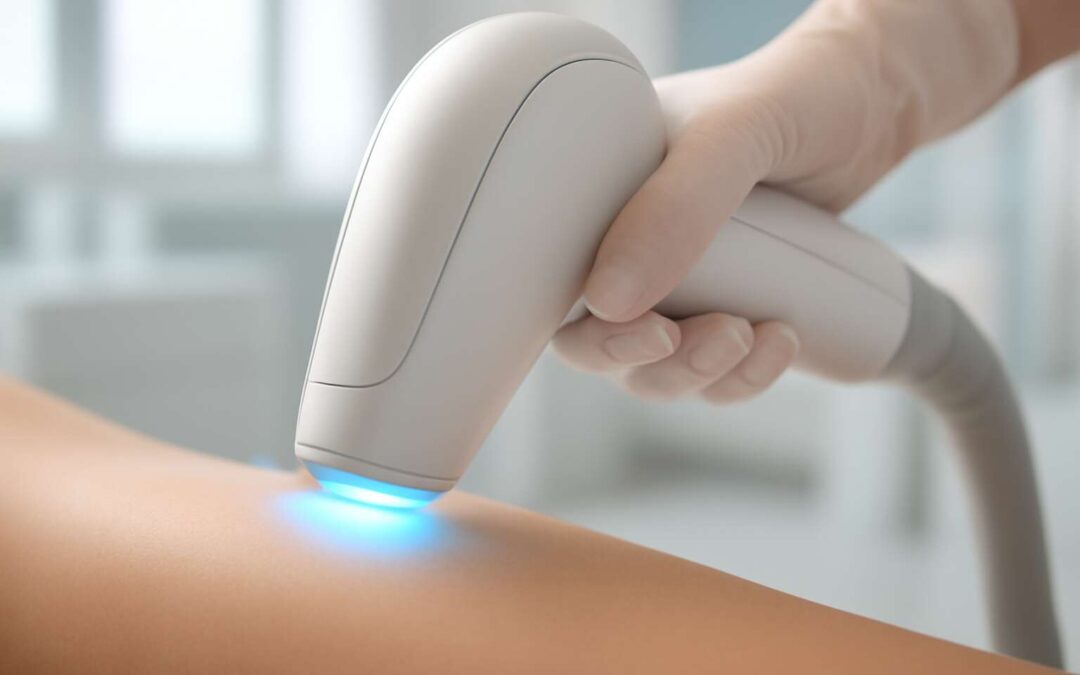
Understanding Laser Hair Removal
How laser hair removal works
South Africa’s sun-kissed aesthetic meets science in a rising ritual—more clients are embracing laser hair removal as a long-term investment in confidence. A recent survey shows a growing appetite for smooth skin, with many reporting lasting results after just a few sessions. Readers often ask, does laser hair removal work, and I find the answer hinges on skin type, hair colour, and realistic timelines!
- Energy targets melanin in the hair follicle, heating and disabling growth
- Works best on coarse, dark hairs; lighter hair may require more sessions
- Multiple sessions are usually necessary for optimal results
In practice, sessions are tailored, and I’ve watched technicians calibrate wavelength to skin tone, aiming for comfort and precision. Aftercare—sun protection and patience—helps the results endure, turning routine grooming into a quiet, almost cinematic confidence.
Key technologies and wavelengths
Across South Africa, clinics buzz with the confidence of smoother skin; nearly three in four clients report lasting results after a handful of sessions. The question remains: does laser hair removal work for different skin tones and hair colours? The answer is nuanced, a blend of wavelength precision, hair colour, and patient expectations.
Key technologies hinge on selective photothermolysis, aggressively targeting pigment while sparing surrounding tissue. In practice, wavelengths are matched to the job: think diode for breadth, Alexandrite for lighter tones, and Nd:YAG for higher melanin risk.
- Diode lasers: roughly 800–810 nm
- Alexandrite: 755 nm
- Nd:YAG: 1064 nm
In calibration rooms, technicians tune the device to your skin tone, balancing comfort with precision. Aftercare—sun protection and patience—helps the results endure, turning routine grooming into a quiet, cinematic confidence.
Hair growth cycle and timing
In the theatre of smooth skin, timing is its own form of artistry. Does laser hair removal work? It works best when you honor the hair’s growth cycle—only actively growing follicles respond, which is why sessions unfold across weeks.
Understanding this cycle helps set expectations without the drama of guessing. The three phases matter:
- Anagen (growth) – the window when the laser does its strongest work.
- Catagen (transition) – a brief cooldown before the next burst of growth.
- Telogen (resting) – new growth begins as the cycle restarts.
Across South Africa’s diverse skin tones and climates, timing paired with patient rhythm is the quiet engine of lasting smoothness, often visible after three to six sessions.
Safety, side effects, and aftercare
Safety is the main act in the theatre of smooth skin. Across South Africa, clinics uphold rigorous standards that honor every skin tone and climate; does laser hair removal work? It does—when safety and skilled hands guide the process, as one clinician often says, ‘safety first, always,’ turning ambition into a calm, predictable outcome.
Laser safety features—cooling systems, real-time skin feedback, and trained operators—minimize risk. A patch test and personalized consult help align treatment with your skin type and sensitivity, reducing surprises in the weeks between sessions.
- Temporary redness and mild swelling
- Transient pigment changes, usually fading in days to weeks
- Rare blistering or scarring when contraindications are ignored
Aftercare stays in the hands of your clinician, focusing on gentle care and sensible sun protection as the skin settles into its new rhythm.
Suitability and candidate considerations
In a sun-kissed land where summer never ends, the question lingers: does laser hair removal work for you? For many South Africans, the journey toward lasting smoothness starts with a careful fit and trusted hands.
Understanding suitability means looking beyond aesthetics and toward skin type, hair texture, and realistic expectations. Consider these points in your consultation:
- Skin tone and hair color compatibility
- Medical history and current medications
- Maintenance needs and lifestyle expectations
With a trusted clinician, we reveal who stands to benefit most, map out a plan that respects your skin’s rhythm, and align it with the South African sun—turning ambition into a calm, confident outcome.
Factors Affecting Results
Skin tone, hair color, and contrast
Light and shade dance on the skin as if auditioning for a stage play. Skin tone, hair color, and contrast sketch the map of what the laser can touch. In short, does laser hair removal work across skin tones and hair colors? The answer hides in nuance: lighter hairs with strong contrast respond best, while darker tones sometimes require adjustments in wavelength and power to avoid pigment shifts. In South Africa’s varied landscape, results hinge on this quiet math of color and follicle.
- Hair color versus skin tone contrast
- Hair thickness and density
- Body area and pigment safety considerations
Clinicians tailor calibration, crediting pigment density and hair thickness as quiet arbiters of success. In South Africa, where tones and textures are wonderfully varied, the path to smoother skin bends with care, not bravado.
Treatment area and hair density
“Consistency wins,” a Cape Town clinician often reminds me. In SA clinics, results aren’t a binary yes or no but a careful calculation of treatment area and hair density; does laser hair removal work across varied bodies? Large zones like the legs and back require more energy and sessions, while smaller patches can respond sooner. Clinicians tune plans to how densely hair grows and how the skin tolerates the energy, with a patient, measured approach.
- Treatment area size influences energy distribution and optimal session count.
- Hair density in the target region guides how aggressively the laser is set.
- Hair thickness and growth pattern affect speed of visible reduction.
- Regional variations in skin and follicle depth shape safety margins.
Ultimately, treatment area and density aren’t flashy; they are the quiet math behind visible change. In South Africa, clinics read each patch’s density and tailor energy to protect skin while pursuing smooth results.
Number of sessions and scheduling
Scheduling is the quiet driver of results. The number of sessions isn’t fixed; it’s a calculus of growth cycles and tolerance. Does laser hair removal work? In SA clinics, the balance is a careful reading of density across patches, with energy accumulating as skin quietly heals.
Here are key scheduling factors that shape outcomes.
- Seasonal timing can impact comfort and recovery windows
- Hair growth cycles determine how quickly you see changes
- Session cadence and energy tuning rely on skin tolerance
Clinicians craft plans around each patient, aligning expectations with the patchwork of density and growth rhythm. A long view matters—the body reveals its answer over several cycles, not in a single visit.
Maintenance and long-term expectations
“The body reveals its answer in cycles,” a Cape Town clinician often notes. Does laser hair removal work? In South Africa, the journey unfolds over time, not in a single session, as energy and tissue quietly converse with recovery.
Maintenance rests on a longer arc: results can persist with occasional touch-ups as hormones, sun exposure, and aging reshape growth patterns. Expect gradual refinement rather than instant conquest, and align this with a patient’s personal rhythm.
- Hormonal shifts that nudge hair cycles
- Sun exposure and skincare routines that influence skin tolerance
- Commitment to a planned follow-up for refreshers when growth resumes
In the end, patience and a clear alignment with your body’s tempo define the lasting impression.
Laser Types, Treatments, and Alternatives
Diode, Alexandrite, and Nd:YAG: what to know
In the glow of South Africa’s clinic lights, the question still sparkles: does laser hair removal work in practice? Three trusted rays chart distinct paths to smooth skin, each with its own rhythm, promise, and pace of results.
- Diode: versatile and effective across a wide range of skin tones, delivering swift treatment times and steady progress.
- Alexandrite: powerful for lighter skin tones and coarser hair, often delivering brisk sessions with noticeable early results.
- Nd:YAG: deeper penetration and safer for darker or more tanned skin, handling higher-contrast cases with quiet confidence.
Treatments hinge on energy, cooling, and cadence as much as the chosen type. Alternatives exist within the broader grooming landscape, including non-laser options, which may be considered in the tapestry of care as clinics tailor journeys across South Africa.
IPL vs laser: differences in results
Results in SA clinics don’t rely on folklore—does laser hair removal work? In practice, success rides on precise energy delivery, clever cooling, and cadence more than marketing swagger. Picture a measured beam that respects your skin’s boundaries and your maintenance rhythm.
- IPL vs laser: IPL uses broad-spectrum light, typically gentler but less targeted, with variable results.
- Laser delivers wavelength-specific energy aimed at follicles, often faster and more consistent for suitable skin tones.
- Outcome depends on your skin tone, hair color, and the clinician’s skill more than the brand name.
In the broader grooming landscape, clinics tailor journeys across South Africa, weighing speed against safety and comfort while balancing expectations with visible changes.
At-home vs clinic treatments: what works
Laser types whisper different energies into the skin, each tuned to a follicle. In practice, the choice matters more for precise targeting, effective cooling, and session cadence than glossy marketing. does laser hair removal work? The truth rests with the operator’s skill and how respectfully the energy is delivered.
Treatments diverge by setting: in-clinic lasers deliver higher, more focused energy with advanced cooling, often yielding faster path to noticeable changes. At-home devices are gentler, ideal for maintenance and convenience, but rarely a full replacement for professional sessions.
- At-home devices offer daily convenience and privacy; results accumulate slowly.
- Clinic treatments provide stronger energy, faster outcomes, and tailored safety protocols.
Alternatives include waxing, sugaring, shaving, or depilatories—options that sit alongside laser in South Africa grooming routines. The decision blends budget, risk tolerance, and personal comfort, shaping a rhythm that will outlast the first few sessions.
Choosing a provider: credentials and safety
In the dim theatre of photons, diode, Alexandrite, and Nd:YAG lasers cast precise sigils, each tuned to a follicle’s whisper. The question is does laser hair removal work, and the answer rests with wavelength meeting skin, energy meeting tolerance, and the operator’s rhythm guiding the outcome.
Treatments unfold as a choice of setting and cadence. In-clinic sessions unleash higher energy with modern cooling, chasing faster visibility; at-home devices stay gentler, ideal for maintenance.
- In-clinic lasers: higher energy, sophisticated cooling, trained operators
- At-home devices: lower energy, convenience, gradual results
Alternatives sit beside the needle’s flash: waxing, sugaring, shaving, or depilatories. In South Africa, these steps weave with budget and comfort, shaping a routine that endures beyond the first few visits.
Choosing a provider means scrutinising credentials and safety. Look for HPCSA-registered practitioners and brand-certified training, clean facilities, and strict aftercare protocols. I’ve watched meticulous care turn questions into confident, lasting results.
Costs, Access, and FAQs
Price ranges, packages, and financing
Across South Africa’s clinics, one question threads through the corridor: does laser hair removal work? Costs vary with area size and tech, but sessions sit between R600 and R2,000. A six-to-eight-session package begins long-term savings, like a candle flicker in a cathedral.
Access stretches from glossy urban hubs to quieter towns. In cities, clinics cluster like constellations; in rural pockets, planning and travel become part of the ritual. Financing options—payment plans, bundled packages, and sometimes partnerships with medical aid—tilt the scales toward consistent treatment rather than a single visit.
- Per-session pricing commonly ranges from several hundred to a few thousand rand, depending on area and technology.
- Packages for multiple sessions offer the best per-session value, often with a built-in maintenance window.
- Financing and payment plans may be available through clinics or lending partners.
FAQs: What drives price variation? Is financing available?
Insurance coverage and myths
Costs in South Africa sit as a mosaic: prices range from a few hundred to several thousand rand, depending on the area and the technology. A six- to eight-session package unlocks value, turning costs into savings. So does laser hair removal work? For many, the answer becomes clear when consistency and the right device align, delivering progress over time.
Access stretches from urban hubs to quieter towns; in cities clinics cluster like constellations, while rural pockets require planning and travel. Financing options—payment plans, bundles, and partnerships with medical aid—tilt the scales toward ongoing treatment rather than a visit.
FAQs: does laser hair removal work on different skin tones and hair types? In practice, modern standards and devices treat a wide range, though results vary. Insurance coverage generally doesn’t extend to elective cosmetic procedures, and myths persist about instant, permanent outcomes; the truth favors maintenance packages and informed expectations.
Clinic accessibility: finding a reputable provider
Costs in SA are a mosaic: urban clinics often price higher; rural spots offer relief, but travel adds. A six- to eight-session package unlocks real savings, turning sticker shock into steady progress. Does laser hair removal work? With consistency and the right device, results tend to stack up over time.
Access stretches from bustling city pockets to quieter towns; in cities clinics cluster like constellations, while rural pockets require planning and travel. Financing options—payment plans, bundles, and medical-aid partnerships—tilt the scales toward ongoing treatment rather than a one-off visit.
- Proximity and travel time
- Transparent pricing and packages
- Flexible financing options
FAQs: Will it work on different skin tones and hair types? Modern standards and devices cover a wide range, though results vary. Insurance generally doesn’t cover elective cosmetic procedures, and myths about instant permanence persist; the truth is maintenance packages and informed expectations.
Common questions and myths debunked
Pricing in South Africa is a mosaic, but six to eight sessions unlock real savings and steady progress. The question—does laser hair removal work?—is best answered with consistency and the right device; results tend to stack up over time, turning monthly upkeep into a distant memory.
Access stretches from bustling city pockets to quieter towns. Urban clinics cluster like constellations; rural spots demand planning and travel. Packages and financing—payment plans, bundles, and medical-aid partnerships—tilt the scales toward ongoing treatment rather than a one-off visit.
- Proximity and travel time
- Transparent pricing and packages
- Flexible financing options
FAQs and myths debunked: The touchstone questions that linger in reception lounges beyond closing time get a clear answer here. The process is generally well tolerated, with temporary redness and a return to daily life soon after; results vary by hair type and device, but steady treatment yields steady progress.
- Myth: results are instant and permanent after one session. Truth: gradual reduction with maintenance.
- Myth: all devices are created equal for every skin tone. Truth: device selection and settings matter.